Excessive salt sees 1.6m heart-related deaths yearly
Scientists based the finding on an analysis of 205 surveys of sodium intake in countries representing nearly three-quarters of the world’s adult population.
Effects of sodium on blood pressure and cardiovascular disease risk were determined in a separate study of pooled trial data.
The average level of sodium consumption in 2010 was found to be 3.95g per day — nearly double the 2g recommended by the World Health Organisation.
In total, the researchers calculated that 1.65m deaths from cardiovascular disease occurred each year as a result of consuming more than the WHO limit.
Lead scientist Dr Dariush Mozaffarian, from Tufts University in the US, said: “High sodium intake is known to increase blood pressure, a major risk factor for cardiovascular diseases including heart disease and stroke.
“These 1.65m deaths represent nearly one in 10 of all deaths from cardiovascular causes worldwide. No world region and few countries were spared.”
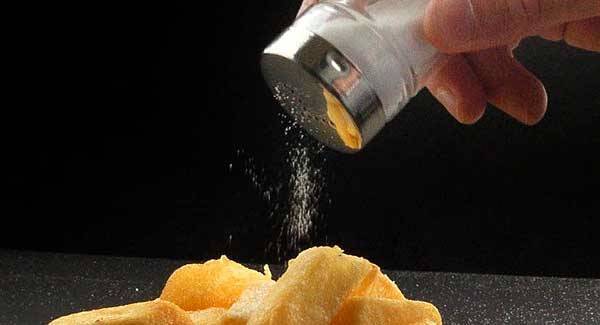
Salt, used in cooking, sprinkled on food, or incorporated into food products, is far and away the biggest dietary source of sodium.
Collaborative research, in the New England Journal of Medicine, showed sodium intake around the world ranged from 2.18g to 5.51g per day.
The journal said taking too little salt can also be dangerous to our health.
NUI Galway professor of translational medicine Martin O’Donnell said below 5% of the population adhere to the lower recommended consumption made by the WHO.
Mr O’Donnell — who participated in the Prospective Urban and Rural Epidemiological (Pure) study — said: “Low sodium intake does reduce blood pressure modestly, compared to moderate (or average) intake, but low sodium intake also has other effects, including elevations of certain hormones that are associated with an increase in risk of death and cardiovascular diseases.
“In the Pure study, we found the lowest risk of death and cardiovascular events in those who consumed moderate amounts of sodium intake (3g to 6g per day), with an increased risk above and below that range,” he said.