Five-year training sector plan unveiled
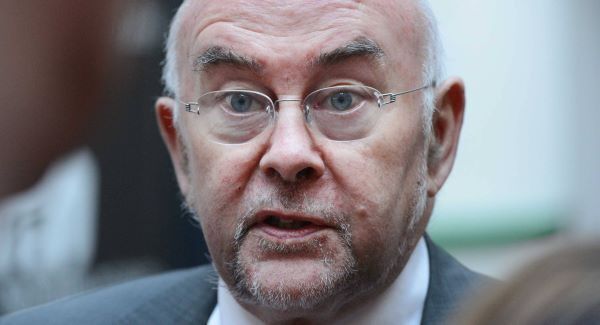
The provision of courses to match skills needs of the economy are among the top priorities in a five-year strategy for the €800m-a-year further education and training sector.

Five-year training sector plan unveiled

The landmark strategy should bring formal structures to a sector with more than 200,000 learners for the first time. Launching the strategy developed by Solas, the authority set up to oversee the sector, Education Minister Ruairi Quinn said further education and training (FET) has a vital role to play in ensuring people are able to find work and be paid for it.

“As our economy recovers, we need to ensure that people, particularly the unemployed, have the ‘job- ready’ skills needed to compete for an increasing number of new jobs coming on stream,” said Mr Quinn.


As well as skills needed for workers and economic development, other key goals include supporting inclusion of people with all abilities, meeting high quality standards, and planning and funding of FET provision based on the evidence of social and economic impact.

A new study of existing provision carried out for Solas by the Economic and Social Research Institute found that a substantial proportion of existing courses do not lead to any formal accreditation.

It found extremely poor levels of data tracking FET participants from enrolment to completion and further progression, making it more difficult to identify and reform ineffective areas of the sector.

FET covers a range of provision, from community training and adult education, through to further education and post-Leaving Certificate courses. The 16 education and training boards are responsible for a significant portion of those services, and started taking charge of training previously run by Fás since the start of this year, under the funding and policy watch of Solas.

Although no short-term significant changes are planned under the strategy, the scale and type of provision is likely to change after different types of courses are reviewed. It is likely to result in more uniform provision regionally, as the ESRI highlighted the historical absence of any role for national policy in deciding levels or distribution of FET programmes.

The National Adult Literacy Agency welcomed a focus on literacy and numeracy, but said it hopes priority is given to people with junior cycle education or less as people with lower attainment take part less in FET in most countries.

“This means that adults who have benefited least from the education system to date risk being trapped in a situation in which they rarely benefit from adult learning, and their skills remain weak or deteriorate over time” said NALA director Inez Bailey. “Helping these adults break this vicious cycle is crucial.”

x

More in this section

Lunchtime News

Newsletter

Keep up with stories of the day with our lunchtime news wrap and important breaking news alerts.

Cookie Policy Privacy Policy Brand Safety FAQ Help Contact Us Terms and Conditions

© Examiner Echo Group Limited