Gardaí suffering frequent vicious assaults
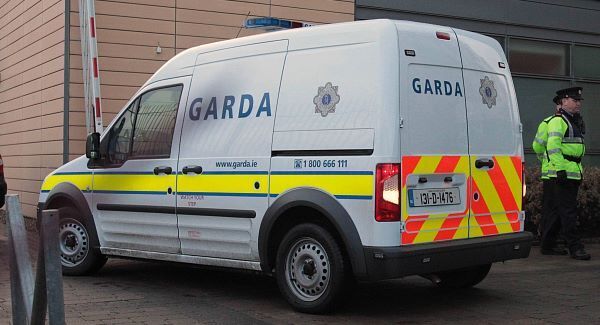
The Garda Representative Association says the public needs to see how increasingly dangerous the job has become for rank-and-file members of the force.
In 2010, then-GRA president Damien McCarthy launched a billboard campaign which graphically highlighted some of the injuries his members had received during the course of duty.
Garda McCarthy, who is still a high-ranking figure in the GRA, said the situation has since become even worse.
In 2011, there were 163 serious assaults on gardaí. The following year, this figure rose to 174 and last year reached 225.
“These figures do not include less serious assaults which might lead to a member being off work for one or two days,” said Garda McCarthy. “We want all assaults published and their nature defined.
“The assaults are becoming more and more vicious. There’s a change in behaviour out there. There’s no respect any more for a uniformed garda out on the street, whether it’s a man or a woman.
“Spitting in the face of a garda is now an everyday occurrence. So too is ramming Garda patrol cars, and our members in them are lucky to escape with their lives.”
The GRA said that the number of serious assaults would be far higher if it were not for gardaí being armed with pepper spray, which is proving an effective tool in subduing violent people.
Discussion at the GRA’s 36th annual conference — which gets under way in Killarney today — will largely focus on the deteriorating relations between frontline gardaí and the Garda watchdog, the Garda Siochána Ombudsman Commission.
The GRA’s 10,500 members were outraged by a recent GSOC decision to pursue internal disciplinary proceedings against two Cork City-based gardaí who used pepper spray to subdue a very violent youth.
GSOC decided on this action even after the pair had been cleared of any wrongdoing by a District Court.
The judge in the case said that the two gardaí had showed extraordinary restraint in dealing with the youth, whose own mother described him as “an absolute gurrier of the highest order”.
There are five motions on the conference agenda relating to GSOC, and one in particular focuses on the negative impact its investigations are having on garda effectiveness and morale.
GRA president John Parker said it was time an independent body was created to ensure GSOC carried out its investigations properly.
He said some of his members were of the opinion that, on occasions, GSOC prejudged complaints against gardaí and, “on other occasions, carried out sloppy investigation work”.
Garda Parker added that GSOC should also ensure members of the public who make deliberately false complaints against gardaí are prosecuted.
“It’s frustrating for our members, who are put under fierce stress during an investigation, to then see nobody prosecuted for making unfounded allegations against them,” said Garda Parker. “We want more of these cases to go before the courts to send out a message that it’s unacceptable to make a false complaint.”