Backers sought for €26m National Diaspora Centre
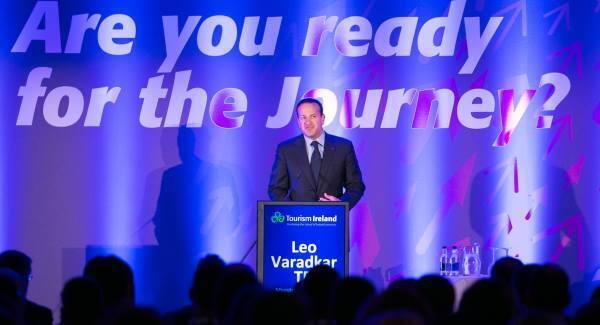
As the Government cannot afford to finance the project, Fáilte Ireland will advertise in the coming weeks for potential partners to develop and operate the centre.
“Ireland has a very large overseas diaspora compared to the population of the country, but we do not have a National Diaspora Centre,” said Tourism Minister Leo Varadkar.
“A Fáilte Ireland study has concluded that a centre could be viable and self-financing on an operational basis, and would be an opportunity to add to Ireland’s tourism offering. The State’s finances remain extremely constrained, and we are not in a position to develop the centre from our own resources. But that doesn’t mean we shouldn’t try to make it happen. That is why we have decided to progress this project through a partnership process.”
A Fáilte Ireland spokeswoman said: “For a number of years now, there has been growing recognition of the importance of the Irish diaspora in the cultural, political and economic development of Ireland. This recognition has come at a period in which cultural tourism is growing rapidly worldwide and is of particular significance.”
The Department of Tourism said a Fáilte Ireland study in 2013 concluded that a centre “has the potential to be a major tourism attraction, with particularly strong appeal for the Irish diaspora. However, it would also have to be of interest to people living in Ireland as well, and to overseas visitors who do not have an Irish heritage, in order to be viable.”
It said the advertisement “will make clear the lack of public funds currently available means that the project would most likely be for development in the medium term. However, the process should clarify which are the best options should funds become available and the likely extent of Exchequer funds required,” it said. “Groups making an expression of interest will be asked to indicate if they would be able to meet some or all of the capital costs.”
The Fáilte Ireland feasibility study found the capital cost of a centre could range from around €5m up to €26m depending on location, scale, specification and whether it is a new-build or existing building.
“Use of an existing building and sponsorship would reduce the capital funding required appreciably,” the department said.


CONNECT WITH US TODAY



Be the first to know the latest news and updates