Fears gangs to produce counterfeit cigarettes in Ireland
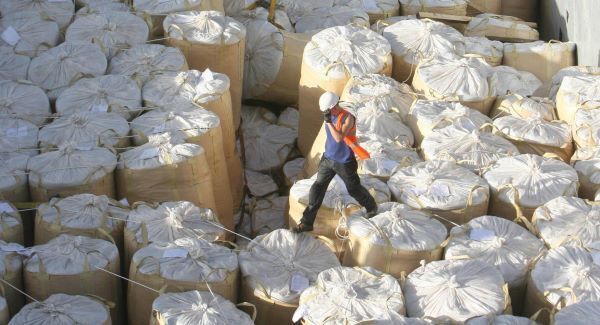
Retailers fighting tobacco and fuel smuggling are concerned that gangs here are setting up manufacturing plants to produce illicit cigarettes.

Fears gangs to produce counterfeit cigarettes in Ireland

Figures show that loose tobacco accounted for a greater share of all illicit cigarettes seized in 2013 compared to 2012.

Revenue figures show that 4,453kg of loose tobacco was confiscated at ports and airports in 2013, along with 41m cigarettes. This compares to 5,277kgs of tobacco in 2012 and 96m cigarettes.

“It’s unusual to have such high levels of loose tobacco being seized,” said Joe Barrett, director of Applegreen.

“There are concerns here that manufacturing units are being set up to produce cigarettes.”

He said that there had been no seizures so far of any such equipment. He claimed recent health legislation introducing plain packaging for cigarette boxes made it easier for gangs to produce them.

Mr Barrett was speaking at the launch of StopSmuggling.ie, a website set up by petrol station chains Applegreen and Topaz in conjunction with Retailers Against Smuggling.

The campaign estimates that the Government is losing around €400m in taxes as a result of cigarette and fuel smuggling. Mr Barrett said that when losses to retailers and costs to local authorities from cleaning up laundering plants are added in the “real figure is well north of €500m”.

He said that 30% of shop turnover is related to the sale of cigarettes and claimed that government health and tax policies were driving people away from legitimate sales to the illicit market.

Mr Barrett estimated that 20% of the market was illicit.

A Revenue spokeswoman said that research conducted in 2012 suggested that the figure was 13%. She said tobacco industry claims of higher estimates “need to be viewed in terms of their interest in minimising tax increases while imposing significant price increases of their own”.

Paul Condon, marketing director of Topaz, said fuel laundering was “more profitable” than the drug trade and that the industry roughly estimated that between 11% and 15% of the diesel market is laundered.

He said there had been cases of criminals using the brands of legitimate traders on their lorries.

He said the best way to get rid of the problem is not to have the cheap dyed agricultural diesel at all and give farmers a rebate on standard diesel. He said there was a 45c difference per litre between agricultural and standard diesel.

Revenue figures show that 33 laundries have been detected since 2010, including nine in 2013 and 11 in 2012.

A spokeswoman said that 100 filling stations throughout the State were closed for licensing conditions in the past two years.

More in this section

Lunchtime News

Newsletter

Keep up with stories of the day with our lunchtime news wrap and important breaking news alerts.

Cookie Policy Privacy Policy Brand Safety FAQ Help Contact Us Terms and Conditions

© Examiner Echo Group Limited