Fears for birds of prey after poisonings rise
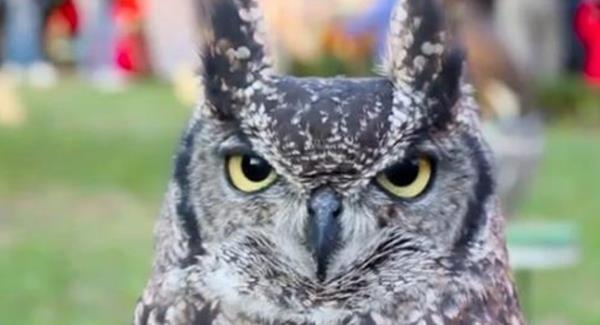
Birds such as Kestrels, Long-eared owls, Barnowls, Red Kites, and Buzzards are all now being monitored by Birdwatch Ireland for signs of poisoning.
It is thought the birds are victims of ‘second generation’ poisoning after eating rats and mice as part of their daily diet.
The rodents are being poisoned in farmyards and barns in a bid to stop their numbers from spiralling out of control.
A survey of the protected Barnowl showed that 80% of the species had traces of the four main toxins used to kill rats in their systems.
The Campaign for Responsible Rodenticide Use (CRRU) has now been set up to advise people on how to properly set down poisons.
John Lusby, Raptor conservation officer with BirdWatch Ireland, said exposure to poison within birds is becoming more common.
“Second-generation anticoagulant rodenticides are highly toxic and can accumulate and persist within the food chain,” he said.
“The problem occurs when a predator, such as a bird of prey, catches a rat which has previously eaten poison bait or has fed on a rat carcass which has been poisoned, and the toxins then build up within their systems.”
And the worrying factor is that Ireland’s bird of prey population is most in danger of being poisoned because the country has such a small mammal population that rats and mice top the list.
The CRRU has teamed up with a number of relevant bodies including professional pest control industries, user groups, conservation organisations and government bodies, including the Department of Agriculture and National Parks and Wildlife Service.
The group wants to inform the public that there are many steps which can be taken to control rodents before opting for poisons.
They include removing food sources, limiting access to buildings, or using methods such as trapping.
Éanna Ní Lamhna, the communications officer of CRRU Ireland, said training courses will be offered to help people control rodents in a safer way. She said: “Much remains to be done in the area of education and awareness-raising of the impact rodenticides have on non-target wildlife species.
“Poisons that persist up through the food chain have not all been replaced with poisons that affect the target species only and then break down. The possibility that rodents in certain places may be acquiring immunity to some rodenticides can also be investigated.”

CONNECT WITH US TODAY



Be the first to know the latest news and updates