Bankruptcy period cut from 12 to three years
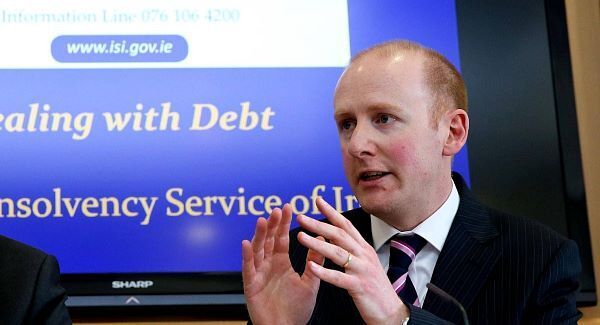
The new regime will reduce the period of bankruptcy from 12 years to three years in an effort to make it fit for purpose and deal with cases at the extreme end of the insolvency scale.
The Government announced in 2011 that it planned to completely overhaul personal insolvency legislation. The most common type of debt resolution will be the new personal insolvency arrangements.
Any debtor looking to petition the high court to enter bankruptcy will first have to apply for a personal insolvency arrangement. Only when creditors refuse to agree a personal insolvency arrangement will that person be able to opt for the bankruptcy process.
At the end of the three-year bankruptcy period, all debts will be discharged.
There has been a reluctance by the banks to deal with distressed customers, which may involve a write-down of debts. Under the old legislative framework, there was a reluctance to enter bankruptcy proceedings because of the length of time it took.
“The new [bankruptcy] legislation is designed to remove the incentive for banks to kick the can down the road,” said the head of the Insolvency Service of Ireland, Lorcan O’Connor.
“This will not create any new debts that are not already there.”
There is no longer any obligation for any person seeking to enter bankruptcy to advertise proceedings in a national newspaper. It is now sufficient to publish the details on the website of the Insolvency Service of Ireland. This will reduce the overall cost of bankruptcy from €1,350 to €800.
Other changes to the legislation include the official assignees in a bankruptcy case will in future come under the responsibility of the ISI rather than the High Court.
“We now have a viable bankruptcy solution for debtors in financial difficulty,” said Christopher Lehane, official assignee in bankruptcy.
“With the bankruptcy period now reduced to three years, debtors are more likely to engage with a process which shields them from creditors and leaves them debt free after three years. I am satisfied that there are adequate safeguards in the reform measures that only those who cannot pay can avail of bankruptcy.”
“We have increased our bankruptcy staff numbers four-fold, recruited experts from the insolvency sector, and are acquiring a specialist insolvency IT system to assist us manage a high volume of cases. We expect a significant rise in bankruptcies, particularly by debtors who make up 85% of applicants in the UK.”
A. Any person who is insolvent and has debts in excess of €20,000.
Bankruptcy is intended to deal with distressed borrowers who are unable to be put on a sustainable repayment schedule through any of the other schemes. For example there is the Central Bank’s mortgage arrears resolution process (MARP) to deal with mortgage debt. There are also personal insolvency arrangements (PIA), which deals with both secured and unsecured debt. For both a PIA and a bankruptcy procedure, the majority of creditors have to provide consent for the arrangement. In the case of a bankruptcy, approval is needed from 65% of creditors.
The ISI estimates that there will be roughly 3,000-4,000 petitions for bankruptcy over the next 12 months.
A. A person seeking an application for a Bankruptcy Order is filed in the Office of the Examiner of the High Court. Once bankruptcy is granted, an official assignee is appointed. The official assignee must act in the best interests of the creditors.
Consequently, all assets are transferred to the official assignee, who will then dispose of these assets for the highest possible price.
The person petitioning for bankruptcy must make a full declaration of all assets. Failure to declare all assets is a criminal offence. The official assignee will estimate what a reasonable standard of living is for the person and his/her family. Any income earned above what is considered a reasonable standard of living can be apportioned to creditors for a period of up to five years.
However, once the three-year period is over, then all debts are discharged. Creditors do not have a lien on any future assets earnings after this period.
A. Similar to the MARP and PIA processes, the emphasis is keeping people in the family home. If a person seeking bankruptcy shares ownership of the family home with a spouse or civil partner, the official assignee has a number of options.
If the house is in positive equity, the official assignee can apply to the court to sell the house. The spouse or civil partner will be given first priority in terms of buying out the positive equity and keeping ownership of the house. If the house is in negative equity, there is usually no incentive to sell. If mortgage repayments are similar to what the rent payments would be under a reasonable standard of living, it is envisaged a deal will be struck with the bank to keep the family in the home. The only assets that an official assignee is not automatically granted full control of in the event of a bankruptcy are pension assets.
A. There is a permanent record of a bankruptcy once it is granted. Any attempt to apply for credit during the period of the bankruptcy and not disclosing information about the bankruptcy will be considered a criminal offence. Once the three-year period is up, all debts are discharged. However, there will obviously be implications for that person’s future credit ratings. It is an offence for a bankrupt person to act in various capacities in relation to a company without the consent of the court.
As a bankrupt person, you are not entitled to hold elected representative office, in local authorities, Dáil or Seanad. Certain professions may be governed by bodies where members’ personal finances are subject to regulatory requirements.
A. There is a huge amount of debt in the system, with some people under unbearable strain.
The new bankruptcy laws are aimed at providing relief for this cohort, while still protecting the interests of creditors.

CONNECT WITH US TODAY



Be the first to know the latest news and updates