Missing children helpline: 60 calls a month
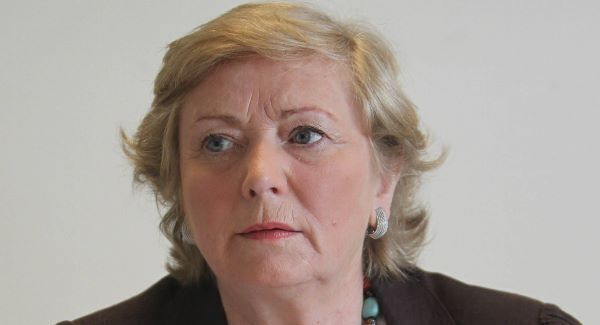
The 116 000 Missing Children Hotline is operated by the ISPCC and was officially launched in June by Children’s Minister Frances Fitzgerald.
However, it had begun receiving calls from the start of the year, and the ISPCC’s east regional manager, Rhona McGinn, said between Jan 1 last and the end of September, the phoneline had received 518 calls.
“The majority of calls have been from adults looking for information,” said Ms McGinn.
“We have also received calls from adults who are parents of children who are missing. The other most frequent type of call we are receiving is from young people calling, who have run away themselves or are considering running away.”
Under EU telecoms rules agreed in 2009, the 116 000 number — which is not an emergency number — is reserved in all EU states for a missing children hotline.
The Irish hotline was initiated in 2011 when Ms Fitzgerald established a project team to oversee its setup.
The funding came from the minister’s department and the European Commission.
Ms McGinn said: “With a completely new service, the likes of which has never before existed, we could only make a prediction about who might call and why based on trends in other countries.”
The ISPCC plans to raise public awareness of the phoneline in the coming weeks when it launches a large-scale campaign outlining the scope of the service and an accompanying YouTube clip.
Separately, the ISPCC has said its Leanbh service has seen a reduction in child begging.
The Criminal Justice (Public Order) Act 2011 resulted in a huge crackdown on all forms of begging and within months of it being introduced more than two years ago almost 200 arrests were made.
However, Ms McGinn said: “Over the last number of years we have seen a massive decline in these numbers.”
Figures show that between the beginning of January this year and the end of October there had been 95 sightings of children begging and 49 calls to the Leanbh out-of-hours on-call number.
“We feel that this was attributed in no small part to the work of Leanbh, who have worked in co-operation with gardaí and families of children who beg,” said Ms McGinn.
“However we do find that children are still begging in Dublin, especially at this time of year, coming up to Christmas. We are finding that this is very much a recidivist activity and as per previous years, in 2013 we are working with families to support them to find ways out of a begging lifestyle which we consider very unsafe for children.”
*

CONNECT WITH US TODAY



Be the first to know the latest news and updates