No faith staffing gaps will be filled: Maternity expert
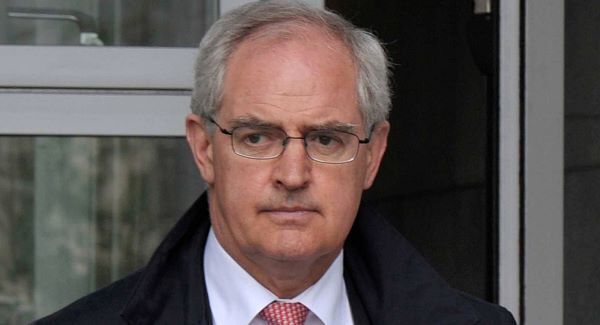
Peter Boylan, clinical director of the National Maternity Hospital in Holles St, made the claim after the publication of an extensive independent investigation into the scandal.
The Health Information Quality Authority (Hiqa) document has raised serious questions over Ms Halappanavar’s care, including the finding that medics missed 13 chances to save her life in the days before she died.
At a national level, Hiqa said it cannot stand over safety standards in Ireland’s 19 maternity services due to a failure to make previous called-for improvements, lack of clear pathways for critically ill patients and serious staff shortages.
However, Dr Boylan does not believe assurances from the HSE and Health Minister James Reilly that chronic issues will be actively addressed.
“It [the Hiqa report] is in fact an appalling indictment of State failures over many, many years to provide a safe infrastructure in terms of staffing, which the report draws particular reference to but has been singularly omitted from some of the comments by the minister,” Dr Boylan told RTÉ Radio.
“If you take the minimum recommended number of consultant obstetricians for the number of births, not including gynaecology, there should be at least 200 in the State.
“There is in fact 120. So we are far behind.”
Citing concerns in his own hospital, he said the facility has “eight consultants” when international evidence states it should have 50.
While he noted that the HSE and Dr Reilly accepted that change was needed, Dr Boylan said he would only believe it when it happens. “The minister should be asked is he going to increase the number of consultants and staff in maternity hospitals as a consequence of this HIQA report,” said Dr Boylan.
“If he does that, he will make a singular good contribution to the care of women.”
Asked if he believes this will happen, Dr Boylan replied: “No. You can never be satisfied if the HSE are asked to do something that they’ll actually do it.”
Reacting to Dr Boylan’s comments, the HSE’s director of quality and patient safety, Philip Crowley, admitted “our services in general are suffering significant challenges”. He said there is scope for “very targeted” investment despite the ongoing recruitment ban, accepting there is “very clear analysis staffing doesn’t reach demand”.
In the Dáil, Dr Reilly said he does not believe staffing levels explain chronic failures in Ms Halappanavar’s care. He said extra consultants and midwives may be needed, but he will not take such measures until after the Hiqa-requested maternity services review.
Health Minister James Reilly has committed to the following immediate changes (Hiqa’s 15 local and 19 national recommendations are available at www.irishexaminer.com):
* A ‘guarantee’ safe patient care will not be hit by further budget cuts;
* Hospital chief executives to be held accountable for mistakes;
* Assurances all of HIQA’s Savita related recommendations will be implemented;
* The launching of a maternal services review and a strategic plan for maternity services;
* Ordering hospitals to create and follow early warning score guidelines on maternal care, sepsis management, and clinical hand-over.