Agreement can ‘rewrite the rules’ on tax
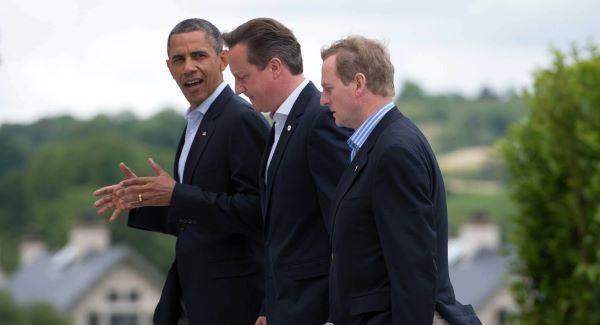
The Lough Erne Declaration — signed by the UK, US, Germany, France, Italy, Canada, Japan, and Russia — vows to “fight the scourge of tax evasion” by ensuring automatic exchange of tax information and changing the rules to stop multinational companies shifting profits across borders to avoid paying their fair share.
As well as reforms to tax laws, the G8 countries committed themselves to “make a real difference” by:
*Tackling corruption by requiring extractive industries like mining, oil, and gas to report payments to all governments — and requiring governments to publish their income from such firms;
*Ensuring that minerals are sourced legitimately, and not plundered from conflict zones;
*Requiring land transactions to be transparent and to respect local communities’ property rights;
*Rolling back protectionism and agreeing trade deals to boost growth and jobs;
*Cutting wasteful bureaucracy at borders, particularly in the developing world;
*Publishing official information about laws, budgets and spending to allow citizens to hold them to account.
Mr Cameron said the declaration would help ensure “proper tax justice”.
“We agreed a Lough Erne declaration that has the potential to rewrite the rules on tax and transparency for the benefit of countries right across the world, including the poorest countries in the world.
“We have commissioned a new international mechanism that will identify where multinational companies are earning their profits and paying their taxes so we can track and expose those who aren’t paying their fair share.”
However, the 10-point document falls short of the demands of anti-poverty campaigners, who want the developing world included in the new arrangements from the start and have called for tax information to be made available to all on public registers.
It says only that dev-eloping countries “should have the information and capacity to collect the taxes owed them”, rather than guaranteeing them automatic access to the information.
And it says only that “tax collectors and law enforcers” should have access to information about the ultimate owners of companies, leaving it to individual G8 countries to decide whether to make the information public.
The White House said it would leave the decision to individual US states, while the UK chancellor George Osborne said Britain was “open” to the idea of public registers and was consulting on the issue.
Mr Cameron made it clear when taking up the year- long rotating presidency of the G8 that he wanted the summit to produce a simple, easy-to-understand summary of positions agreed at the summit.
Condensed on to one side of A4, the document starts with the declaration: “Private enterprise drives growth, reduces poverty and creates jobs and prosperity for people around the world.
“Governments have a special responsibility to make proper rules and promote good governance.
“Fair taxes, increased transparency and open trade are vital drivers of this.”
CONNECT WITH US TODAY



Be the first to know the latest news and updates