Midwife ‘100% certain’ she told doctor of pulse
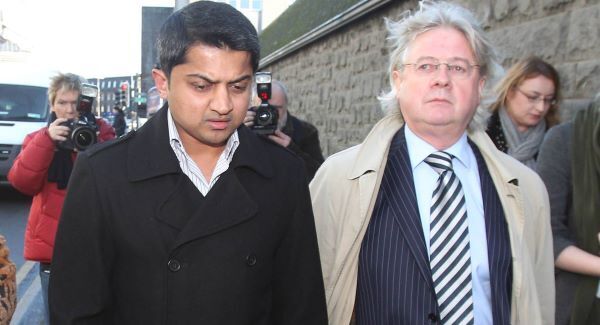
Clinical midwife manager Ann Maria Burke told an inquest she called a medic to see if the Indian dentist could have a bath the night before she fell critically ill, and mentioned the high pulse rate before she went off shift at about 8pm.
However, Ikechukwu Uzochkwu, senior house officer in obstetrics andgynaecology, remains adamant that he was only told the patient was weak but that her vitals were fine during a call between 9pm and 11pm.
“That is still my evidence,” he said, adding that he did not know which midwife had called him.
Ms Halappanavar was 17 weeks pregnant when she was admitted to hospital on Oct 21 and died a week later of suspected septicaemia, days after she lost her baby.
The witnesses were recalled to the inquest to give evidence after “irreconcilable differences” appeared in their evidence last week at Galway coroner’s court.
Ms Burke said she was “100% certain” she called Dr Uzochkwu on the Tuesday evening when pulse rates of 114 and 110 beats per minute were recorded from Ms Halappanavar.
He said he went to see the patient at 1am on Wednesday, but Ms Halappanavar was sleeping. He did not examine her as he was told by staff her vital signs were normal.
The on-call medic was called again at 6.30am — almost 24 hours after his shiftstarted — when her condition deteriorated so much she was diagnosed with suspected sepsis.
Expert witness Peter Boylan, former master of Holles St Maternity Hospital, said this highlighted deficiencies in the care and there was also a clear conflict of evidence between the midwife manager and the doctor on events the night before Ms Halappanavar’s condition deteriorated.
Dr Boylan said it was “perfectly reasonable” that he did not wake Ms Halappanavar at that time as she was distressed at the pending loss of her child and should not have been disturbed.
Eugene Gleeson, for Praveen Halapannavar, said there was no way of knowing if Ms Halappanavar’s vital signs were normal overnight as they had not been checked. “It’s absolutely clear that, from 9pm to 6.30am, only one vital sign out of the four was recorded,” said Mr Gleeson.
CONNECT WITH US TODAY



Be the first to know the latest news and updates