Helicopter delay cost fishermen’s lives: widow
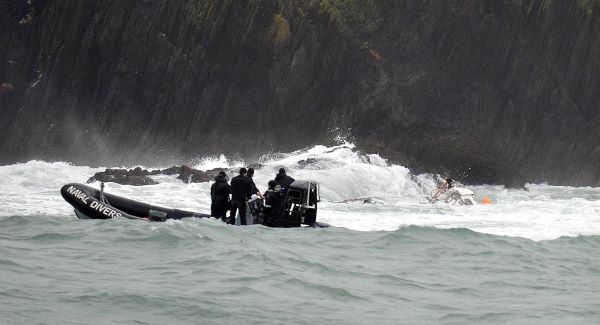
Caitlín Uí hAodha, widow of Michael Hayes and co-owner of the trawler, also questioned the delay in drafting in the local Toe Head Coast Guard to help respond to the unfolding tragedy in January last year.
In the Marine Casualty Investigation Board report published yesterday, the mother of five said both the Waterford and Shannon helicopters should have been tasked to deal with the incident and claimed: “I personally believe, had the helicopter been there sooner, we would be looking at three survivors.”
Five men drowned and just one life was saved in the early hours of Jan 15, 2012.
Meanwhile, recommendations by the report to enforce working-time laws on trawlers in the wake of the tragedy would spell the end of the whitefish industry, according to the head of the Irish Fishermen’s Organisation, Edward (Ebbie) Sheehan.
The report claimed fatigue and inadequate watch-keeping were key factors in the vessel steaming into and stranding on Adam’s Island in Glandore Harbour. It suggests the six men aboard had, at most, four or five hours sleep in the 40 hours they had departed the West Cork port of Union Hall.
It recommended, for safety reasons, the minister for transport enforce European regulations on working hours, but Mr Sheehan said such recommendations are “unworkable”.
“Telling a fisherman they have to observe working hours is like telling a farmer, in the middle of the lambing season he has to ignore his flock... This was an accident, a tragedy. I don’t think anyone in their right mind can say exactly what happened that night. They can’t be definitive about what happened.”
The 60-page report said two of the crew, along with a student, had no mandatory basic safety training which saw some crew not being familiar with safety items and communications equipment in an emergency.
The skipper had aborted a planned five-to-six day fishing trip after two days due to technical problems. The report concluded: “This casualty highlights the importance of alerting the Coast Guard as soon as possible when an event occurs which could endanger the vessel.”
The trawler was also operating on auto-pilot up to the point of stranding.
There was no prior alarm, the report claims, to sleeping crew members who were awoken by the impact.
With the skipper the only person with a certificate of competence, the report further stated: “The inherent danger of having only a single certificated deck officer is that ‘all knowledge’ resides in him in respect of navigation, communication and safety matters.”