Overhaul will see fishermen landing most caught fish
The new practice, worked out in a 20-hour long meeting in Brussels, will involve changes to quotas of the fish they will be allowed to catch, fresh investment in equipment, and a change to fishing practices that many fishermen fear will signal their demise.
The European Commission, which put forward what is the biggest reform of the fisheries industry in decades in order to reverse declining fish stocks, has said it has funds to see fishing communities through any difficult times as it works to restore fish stocks to a healthy state.
However, the next step for Mr Coveney is to win around the European Parliament to the compromise as it voted overwhelming for a total ban on discards.
Mr Coveney described the negotiations with other member states as “long and tense” but was confident that measures to help fishermen transition to the new discard ban would work well.
EU countries were deeply divided over the measures, with Sweden and some other northern countries pushing for a total ban on discards — around a quarter of all fish caught by fishermen are thrown back into the sea, and up to a half in some species.
Up to now fishermen could not land them if they did not have a licence to fish particular species or if they were juvenile and considered too small to be caught, so they dumped them back into sea, where most died.
France and Spain led the fight to at least limit the discard ban and the row finally came to a head in Brussels where fisheries ministers eventually agreed to allow vessels to discard 7% of their catch, phased in over three years from next January.
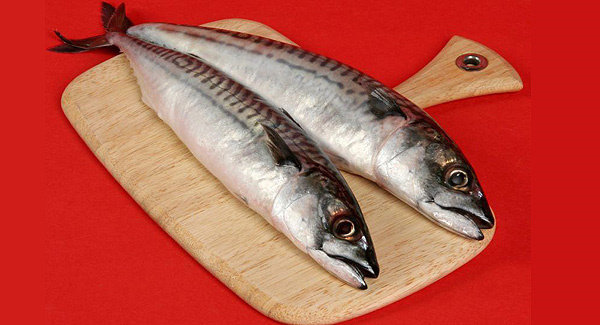
The ban on pelagic fish — such as mackerel — will come into force in January and will be extended to all species in the North Sea from Jan 2016 and in the Mediterranean and Black Sea from 2017. The percentage will be 9% for the first two year, falling to 8% for the next two and with 7% from 2019.
Sweden was the only country in the end to object to the agreement as it wanted a full ban.
Many details are still to be worked out, including how a transfer of quota between species depending on the landings is worked out; how off quota and juvenile fish will be used for charitable purposes rather than sold, the changes in gear and fishing practices, and compensation measures for fishermen.
Fisheries commissioner Maria Damanaki said she had funds for this, adding, “The commission is behind our fleet”.
However this is not the end of the debate as Mr Coveney now representing the EU countries will negotiate with the commission and the European Parliament who both want a wider ban on discards, and plan to finalise the policy in June.
But the reaction from the European Parliament was not positive with the writer of their report on the policy, German Socialist MEP Ulrike Rodust pointing out they had voted overwhelmingly for a strict discard ban, without any exemptions. “I do not expect the parliament to agree to this in the negotiations,” she said.
Mike Walker of the environmental group Pew was critical of the compromise saying that they should “show more vision by agreeing to the parliament’s proposal to end overfishing and restore fish stocks”.
Fine Gael MEP Jim Higgins welcomed the deal and said: “Discards were a practice invented by the EU, and now we have a clear road map to put an end to the wasteful practice.”