Midwife exodus ‘putting lives at risk’
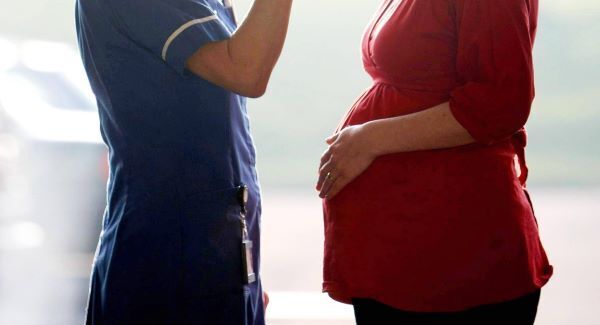
Dr Sam Coulter Smith, master of the Rotunda, one of the country’s biggest maternity hospitals, said their midwife/patient ratios were already severely compromised.
“You reach a point when you can’t stretch the service any further, and we are at that point now,” he told the Irish Examiner.
The consultant obstetrician/gynaecologist said the “accepted norm” for midwife:patient ratios was 1:28 up to 1:33, but that the ratio at the Rotunda was 1:47, a situation that would worsen when 29 staff left the service next month. This was against a backdrop of a 40% rise in the number of babies delivered at the hospital in the last six years.
Dr Coulter Smith said he “absolutely agreed” with concerns raised by consultant obstetrician Dr Gerry Burke that some women and babies may pay “with their lives” as midwives leave the service in droves.
According to Dr Burke, St Munchin’s Regional Maternity Hospital in Limerick — which caters for more than 6,000 women and 5,200 newborns annually — will have lost 47 midwives out of just over 200 through retirement. He said the HSE had not demonstrated how it intended to deal with the shortfall. Dr Burke is chair of the Labour Party in Limerick City.
The Irish Nurses and Midwives Organisation said services were already “very pressurised” at Cork University Maternity Hospital.
INMO spokeswoman Patsy Doyle said there were currently 350 staff, well down on the figure of 380 which the HSE gave the Labour Court last year when it was advised to convert agency staff into permanent staff at the hospital. She said 19 more staff were so far set to leave next month.
Ms Doyle said the “business of not replacing midwives” could leave a maternity services “inches away” from the situation at the Royal Maternity in Belfast, where three babies have died following the outbreak of a bacterial infection.
“You have to ask if we would have the capacity to manage an infectious outbreak like that with reduced staff,” she said.
INMO general secretary Liam Doran said the country’s maternity services would be “facing a very severe crisis” come the end of February.
The HSE said it was “acutely aware of the challenges” facing the health service and that contingency plans were worked on.
Public Expenditure Minister Brendan Howlin confirmed 3,500 health professionals out of a total 7,500 public service workers had expressed interest in the early retirement scheme. Under the scheme, those who apply to leave before March 1, 2012, will have their pension calculated on the basis of their salary prior to cuts in the past two years.