Taxes set to be hiked as growth stalls
Ministers issued thinly veiled warnings that both the Croke Park deal and election pledges on income tax may need to be abandoned in the wake of the dramatic downgrading of the country’s weak fiscal position. Public Expenditure Minister Brendan Howlin said “pain for everyone” was unavoidable if the financial situation was to be righted as the nation had been reduced to relying on “foreigners paying our way”.
But he denied that next month’s jobs budget — likely to contain revenue-raising measures such as levies or taxes to pay for work schemes — would need to be expanded into an emergency mini-budget.
The IMF’s assessment saw growth projections slashed from the 0.9% predicted last November. In an unexpected twist, the IMF backed Ireland’s pleas for the EU to cut its bailout interest rates “urgently” due to the pressure they were putting on the economy.
The IMF estimated unemployment would be worse than expected, averaging 14.5% this year, compared with less than 10% for the eurozone.
The bleak outlook overshadowed a special Cabinet meeting called to impose a rigid spending review across government departments, but ministers put off discussing a €5bn sell-off plan for state assets drawn up by economist Colm McCarthy.
Echoing earlier warnings of renewed cuts to public sector pay, Mr Howlin indicated time was running out for the Croke Park deal to show results: “We can’t think in the old way. We need to do an awful lot more with less money and less people because we are also committed to reduce the overall numbers in the public service.”
Mr Howlin said the Cabinet had decided to refocus the capital budget over the next five years to concentrate on jobs, with all aspects of government spending under scrutiny ahead of a major review in September. Mr Howlin said the review was needed to prevent ministers being “captured” by their departments.
Taoiseach Enda Kenny backed up the remarks, insisting that consequences would follow a failure of the Croke Park deal to deliver what was expected in savings and changes to working practices more rapidly.
The agreement, which pledges no pay cuts until 2014 in return for reform, is up for review next month and is to be looked at by the IMF/EU in the autumn.
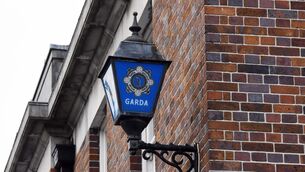
In a sign of possible unrest to come, the Garda Representative Association said the force would “not be able to cope” if numbers were slashed to 13,000 officers as planned. However, Education Minister Ruairí Quinn warned all branches of the public service would have to learn “to do more with fewer people”.
The IMF left its growth predictions for Ireland for 2012 unchanged at almost 2%, but said unemployment would be higher than previously thought at 13.3%.