Ministers have tough list of pledges and promises to deliver
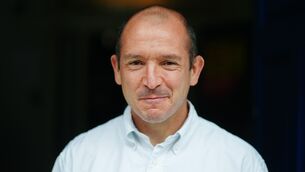
It is only three days since Enda Kenny’s newly picked government was appointed. The new ministers have a tough list of pledges to deliver.
Prior to the election a brave Mr Kenny set out his wish list and promised to report on the near 30 issues highlighted after the first 100 days. But if the political stunt goes wrong it could be a disaster for the Government and turn friendly voters into disappointed foes. So which, if any, of the ‘100-day’ promises were addressed this week?
Top of the agenda were negotiations with European leaders and officials on renegotiating the EU-IMF bailout and lowering the 5.8% interest rate on aid loans. Mr Kenny had pledged to use his position as vice-president of the European People’s Party, to help persuade our European partners.
Barely in office a few days, the Mayo man laid down a marker in Brussels by insisting he would oppose any pressure to dilute Ireland’s treasured low corporate tax regime. This was despite an offer by Germany to back a lower interest rate if we agreed to a common corporate tax base.
It remains to be seen what progress Mr Kenny can make here, particularly with Germany and France who are key underwriters of the bailout.
Mr Kenny may have secured the backing of European Commission president Jose Manuel Barroso, but the fact is the aid package is actually an inter-governmental deal, not an EU deal, run out of Luxembourg.
Another key issue among the 100 day pledges was political reform.
The new government has already agreed to pay cuts and savings on ministerial transport.
However, Mr Kenny’s new pay packet of €200,000 is still higher than British Prime Minister David Cameron, who is on a salary of Stg£142,500 (€165,761).
Mr Kenny’s failure to cut the number of junior ministers to 12 from 15 (promised two years ago but not part of the 100 days of reform), could also be seen as a letdown.
Reducing the number of ministerial visits abroad for St Patrick’s Day from 21 to 9, though, will be seen as some sort of reform (even if it could be argued there was insufficient time to plan the trips for more ministers).
A first meeting of the special new economic council also scores highly.
But the main measures of the wish list still need to be rolled out and over the coming days and weeks, promises on job creation, holding the banks to account as well as health reform will need to be addressed if the performance of this ‘100 days’ strategy is to be taken seriously by an anxious and waiting electorate.

CONNECT WITH US TODAY



Be the first to know the latest news and updates