Hotel a monument to city’s devastation
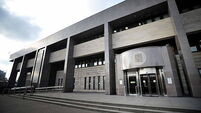
For the past eight months the luxurious 131-bed five-star facility – which has twice been named national business hotel of the year – has been a monument to the devastation continuing to affect the city.
Millions of euro has been lost to the hotel, based on the banks of the river Lee, since it was last open on the night of the floods.
Of the 130 staff working at the hotel before the crisis, only a “core base” remain, with the rest placed on “temporary leave”.
Inside the building, the consequences of repair work to floors, lifts, gas, electricity, wood finishing and the underground car park are still being felt.
The hotel, which was once a symbol of the best Cork city had to offer, is now a prominent image for the worst it has had to face.
But, like ordinary citizens who were badly damaged by the floods, those behind the five-star hotel are finding it just as difficult to obtain the money they need for repairs from the insurance industry.
Legal arbitration is taking place in an attempt to find an agreement over the costs involved, with speculation the figure could be as high as €11 million when all factors are taken into account.
“We’re at the mercy of the courts at the moment,” a spokesperson for the Kingsley explained.
Further along the Western Road towards the city centre, the Tyndall National Institute – which continues to act as one of the few remain employment beacons for Cork – is also struggling to recover.
The exact costs from the flood damage are not known, however an estimated figure of €3m-€4m has been put forward due to specialist equipment which was on the site at the time of the crisis.
Both the Mercy University Hospital (MUH) and UCC have recovered fully since flood waters seeped through their protection last November.
At the height of the floods the former had to evacuate ground floor patients to medical units on higher ground and close its emergency department for a number of days, but has since returned to normal service.
The latter’s prize asset, the Mardyke Arena, had to be almost completely renovated and was closed for three months due to the devastation caused.
But despite the risks of a repeat occurrence of what happened last November – highlighted by the damage caused to these buildings, and a total €141m in insurance debt across the city – difficulties still remain.
A vital tendering process for repair work on the quay walls is understood to have been delayed due to a delay in central Government providing the funds to pay for the work, while a tender to upgrade the inter-connector water system between the north and south of the city is at the mercy of a similar dispute.
What happened last November was not necessarily an isolated event.


CONNECT WITH US TODAY



Be the first to know the latest news and updates