Landing the catch

THE EARLY morning knock on the door of an isolated farmhouse in West Cork didn’t only herald the arrival of air-sea rescue helicopters. It led to the biggest drugs case in the history of the State.

Landing the catch

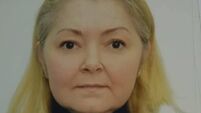
Gerard Hagan, 23, from 85 Hollow Croft, Liverpool, pictured left — who pleaded guilty to his part in importing the drugs before the trial of the other three men began and will be sentenced in November — was standing outside the home of Michael O'Donovan of Carrigeengour, Goleen, County Cork, shivering and soaked to the skin.

This resulted in an air sea rescue for a man who was still in the sea — Martin Wanden. But one of the first guards to arrive on the scene, Garda Gerard Prendiville, sensed that there was more to it than an accident at sea. He phoned Detective Sergeant Fergal Foley of the Cork West Divisional Drugs Unit based at Bandon who drove directly to the scene.

Even before Det. Sgt. Foley arrived he had alerted Detective Chief Superintendent Tony Quilter of the Garda National Drugs Unit, who was in Cork city at the time and he also took off for Dunlough Bay.

Hagan had been taken by ambulance to Bantry Garda Station at around 8.30 a.m. followed by Wanden a couple of hours later. Neither man was arrested at that stage but gardai had them under observation in the hospital. They were arrested when doctors released them from hospital.

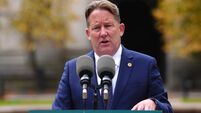
Once Wanden was pulled out of the sea, Det. Sgt. Foley, (left) asked coastguard officers to fish two bales out of the sea to check them. Once the guards got these first two bales on to dry land they needed to give them a preliminary examination. Det. Sgt. Foley and Det. Chief Supt. Quilter drove to Schull Garda station with the bales and brought them into the station and upstairs.

Even before opening the bulky package it was presumed to be drugs but not known if it was cannabis or some powder-form drug. When they saw the first hard white brick of compressed powder they knew — subject to forensic confirmation that it was cocaine.

Other key personnel included Supt. Eddie McKeon, Supt. Seán Healy and Chief Supt. Kevin Ludlow.

An important finding was made by John Finn of the Customs anti-drug unit who located the red 4x4 and the Pele box in Dunlough Bay which contained vital evidence including a global positioning system, a satellite phone and the so-called Witsie phone. This allowed the Lucky Day and the RIB to be tracked.

An incident room was set up at Bantry Garda Station and a joint task force saw the participation of the Irish Navy, including Commander Eugene Ryan. For the first two weeks of the investigation up to 70 garda officers were investigating the case including searches and door-to-door enquiries, scenes of crime experts, forensic specialists and the garda sub-aqua unit.

From August until December, eight officers were assigned to the case around the clock and from December until the trial four officers were doing nothing but the cocaine case.

By October 2 the preliminary book of evidence was served. Each defendant in this case was served with a 'book' contained in five full lever-arch folders. By the time additional evidence was served it consisted of a total of twelve such folders filling three boxes. Each accused man eventually faced a book of evidence that was waist-high.

x

More in this section

Lunchtime News

Newsletter

Keep up with stories of the day with our lunchtime news wrap and important breaking news alerts.

Cookie Policy Privacy Policy Brand Safety FAQ Help Contact Us Terms and Conditions

© Examiner Echo Group Limited