Call for more staff to teach immigrants
The Irish National Teachers Organisation said its members can provide anecdotal evidence that many children are developing racist attitudes.
INTO general secretary John Carr said: “Children are not born with these attitudes but it is saddening to think how quickly they can be acquired. Many of these attitudes have been learned from adults and this provides an urgent reminder to us of our duty to educate against racism.”
Teachers believe children in Irish schools from non-English-speaking countries should be given extra attention to help them learn the language.
Any school with 14 or more such students is entitled to an extra teacher to take these pupils for small-size English classes, or two teachers where there are at least 28 non-nationals on the roll book.
Mr Carr called on the Department of Education to provide extra resource teachers to support the specific
learning needs of these children. The INTO also wants the department to ensure adequate grants are given to schools to help them get appropriate materials for teaching the language.
“The department should also support schools in the development of practices and procedures which promote inclusiveness, acceptance and openness in which all children can learn together,” Mr Carr said.
A department spokesperson last night said there were 253 language support teachers in primary schools and around 150 at post-primary level during the last school year. Grants of almost €6,350 are paid to primary schools with three to eight pupils who have English language deficits, while a primary school with nine to 13 such pupils receives a grant of over € 9,500.
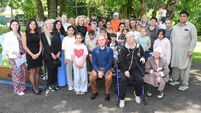
The INTO this week held training courses for more than 100 teachers promoting equality in education.
Mary Enright, a Dublin-based primary teacher who took part in the course, said every school with six or more non-national children should be allocated an extra teacher.
Another participant, Brenda Brooks, said many children coming into Irish schools from other countries have no English and large numbers have little or no experience of education.
“They need support to enable them to make sense of our society. These children have had very different life experiences and do not have what most children take for granted. Even something as basic as a place of their own is not part of their lives,” she said.

CONNECT WITH US TODAY



Be the first to know the latest news and updates