Apology astonishes all despite prompting divided reactions
The IRA’s mythical mouthpiece stunned both friends and foes on Tuesday afternoon by expressing “sincere apologies and condolences” for those it killed in 30 years of bitter warfare in Northern Ireland.
The majority of people in the Republic and among nationalists in the North and in Dublin will see it as a genuine change of heart aimed at strengthening the shaky peace process of the 1998 Good Friday agreement. Others, especially Ulster Unionists of varying radicalism, will see it as a mere tactical move to build support for the IRA’s political wing, Sinn Fein.
But then again there is more than a month of Orange marching to go so the rhetoric in that quarter must be discounted. When that discount is factored in, the general reaction in Britain and Ireland was that this IRA gesture was simply astonishing.
To some people the apology was a little grudging in its treatment of the deaths of Loyalist paramilitaries, soldiers, policemen and even those who handled a shovel on security building contracts. But the following words surely helped offset that: “The future will not be found in denying collective failures and mistakes, or closing minds and hearts to the plight of those who have been hurt,” the IRA statement said.
“That includes all the victims of the conflict, combatants and non-combatants. It will not be achieved by creating a hierarchy of victims in which some are deemed more or less worthy.”
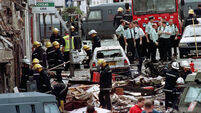
he apology timing, to mark the 30th anniversary of multiple IRA bombings that killed nine people in Belfast in July 1972, was also being weighed.
Some, close to Northern Ireland politics, also said the conciliatory statement was meant to head off punitive action sought by the UUP against Sinn Fein for alleged IRA actions in Colombia and the North. Last week Prime Minister Tony Blair and Taoiseach Bertie Ahern met the SF leadership. It was understood both leaders issued a tough warning about suspected Republican involvement in recent vicious street fighting in some Belfast neighbourhoods.
If the two governments ruled that the IRA had broken its five-year-old ceasefire, Sinn Fein could lose its representation in the North’s fledgling institutions. But theat statement makes such a ruling all the more difficult.
An embattled David Trimble, leader of the UUP, offered a harsh explanation of the IRA move. He wondered if the apology might be linked to journalists’ investigations into Bloody Friday, and the prospect of some embarrassment over publication of the names of those allegedly involved.
The London Government was, to paraphrase Northern Ireland Secretary Dr John Reid, determined not to be churlish. And US President Bush’s special envoy to Northern Ireland, Richard Haass, also responded positively. Mr Haass has not exactly been on intimate terms with the Sinn Fein leaders, particularly after three IRA members were charged with training anti-government terrorists in Colombia. But his reaction was significantly positive.
“It is important in any conflict situation that parties deal honestly with the past, and this is an important step in that direction,” he said.
Official estimates are that 3,600 people were killed during the 30-year conflict. The British Government estimates the IRA was responsible for over half these killings.
Saying sorry may be the closest so far the IRA has got to telling us the war is over. Despite the sense that there can be no going back to the evil days of slaughter, the IRA will require more deeds to reassure everyone who has suffered that they are truly sorry.