Teachers in major push for smaller class sizes
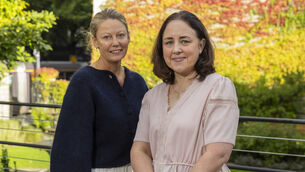
Irish National Teachers' Organisation (INTO) president Sheila Nunan last night announced a heightened campaign for the coalition to honour its commitment to reduce class sizes to 20 pupils in infant classes.
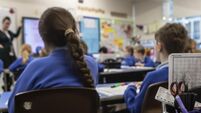
From next month, the union will ask the parents of the country's 450,000 primary pupils to sign a petition calling on the Government to reduce class size in every school in Ireland. The average class size at primary level is 24 and one-in-four children are in a class of at least 30 pupils.

From September, all 3,300 primary schools will have a DVD showing the reality of teaching and learning in some of Europe's most crowded classrooms, making it a familiar issue for parents when candidates canvas them for votes next year.
But the campaign Is your child being crowded out? will also directly target politicians, who will be asked to visit their local schools to see the problem first hand. They will also be invited to meetings in each of the 41 Dáil constituencies to face the public on the issue.
"We haven't even begun to make an issue of it yet. By the time we're finished, every parent in the country will know not only the number of children in their child's class but why and who to contact about it," Ms Nunan warned.
She was speaking as 750 delegates gathered in Killarney for the INTO annual congress, which will be addressed by Education Minister Mary Hanafin this morning.
The promise to meet international best practice on class size was made in the 2002 Programme for Government, but priority has since been given to extra staffing for special needs education and tackling educational disadvantage.
Although Ms Hanafin has promised 400 extra primary teachers up to September 2007 to reduce class sizes, the INTO wants 1,000 new staff recruited.
Ms Nunan said the primary classroom reflects the huge changes in population, families and children over the past five to 10 years and class sizes are impacting on teachers' ability to meet each pupil's needs.
"In maths, for example, the teacher needs to keep challenging the more competent children and allow time for mini-lessons with the weaker children. But there is a major difficulty in giving one-to-one attention as the class is so big," she said.
Ms Nunan said it is impossible to give every child adequate attention and teachers are struggling to find time to give feedback on individual children's work because of large classes.
"We will relentlessly pursue the issue up to and beyond the next election. This is a campaign that we're determined to win," she said.