175 beds a day occupied by patients ‘fit for discharge’ at Mater
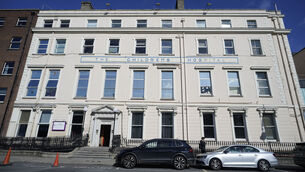
Figures from January to October 2002 show an average of 175 patients fit for medical discharge occupied beds on a daily basis at the Mater Misericordiae, costing a total of 24,285 bed days over a 10-month period.
A spokeswoman for the hospital blamed the bed-blocking on the lack of step-down facilities.
The issue is to be raised at a future meeting of the chief executive officers of the Dublin academic teaching hospitals, which include Beaumont, St James, James Connolly Memorial in Blanchardstown and St Vincents as well as the Mater.
Last month, the Southern Health Board (SHB) revealed it had sought legal advice on how to deal with families who couldn’t or wouldn’t accommodate relatives fit for hospital discharge, thereby denying others from getting beds.
The SHB claimed up to 7,920 bed days had been lost because elderly patients deemed fit had not been discharged from Cork University Hospital.
The board blamed families of patients for the delayed discharges, claiming relatives were frustrating post acute care options.
It said the patients in question had been offered placement in community hospitals or enhanced subvention rates in nursing homes (where the board pays towards the upkeep of the home), but that some families still opposed the discharge.
However, the Mater spokeswoman said not all of the bed-blocking patients at the hospital were elderly and that relations were not usually to blame.
“Occasionally relatives object to the discharge of the patient. However, this objection is out of concern for the patient’s welfare,” she said.
A spokesman for the Northern Area Health Board, where the Mater is located, said bed availability was reviewed on a daily basis and there were regular meetings with bed management and social work personnel from the acute hospitals to monitor discharges and placements.
Services planned to help ease the pressure on beds include proposals to develop three day-hospitals to facilitate GPs who wish to have patients rapidly assessed.
The board has also worked with the Eastern Regional Health Authority in introducing a scheme whereby 24-hour packages of care are put in place to enable people who would otherwise have to go to nursing homes to return home.