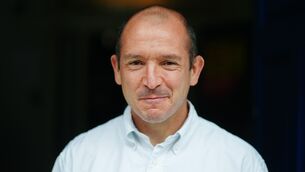
Bid to change rules on peacekeeping role
The minister plans to bring a proposal to the Cabinet that would allow the Government to make the necessary changes to the Defence Act, but only on a case-by-case basis.
Mr Smith, in Brussels for a meeting of European Union defence ministers, said he hoped that Irish troops would go to the Congo on foot of a request made yesterday by the UN to the European Union.
He would also like to see Irish army participation in any peacekeeping force in Iraq. Mr Smith's proposal would mean a fundamental change in the rules governing Ireland's participation in Europe's Rapid Reaction Force. It would also change the Seville Declaration the Government received from the European Union last year in the lead-up to the second Nice referendum when it wanted to underline Ireland's neutrality.
Up to now, the Government has guaranteed what it calls a "triple lock system" before committing the army to overseas duties.
This means getting a United Nations mandate for the operation, the agreement of the Government and the approval of the Dáil.
Mr Smith said he believed the time had come for a change in the requirement for a United Nations mandate.
Instead, he believed there should only be a need for an European Union mandate and United Nations approval for a mission. "Circumstances seem to be changing I have no doubt that the Irish people are concerned about the kind of atrocities we hear about and given the opportunity would want the defence forces to participate in alleviating suffering in any part of the world."
He said Ireland would be very limited in the way it could help other countries if our current position was maintained.
While he did not want the need for a United Nations mandate scrapped completely, he believed each European Union peacekeeping mission should be considered on its merits and a new bill introduced to allow it to go ahead.
"I want to create some flexibility that would not undermine the capacity of the United Nations," Mr Smith said. Tánaiste Mary Harney said she had an open mind on Mr Smith's proposal, while Foreign Affairs Minister Brian Cowan said it would be an issue for the Government.
Ireland has committed a light infantry battalion of 850 soldiers, about 10% of the army, to an European Union Rapid Reaction Force of 60,000.
However, Ireland was unable to take part in the EU's first peacekeeping force in Macedonia in March because it did not have a UN mandate after the Chinese objected. Macedonia had upset the Chinese by recognising Taiwan.
The EU defence and foreign ministers at a joint meeting in Brussels to discuss the force admitted, however, it is still not fully operational because they lack some key military capabilities such as transport for the troops. They are working on an arrangement with NATO in an effort to fill in the gaps.