Electric and hybrid cars account for over 20% of Irish car sales
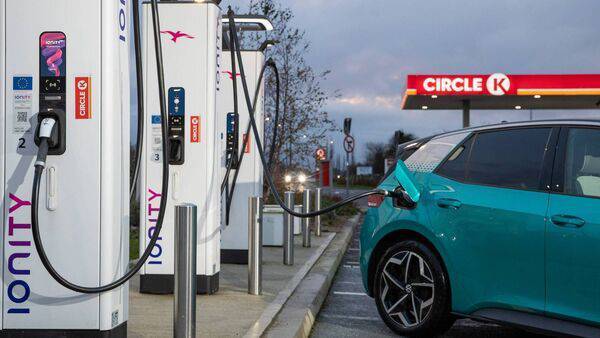
Part of the Government's plan to reduce emissions is to have a million EVs on the road by 2030. File photo
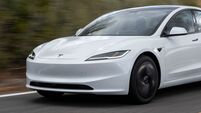
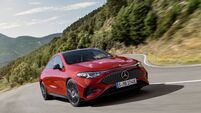
More than a fifth of all cars bought this year in Ireland were either full electric vehicle (EV) or hybrid, with EVs almost trebling in sales in comparison to the same period last year.
Data from the Central Statistics Office (CSO) shows that overall, some 13,643 new private cars were licensed last month, an increase of 17% compared with February last year, when Covid-19 restrictions were still firmly in place.
The CSO said that in the first two months of 2022, 21% of all new cars licensed for the first time were electric (EV) or plug-in hybrid electric vehicles (PHEV). PHEV refers to cars that are powered by petrol or diesel but can also run on electrics for periods.
New electric and plug-in hybrid cars accounted for 21% of all new cars licensed in February 2022https://t.co/wTBhNsCWnG #CSOIreland #Ireland #IrishTransport #TransportIreland #Transport #VehicleLicensing #NewVehicle #Logistics #Business #BusinessStatistics pic.twitter.com/gLiieXQBe5
— Central Statistics Office Ireland (@CSOIreland) March 8, 2022
"Looking exclusively at electric-only cars, the share of new electric cars licensed was almost three times that of the same period in 2021 - 3,642 compared with 1,309," the CSO said.
Diesel-powered vehicles are losing their grip, the data show. Some 24% of new private cars licensed were diesel, compared with 36% in the same period in 2021, the CSO said.
When it comes to brands, Asian and central European giants reigned supreme in Ireland among consumers in February.
South Korean behemoth Hyundai, with more than 2,000 cars sold overall, was the most popular make for new owners, while Japanese powerhouse Toyota was just marginally behind.
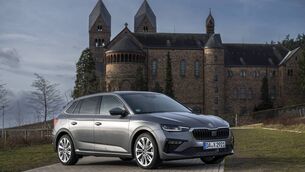
South Korean firm Kia and Czech company Skoda both sold more than 1,000 cars each, followed by perennial German favourite Volkswagen at almost 900. Those five brands made up more than half the cars sold in the first two months of the year, according to the CSO.
Hyundai has seen a vast jump in Irish sales when comparing last month and the same month a year ago, going from 9.6% to 15.3%, with Volkswagen seeing a sharp drop during the same periods, going from 11% to 6.4%.
At the same time, the once-burgeoning second-hand import market from the UK has plummeted in popularity among Irish drivers since the final Brexit deal was struck between the British government and the EU.
"The number of used (imported) private cars licensed in February 2022 was 3,929, a drop of 41% when compared with February 2021," the CSO said.
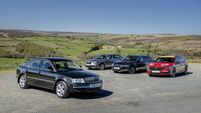
Until the end of 2020, those importing high-end cars from the UK would be able to take advantage of cheaper prices and higher specifications in models like Mercedes, Audi, and Volvo, even when factoring in currency exchange rates and charges such as the vehicle registration tax (VRT).
Some motorists reported savings of up to €10,000 until the new rules and charges imposed closed off much of the money-saving avenues. The Irish trends in the first two months of 2021 are mirroring global patterns, with new data showing sales of EVs globally doubling last year.
London-based motoring business intelligence firm Jato Dynamics said this week that fully battery-operated EVs went from 3.1% to 6% across the world market for cars between 2020 and 2021.
Part of the Government's plan to reduce emissions is to have a million EVs on the road by 2030. However, critics have questioned how that number will be achieved, with a lack of current infrastructure and barriers to affordable used EVs and imports of the same from the UK.

CLIMATE & SUSTAINABILITY HUB