Thinking of buying a 211 reg? Electric is the way to go
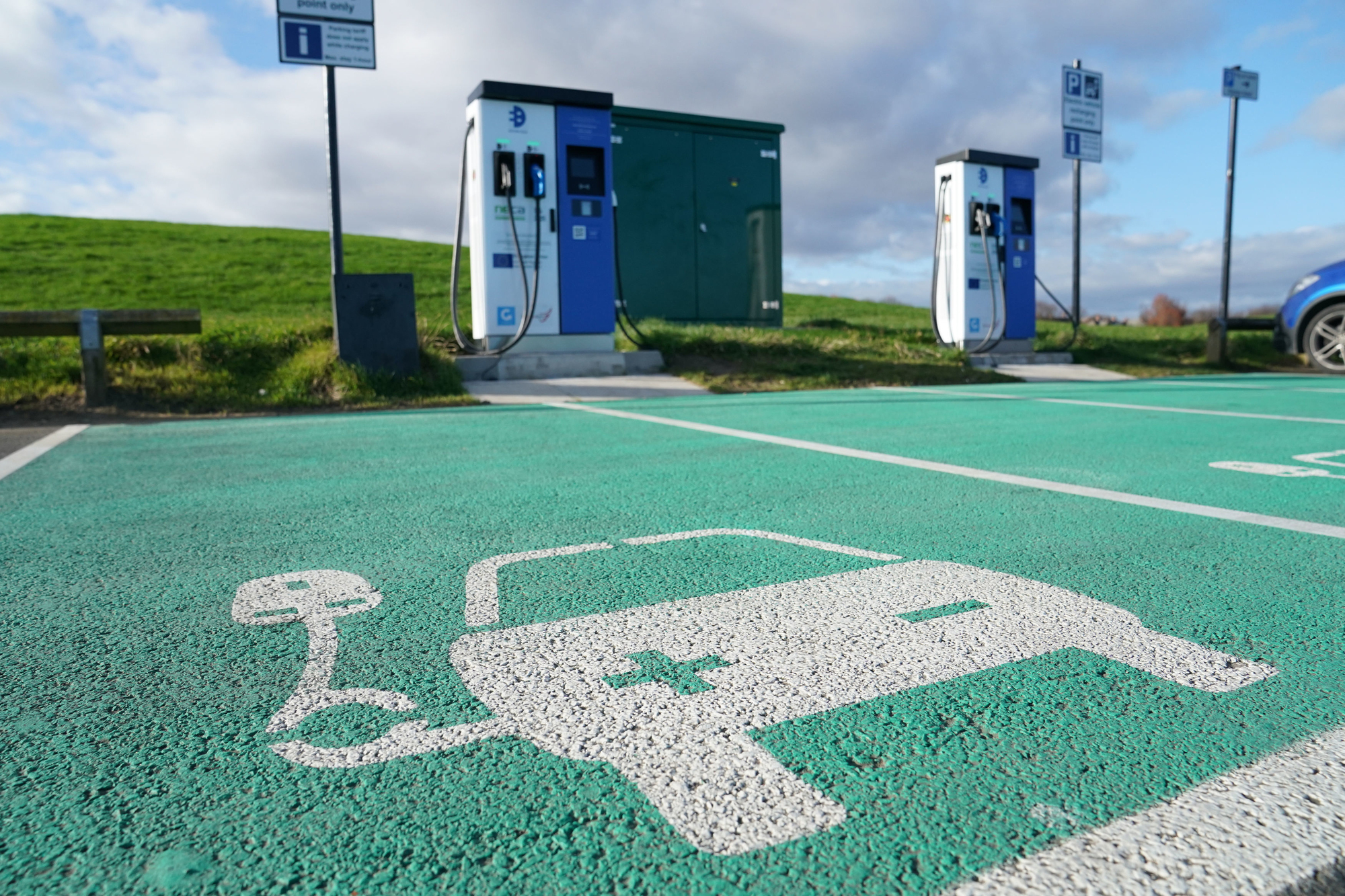
Only 25% of Irish drivers would buy an EV, though they are 70% cheaper to run. A new campaign wants to change their minds
Thinking of buying a 211 reg? Electric is the way to go

The Sustainable Energy Authority of Ireland (SEAI) is asking motorists to buy an electric vehicle (EV) in 2021.

Private cars, running on petrol and diesel, account for 20% of Ireland’s energy use and carbon dioxide emissions, which remain a major contributor to climate change.

Declan Meally, head of transport and communities at SEAI, says people should test drive an EV.

“There are now EVs to suit most driving needs; they will save you money and they are helping to change Ireland’s energy use for the better,” Mr Meally says.

“The number of EVs in Ireland has been doubling year on year, with over 25,000 people having already made the switch."

There are more than 1,200 public and destination EV charge points available, with more being introduced all the time. 

A recent study by SEAI found that 50% of drivers are unfamiliar with EVs and how they work. 

Fewer than 25% said they would consider an EV for their next car purchase. 

That’s why the SEAI has a campaign to raise awareness of EVs and to encourage people to test drive one before they buy petrol or diesel.

Types

There are three types of electric vehicle: Two that come with plugs and one that doesn’t.

A battery electric car, or BEV, is powered solely by an electric motor and rechargeable batteries. 

The batteries are charged by plugging it in to a charging point at your home or by using the national charging network.

A plug-in hybrid car, or PHEV, has a petrol or diesel engine, as well as an electric motor.

The battery can be plugged in and charged like a fully electric car.

Hybrid option

A hybrid electric vehicle, or HEV, has a petrol or diesel engine and an electric motor. The battery can only be charged by the petrol or diesel engine.

Mr Meally says that we can move away from fossil fuels by using the increasing amounts of renewable energy on our electricity grid for transport.

Today, 40% of Ireland’s electricity comes from renewable energy. This means that when you drive an EV here, it is responsible for 58% less CO2 emissions than an average petrol or diesel car. 

This figure will continue to improve as we add more and more renewables to our grid.

Charging an EV is not the issue it was 10 years ago.

So what about range and charging? 

The SEAI says that driving range was a legitimate concern 10 years ago, but that now most new EVs can travel over 300km on a full charge, with some tipping the 500km mark.

Most drivers in Ireland only drive 50km per day, so an EV will suit most of us. 

Charging up two to three times a week is the norm. Moreover, the lockdowns have changed the commuting habits of so many of us permanently, making an EV even more appropriate to altered lifestyles.

To charge a battery or plug-in hybrid EV, you connect the car to a charge point using a charging cable. Charging an EV at home is the simplest, most common, and cost-effective way to go. 

With a home charger, you charge your car overnight. You’re then ready with a full charge for your journey the next day.

Longer journeys

For longer journeys, there is a growing network of 1,200 public charge points and destination charging at shopping centres, workplaces, hotels, gyms, and airports.

The elephant in the room is the fact that EVs cost more than petrol or diesel cars. The gap is narrowing, and with government grants and tax incentives, the EV price difference is relatively small.

To decide which car to buy, take account of the lifetime cost savings of the car. EVs are 70% cheaper to run than diesel or petrol cars. Maintenance costs are also lower, because an EV has fewer moving parts.

Still not convinced? Book a test drive with your local car dealership, once it reopens. 

Motorists are more likely to consider an EV for their next purchase after a test drive, and tend to be more confident that an EV will suit their lifestyle.

Most people are surprised and even excited about the driving experience.

Case study

Jan-Bart Spang lives in north Cork and has been driving an EV for six years. 

In 2012, he was in the market for a new car and, after some research, he made the move to a hybrid EV. In 2014, he went fully electric and bought a Renault ZOE.

The transition from fossil fuel to electricity saw his monthly fuel spend fall from €150 to €40.

“The first time I sat down in an electric car, I could not stop smiling. I don’t see myself as having to change my lifestyle. 

Having a home charge point means I can plug it in and go about my business. 

"I always tell people to test drive one.” 

Mr Spang urges people to keep in mind the total cost of ownership when buying a new car. It’s the fuel savings, reduced maintenance costs, toll incentives, and the lower rates of motor tax that make an EV an attractive buy.

Mr Spang says he was nervous, initially, about the range.

“I live in north Cork and the electric car-charging network wasn’t very good at the time,” he explains.

There are still gaps here and there, but it’s much better now. 

Mr Spang says his home charger is invaluable to him and he is lucky to have a driveway where he has easy access.

To avail of the SEAI home-charger grant, you have to have your own driveway. Fully charged, Mr Spang can drive 350km, before needing to stop and charge again.

The best thing about driving an EV, Mr Spang says, is driving around the north Cork countryside with the windows down, listening to the birds, without engine noise and without petrol or diesel smoke.

“It’s the serenity of the drive,” Mr Spang says.

Government incentives

  • SEAI electric car grant: Up to €5,000 to purchase a new battery or plug-in hybrid electric car for private buyers, and €3,800 for commercial vans.
  • VRT relief: Up to €5,000 for new fully electric cars until end 2021.
  • Home charger grant: Up to €600 towards to purchase / install an EV home charger.
  • Low motor tax: €120 per annum for fully electric cars and approximately €170 for plug-in hybrid cars.
  • Road toll discounts: 50% reduction for fully electric and 25% for plug-in hybrids. This is available on several toll roads, off-peak times. Annual caps apply.
  • Accelerated capital allowances: This tax incentive scheme allows sole traders, farmers or companies that pay corporation tax to deduct the cost of qualifying EVs and charging equipment from their profits in the year of purchase.
  • Benefit-in-kind relief: 0% BIK may be availed of for the first €50k of the list price of a fully electric car.
x

CLIMATE & SUSTAINABILITY HUB

More in this section

Revoiced

Newsletter

Sign up to the best reads of the week from irishexaminer.com selected just for you.

Cookie Policy Privacy Policy Brand Safety FAQ Help Contact Us Terms and Conditions

© Examiner Echo Group Limited