Peugeot going the distance with new 508
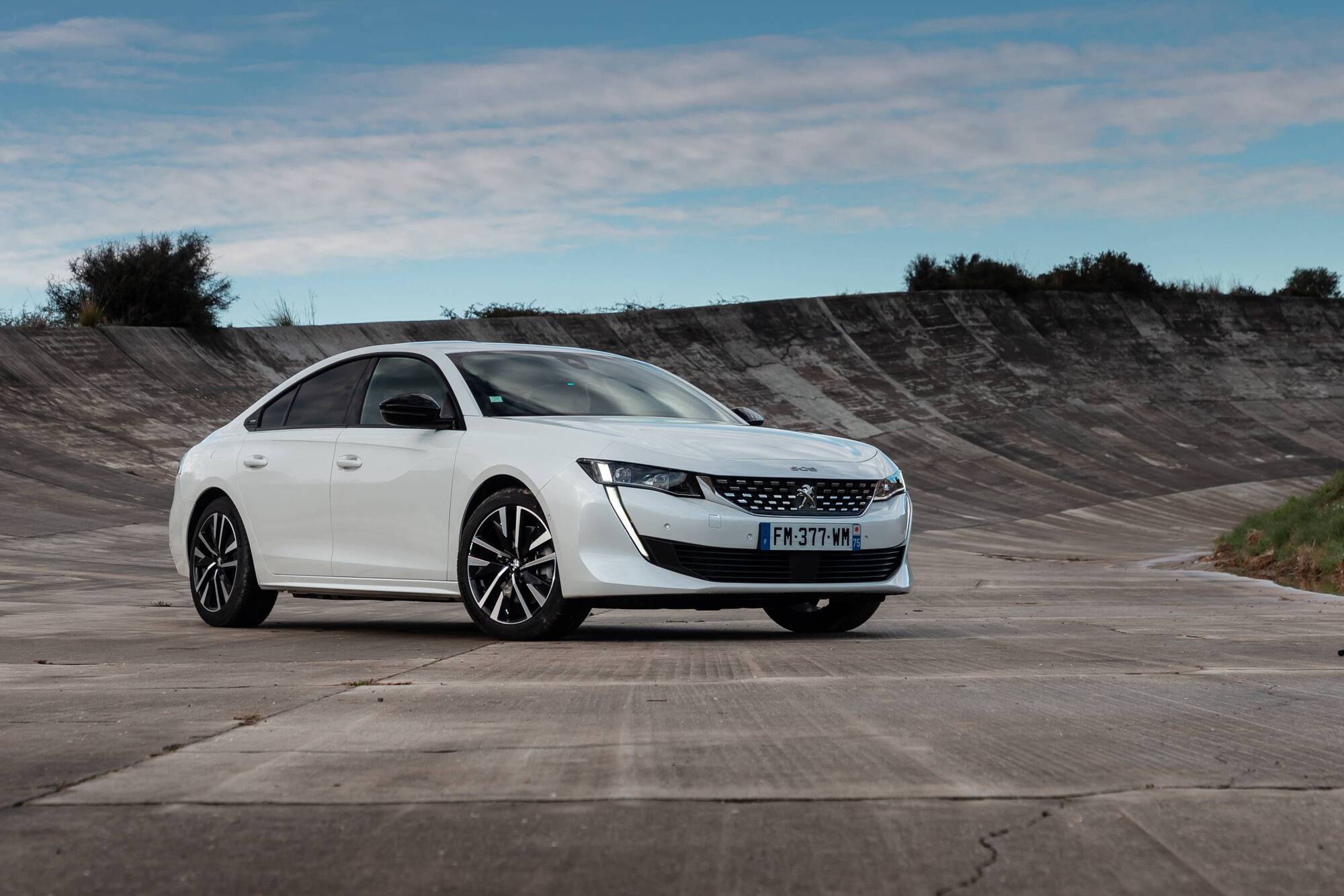
The Peugeot 508 PHEV is a stunning looking car and, in the GT-Line trim we tested, was absolutely crammed with technology and creature comforts.
|
Peugeot 508 PHEV |
|
|---|---|
|
Rating |
★★★★☆ |
|
Price |
€31,170 - €41,745 as tested |
|
Engine |
as good a hybrid as we’ve come across |
|
The Spec |
top drawer in GT-Line spec |
|
Verdict |
a nice hybrid |
Time might tell us that it is not the nailed-on magnum opus it looks like at this very moment in time, but the Peugeot e-205 is certainly a tour de force by comparison with anything else available right now and it has put the French manufacturer several steps ahead of almost all its rivals.
Aside from being able to get you to anywhere you might like to go at any given moment, the e-208 is endowed with a balance of style, modernity, and joie de vivre which is largely absent across the electric genre.
It might not appear to be quite as attractive in a few short years — or months even, such is the rapid pace of development — but it sure hits the nail on the head at this present moment.
And this is not terribly surprising because the Lion brand has hit a remarkable vein of form in recent years, with SUV winners like the 3008 and the 5008, as well as the 508 in either fastback or estate formats. Other products such as the new 2008 and the 108 and 308 might not quite have resonated as much as the aforementioned, but these are all cars which have made the opposition sit up and take note.
And, having taken over Opel lock, stock, and barrel from its disinterested American owners, Peugeot and its parent company PSA is now one of the most powerful automotive conglomerates in Europe and Asia.
With its ownership not only of Opel, but also Citroen and DS, Peugeot is now set to merge with Fiat Chrysler Automobiles, which will bring Jeep, Fiat, Alfa Romeo, Lancia, Maserati, Dodge, Chrysler, and Ram under the one umbrella with Peugeot’s existing portfolio.
That, I think you might agree, is one helluva line-up of brands and when the deal is completed will turn the new company into the fourth largest motor manufacturer in the world, with some 8.7m unit sales globally every year, with combined revenues of just shy of €160bn.
Focusing solely on the Peugeot end of the business, the French company has, in recent years, turned itself from being a middle-of-the road, unexciting, and staid carmaker into one of the most exciting there is. Sure it still makes a lot of middle-of-the-road cars for middle-of-the-road people, but many of them are truly excellent.
The company has won the most-prestigious-of-them-all European Car of the Year title twice since 2017 (the 3008 in 2017 and the 208 in 2020) and while gongs are all very well, sales are the real barometer… you will see how the company’s popular appeal has ballooned and how the critical reception it receives has changed for the better.
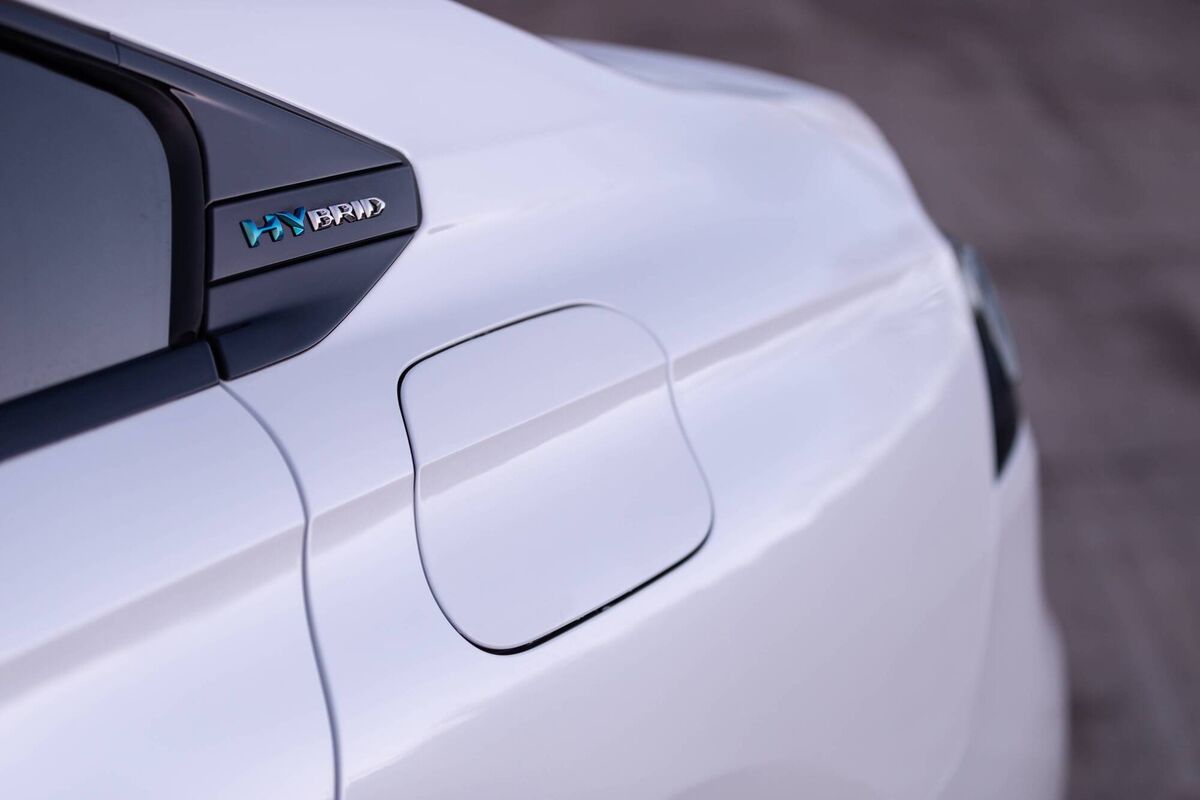
This week we look at a car which is already a staple among Peugeot aficionados, the 508, but in a new hybrid guise. The 508 (which itself was sixth in the 2019 European COTY awards) has, from the off, been a standard-bearer in the D-segment, competing against the likes of the Mondeo, Insignia, Passat, and i40.
The Hybrid version moves the rule a little in that it actually puts the 508 into a more premium class, head to head against the likes of the BMW 330e and Volvo S60 Recharge.
Anyway, within a breed which we consider to be of limited practical use, this new Peugeot is actually one of the best of those we’ve driven.
The 508 PHEV a stunning looking car (the pictures on this page do not do it justice, as it has to be seen in the flesh) and, in the GT-Line trim we tested, was absolutely crammed with technology and creature comforts, the like of which several of its premium rivals would struggle to match without charging a king’s ransom.
On the practical side, the car is powered by a 1.6-litre petrol engine allied to an 80kW electric motor and an 11.8 kWh lithium-ion battery pack. This results in a power output of 225 bhp and 337 Nm of torque and in turn allows for a top speed of 250km/h and an 8.3 second 0-100km/h time.
Read More
In perfect circumstances, the car will return a consumption rate of 1.4 l/100km which is 200 mpg (!) in old money. Perfect circumstances are hard to come by, however, and Peugeot claims you will get 54km of pure electric running (which is actually nearer 45km in real life).
The bottom line in our experience is that not many of these things are great to drive, but the 508 proved to be an exception. Although it is only a fair performer in the handling and ride characteristics, compromised no doubt by the weight of the batteries, it is as comfortable as steer as anything in the class — hybrid or otherwise — and works best as a long-distance cruiser.
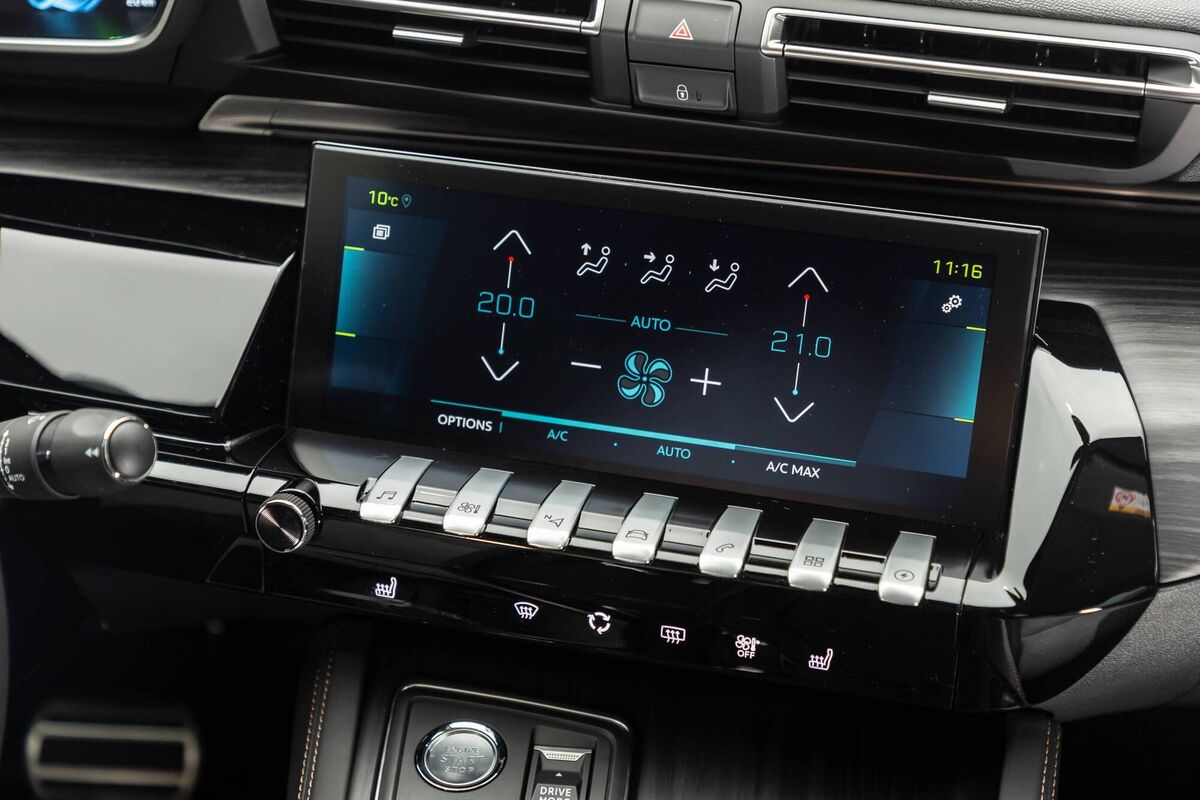
An eight-speed auto gearbox on the tester worked well and added to the overall luxurious feel on offer here. That feel is intensified by the Peugeot i-Cockpit (which not everyone will like, but I do), in which the digital instrumentation is a standout feature.
Some of the switchgear might be a bit fiddly, but the layout of the cockpit oozes class and innovation and again puts a lot of its more premium rivals to shame.
Decked out in its Twilight Blue overcoat, the 508 is stunning to look at and while some may have reservations about the low roofline at the rear, I had no complaints about head or leg room from a couple of leggier friends. The boot, too, is pretty commodious.
Given that many hybrids represent several dynamic compromises, this one is not atypical. Certainly it is not the sharpest handler, but as a car to crush long distances in great comfort and provide excellent tax benefits as well, this is among the best we’ve seen.
Another sign, then, that Peugeot is going places.