I sailed down the Amazon river and witnessed the magnificence of its wildlife
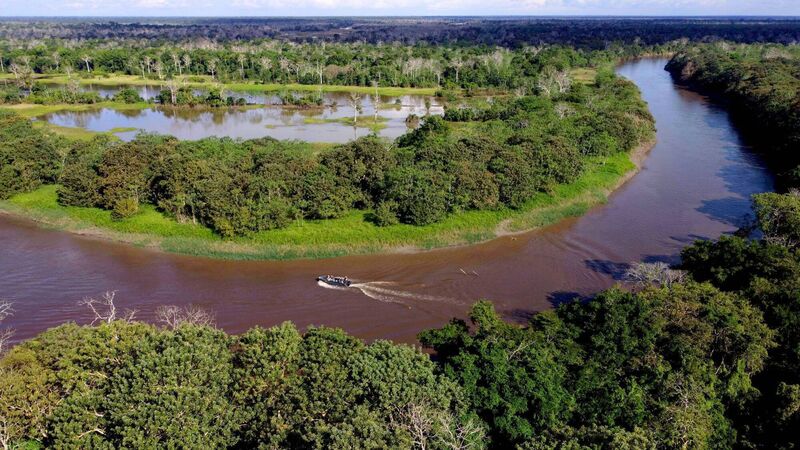
The Amazon is home to one in ten of all species on Earth
Though not predisposed to liking cruises — aghast at images of ocean-crossing mega-ships in excess of 6,000 berths — my prejudice wilts when experiencing the primordial wilderness of the Amazon on a boat holding no more than 40 passengers.
Geographers quibble over whether the Amazon or the Nile is the longest river in the world. It depends on where the river’s source is located, and for a long time the Amazon was deemed to begin at the confluence of Ucayali and Maranon rivers, upstream of the town of Iquitos in northern Peru.
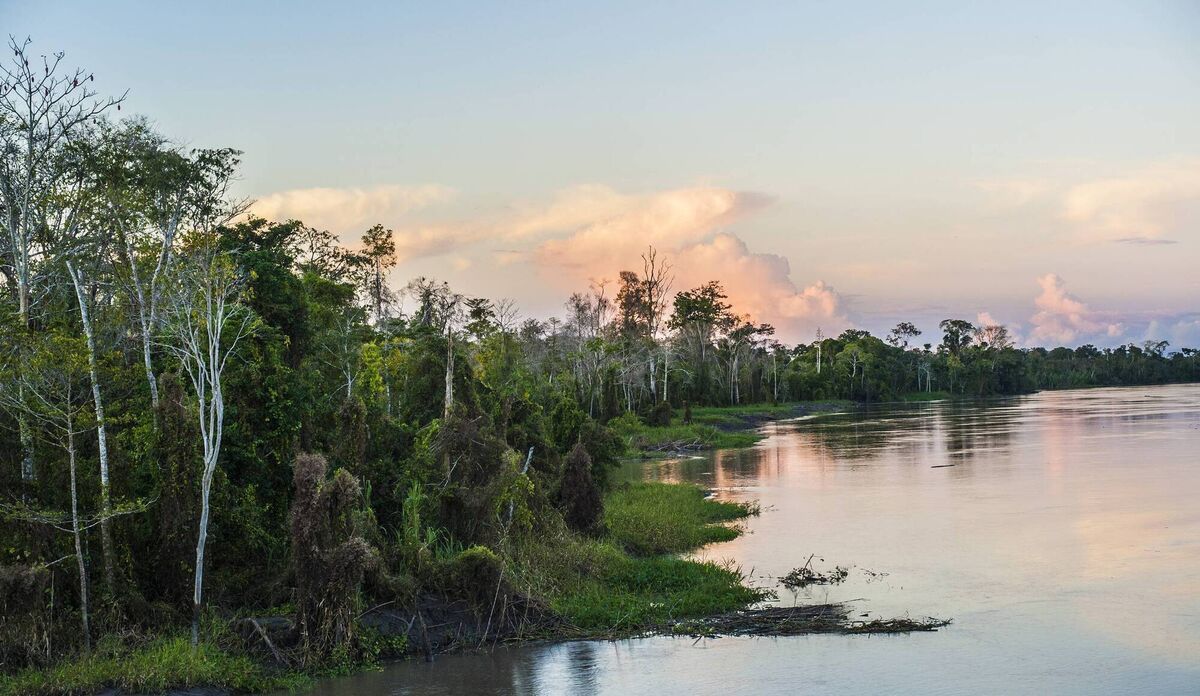
Many now view these rivers as part of the Amazon and, when the length of the Ucayali is factored in, the Amazon pips the Nile. It matters not, knowing I was in the world’s most colossal and diverse tropical rainforest and on a voyage taking me to the confluence of the two rivers and journeying along the Amazon itself; a four night trip.
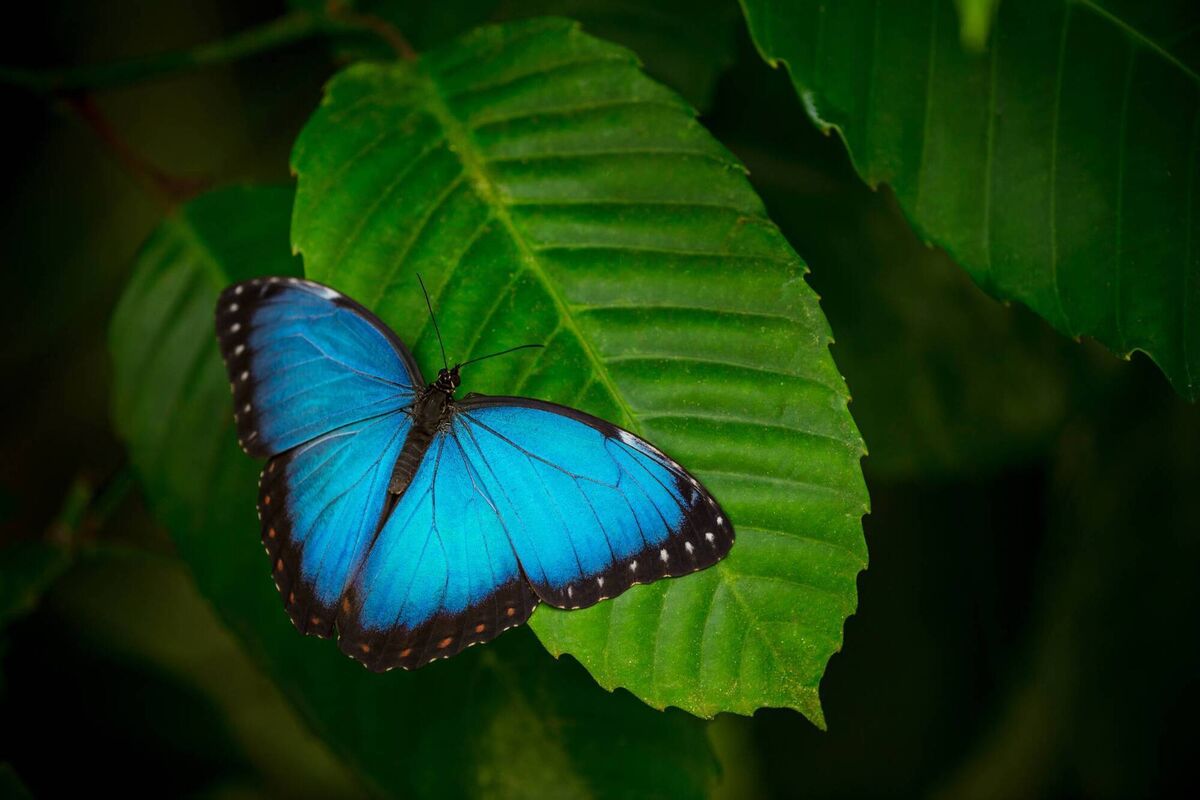
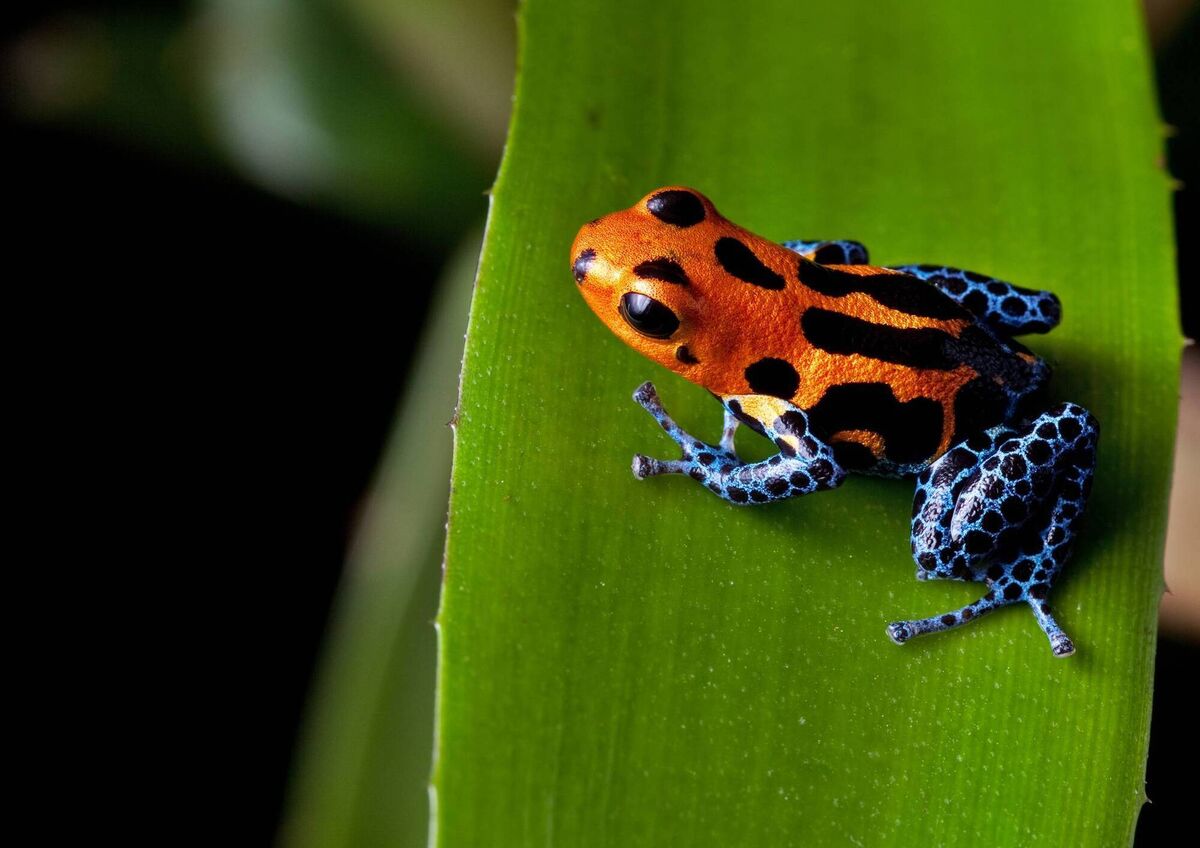
Relishing the prospect of viewing wildlife — the Amazon is home to one in ten of all species on Earth — I did not anticipate seeing a jaguar (marvelling at his luck, only one guide had) but a morning following trails in the jungle exceeded expectations: earthy creatures encountered included a coiled anaconda in brackish water (around 2m in length, a mere juvenile) and a red-tailed boa constrictor; the ethereal being of a blue morpho butterfly; startlingly green frogs and, not much bigger than my thumbnail, the dazzling Peruvian poison dart frog.
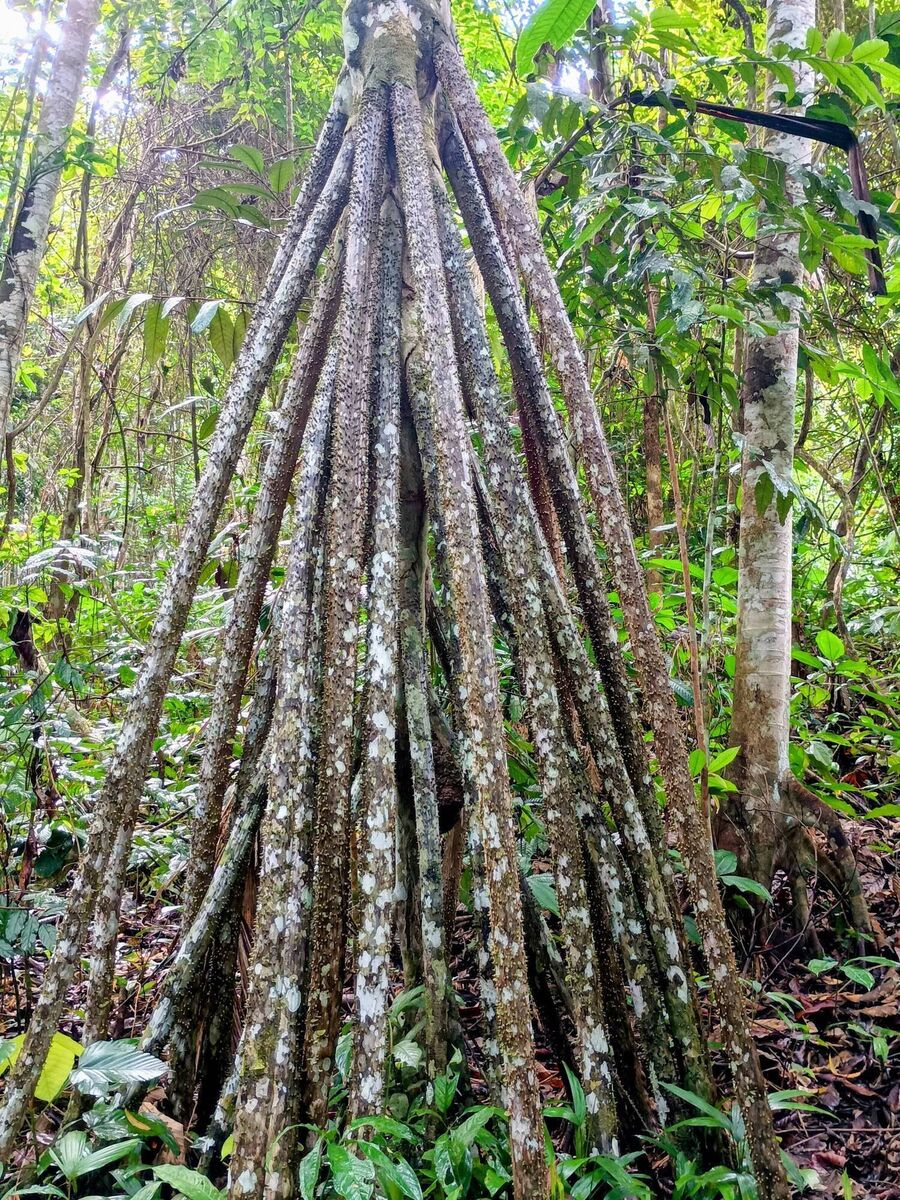
There are 16,000 species of trees in the Amazon and it takes an unusual one to capture your attention, like the ‘walking’ tree that is said to grow stilted roots that find new ground up to 20m away, settling there as the old roots uplift themselves and shift towards it. The process takes many months and I really had no right to feel disappointed seeing it in the same spot when returning back along the trail.
A daily highlight was waking in bed to see the Amazon staring back at me through a floor-to-ceiling window. Then, after disembarking onto a motorised flat-bottomed skiff, it was time to explore the labyrinths of green that border the river and its creeks.
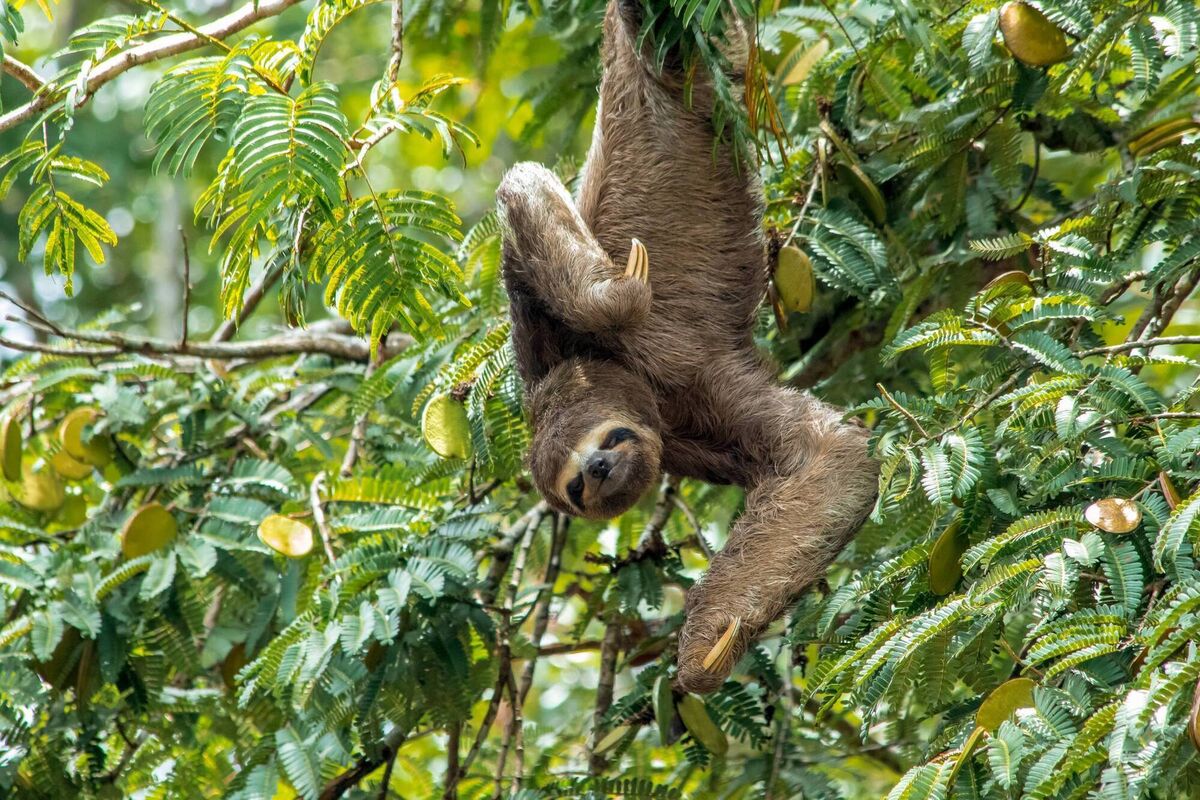
These trips became strangely compelling — the speeding away and then the abrupt shutting down of the engine whenever a guide spots something of interest — and I never tired of gazing through tangled vines for snapshots of dozing sloths and iguanas, a troop of squirrel monkeys trampolining between branches and the constantly dazzling birdlife.
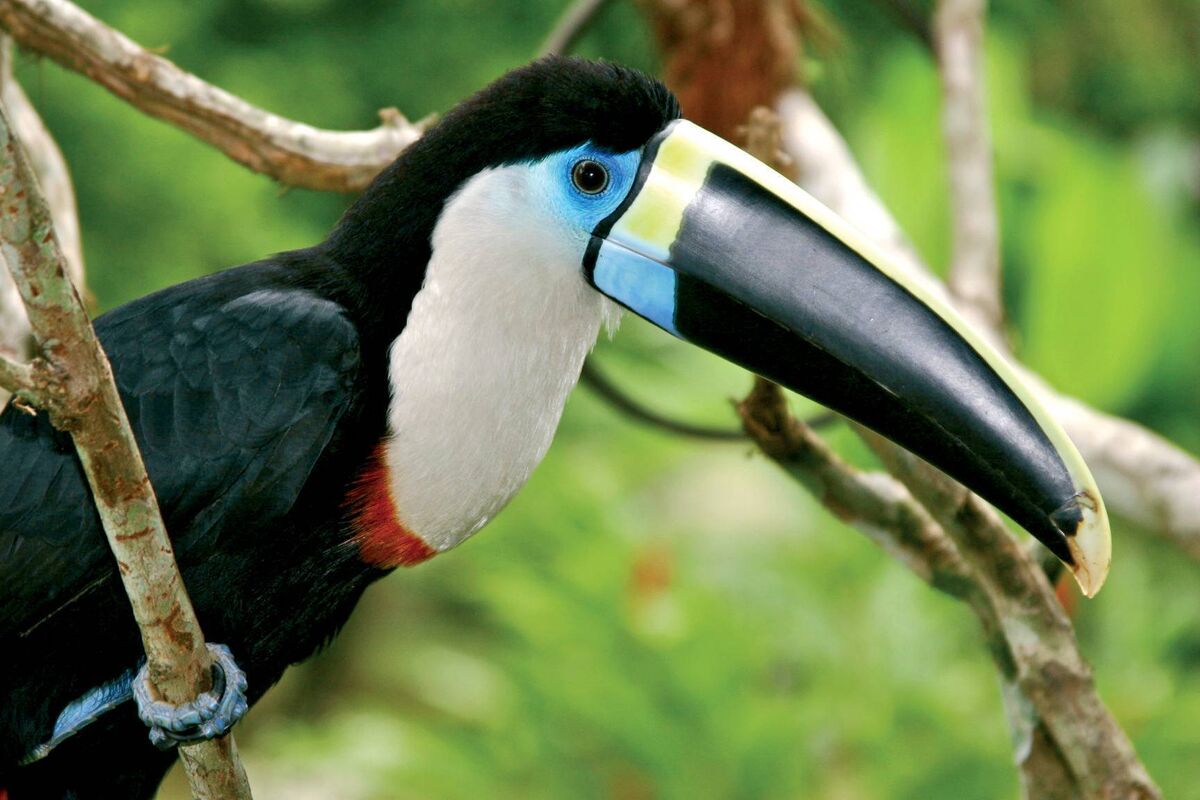
Overhead, a flamboyance of purposely flying squawking macaws, going somewhere only they knew, takes you completely outside yourself; so too do sightings of capped herons and, like the chestnut-eared aracaris, extravagantly coloured toucans. None of this wildlife is uncommon in the Peruvian Amazon but it all feels absolutely precious and provokes visceral responses; everyday material concerns becoming negligible in the face of the rainforest’s immensity, its crucial importance and — the serpent in Eden — encroaching deforestation.
Every boat trip brings random delights. An afternoon excursion paused at a spot busy with a dozen or more large-billed terns (Phaetusa simplex), manically circling and diving into the water. The shoal of small fish galvanising their efforts also attracted pink dolphins, breaking the river’s surface with pop-up appearances before submerging and, unpredictably, reappearing elsewhere. Dallying with them is not a good idea when gothic creatures like electric eels and piranhas are in the murky depths but a place was found for swimming in the middle of the Amazon River — a stretch of it made safe by a riverine settlement — and I now feel a wimp for copping out of this once-in-a-lifetime experience.
Aqua Nera, the cruise boat that became my home for four days, paid attention to details that matter, like the daily collection of laundry and a tea and coffee station opening at 5.30am.
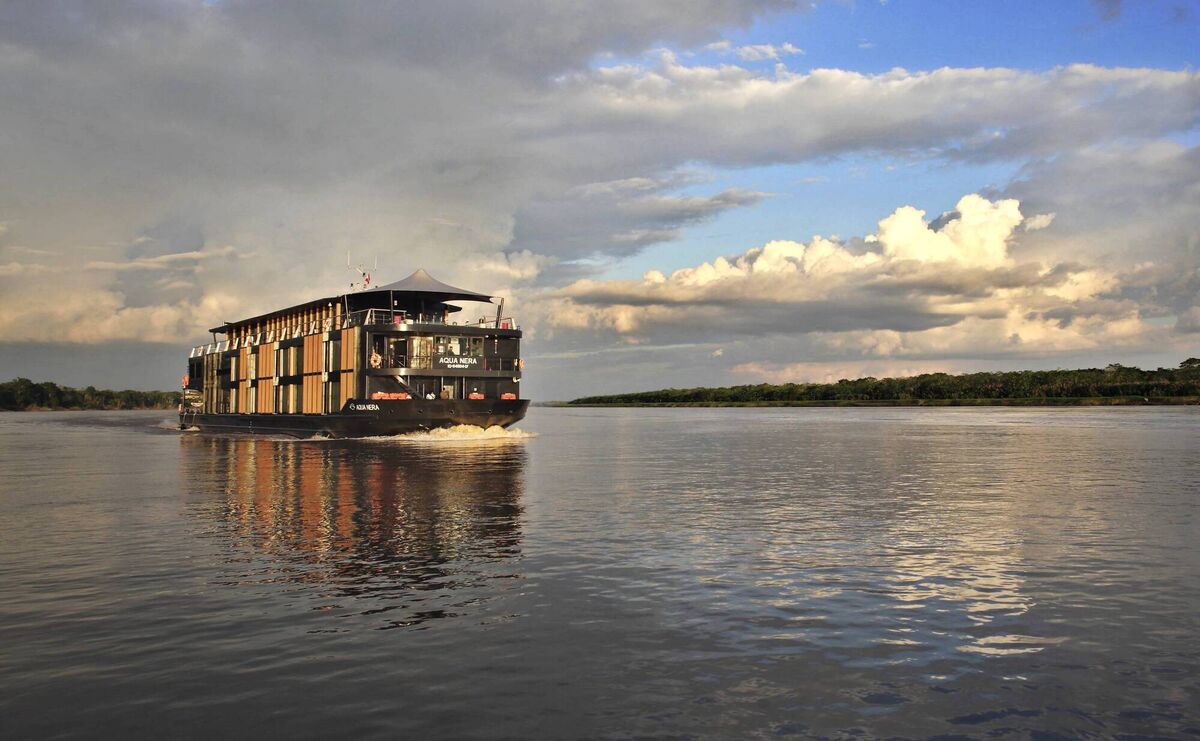
Buffet breakfasts out on deck would have felt hallucinatory were I not firmly convinced that it really was Amazonian jungle dreamily gliding past before my eyes. It was oddly reassuring to sit indoors for other meals, classy dishes served on white linen.
The well-stocked kitchen could produce a mesclun salad, pickled daikon, lettuce hearts or a pumpkin and mandarin cream sauce with apparent ease. Peruvian ingredients like misquina sauce (a blend of herbs and turmeric), charapita (a small but fiery chilli), and cocona (an Andean fruit) brought novelty and flavour to the food and there were other South American tastes, like chimichurri and camu camu, that enlivened a traditional surf and turf or pork wonton.
Served with cecina and wild coriander, a completely new fish for me was armoured catfish (divested of its bony plates and tasting surprisingly mild), though the one I will remember most is paiche. Native to the Amazon basin and renowned for its huge size, paiche’s subtle texture is intriguing and made me wonder if a blind tasting would even identify it as fish.
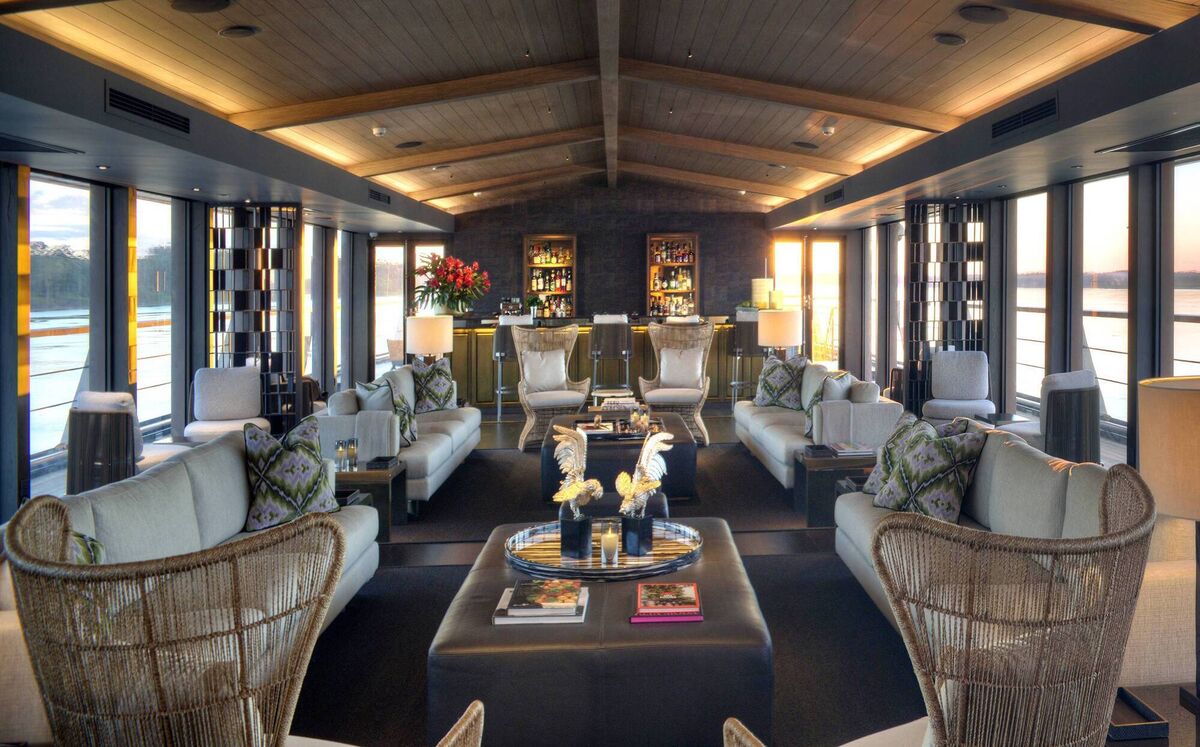
When dining on-board, as throughout the day and evening in the lounge area, wines and beer are included but cocktails and choicer wines are chargeable.
An educational and instructional programme punctuates the excursions, from the preparation of ceviche to learning about the cacao plant and the making of a perfect pisco sour (with one for everyone in the audience).
Most of the time was spent in Pacaya Samiria, the second-largest ecological reserve in the entire Amazon, situated between the Ucayali and Maranon rivers. Covering about one-third of the size of Ireland, some 40,000 people live here, usually in communities close to water, but Peru is also home to vulnerable groups of indigenous people in voluntary isolation. Iquitos, with one road terminating 100km south at Nauta, is where the river cruise begins and ends.
As the world’s largest city only accessible by river and air, it has a frontier personality and only a very small number of cars. People get around on motorbikes with seating attached, resembling tuk-tuks, and there are bustling street markets and shops retailing life’s essentials: fishing gear, machetes, chain saws and smart phones.
I knew that Iquitos in the early 20th century had been a centre of the rubber boom gripping South America but was amazed when the guide who met passengers at the airport told me that it was an Irishman, Roger Casement, who had travelled there by boat and exposed the reality behind the profit-making. Casement laid bare similarities between the atrocities he had earlier reported on in the Congo and the ones committed by a rubber company in Iquitos, and made public his report; I later discovered online that The National Library of Ireland holds receipts from Casement’s time in Peru, including two receipts for beverages purchased on board his boat to Iquitos.
Learning about Casement’s time in Iquitos was a rude awakening to the impossibility of simply separating tourist pleasures from historic pains, a reminder that enjoying the experience of being in the Amazon and glimpsing its magnificence and ecological value should not blind one to the way it continues to be at risk from deforestation, climate change and illegal activities.
- Sean was a guest of Aqua Expeditions. Four-day trips, excluding airfares, start from €3,564 per person
- aquaexpeditions.com
- There are no direct flights to Peru from Ireland or the UK but, connecting in Paris or Amsterdam, a 12-hour flight brings you to Lima and from there it is a 2-hour flight to Iquitos.
- A night or two in Peru’s capital — staying in the Miraflores district is recommended — is worth considering before and/or after flying north to Iquitos.
- The new edition of Lonely Planet’s Peru guide may extend your travel plans further afield. For useful ideas and traveller information on Peru, see also peru.travel.
Bring binoculars, appropriate clothing, and lotions are essential and, despite its weight, I do not regret lugging around a copy of Birds of Peru (Helm Field Guides) or for squeezing into my luggage How to Save the Amazon by Dom Phillips and contributors (2025, Ithaka Press). If known about, I would have also brought Jordan Goodman’s The Devil and Mr Casement: A Crime Against Humanity: One Man’s Struggle for Human Rights in South America’s Heart of Darkness (Verso, 2009).
CONNECT WITH US TODAY



Be the first to know the latest news and updates