Go off course for cultural delights of the Algarve in Portugal's sunlit south
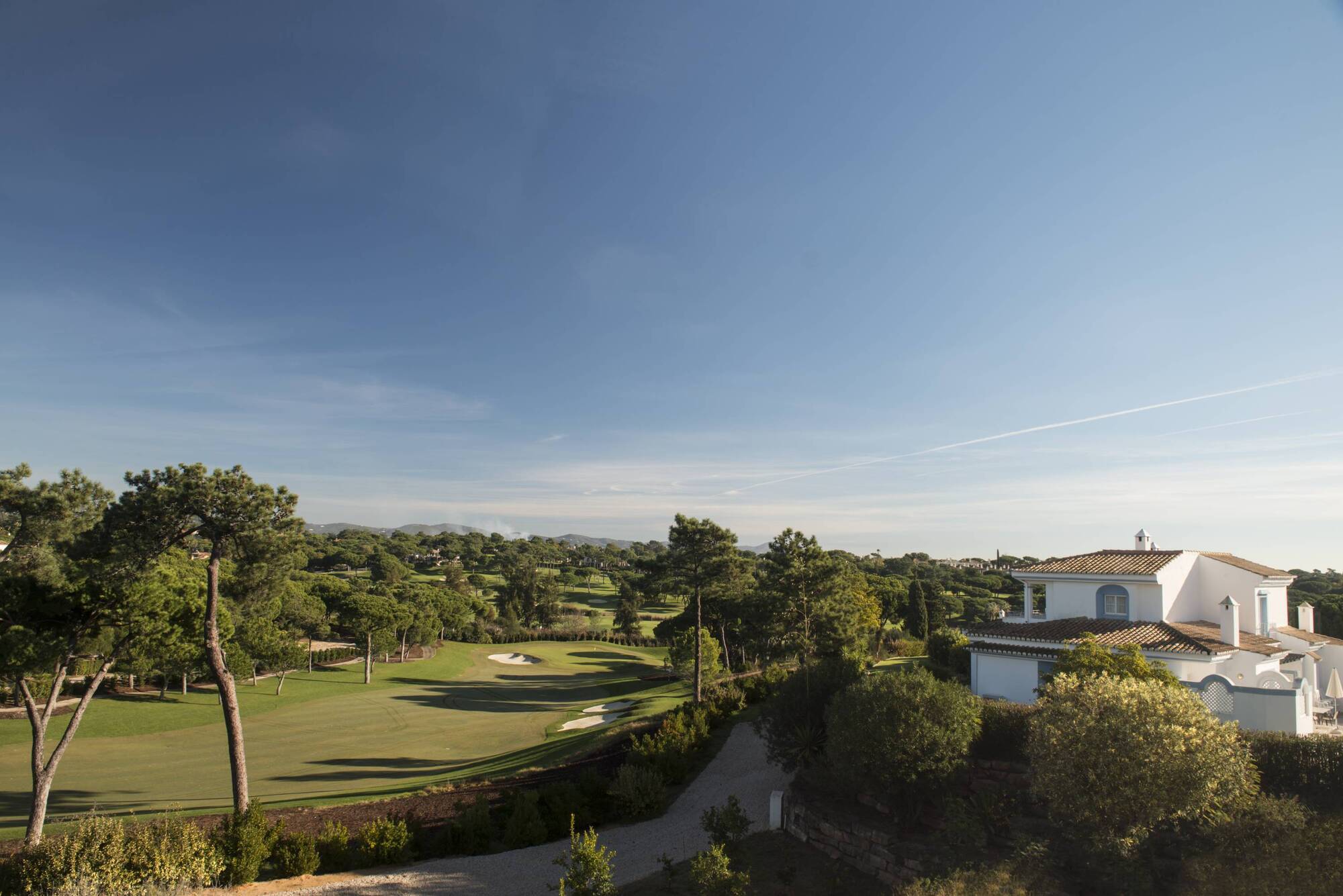
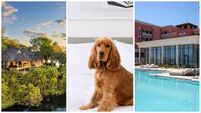
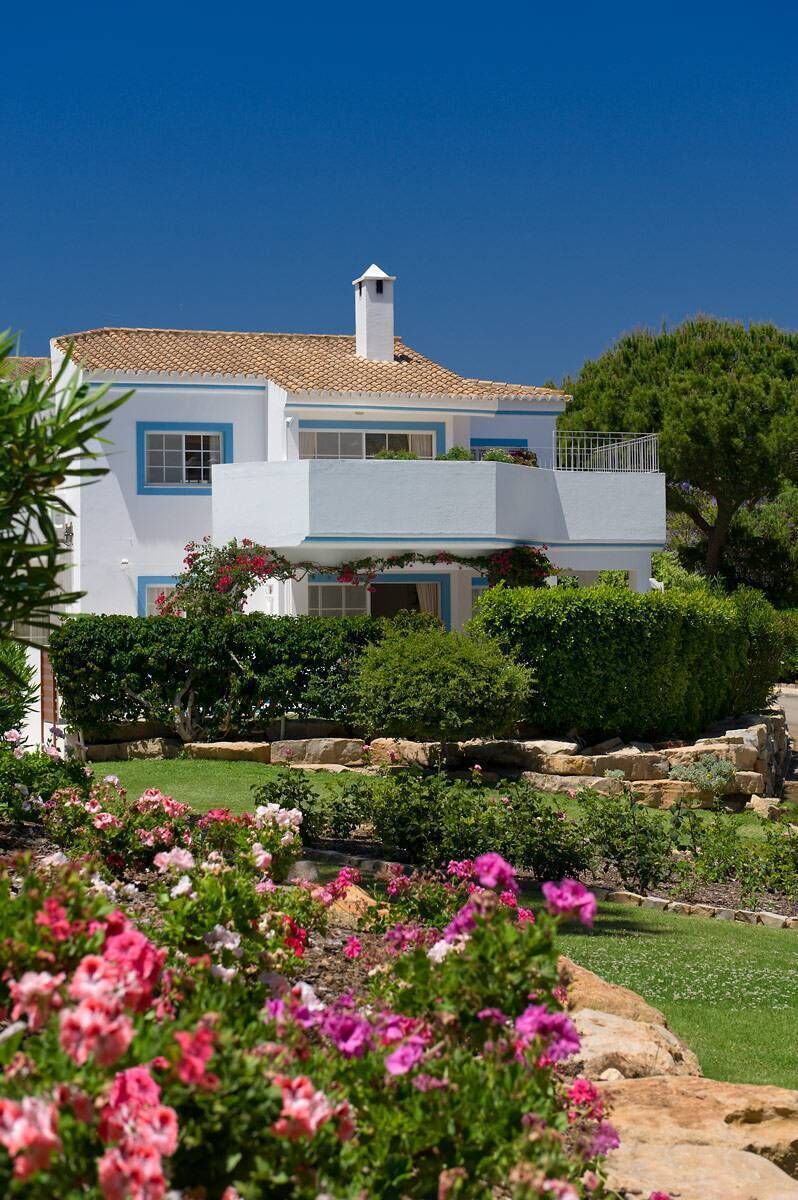
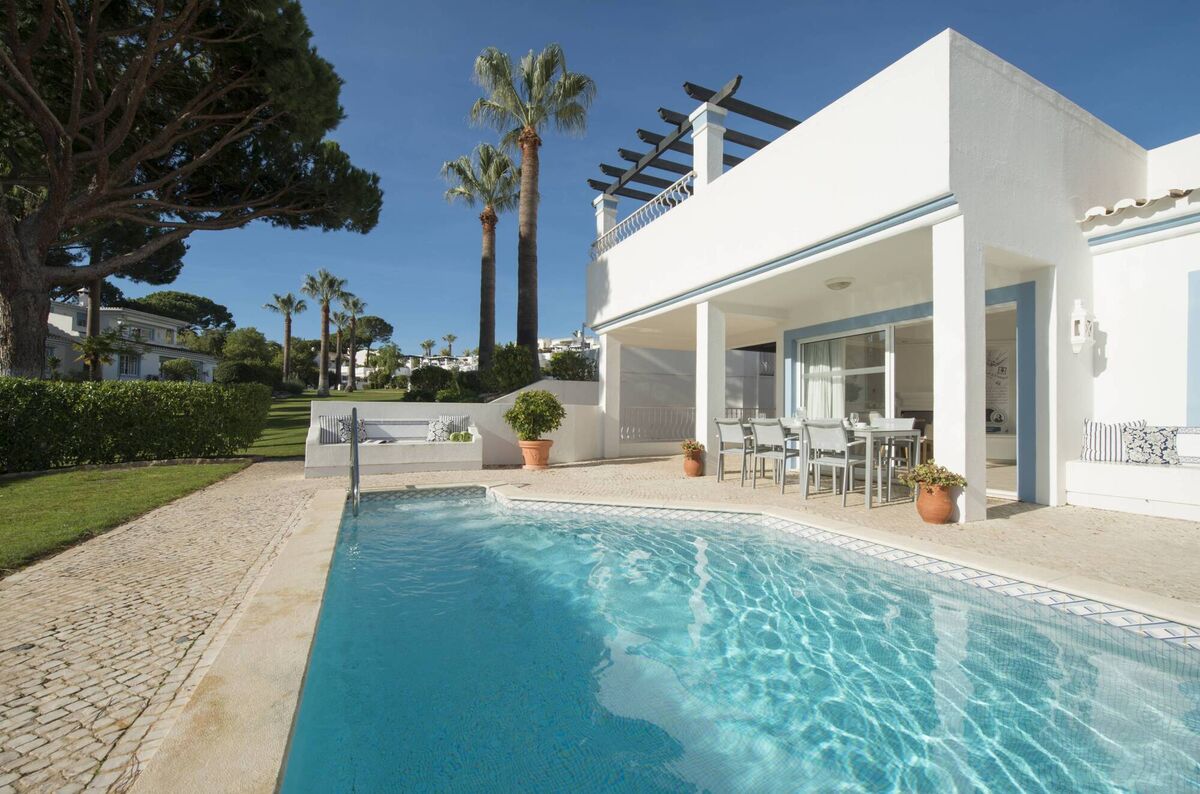
A view of the Four Seasons Fairways resort, with golfing at its heart
It was a bright morning in early December when I landed in Faro’s small, efficient airport. East are historic Algarve towns such as Tavira, while west lie bustling resorts like Albufeira and Lagos. In pretty much any direction, there’s sunshine. I headed 20 minutes down the road to Quinta do Lago, a coastal resort that’s exactly as old as I am.
In 1971, a Polish-Brazilian developer saw the location’s potential for an upmarket golf resort that would fit seamlessly into the landscape. Today, that vision holds: only 9% of the overall area is built, with a strong emphasis on sustainability, biodiversity, and conservation.
Quinta do Lago’s world-class courses attract golfers year-round, but the resort has plenty to offer besides well-manicured fairways. Its weather, location, and superb facilities also make it an attractive off-season training base for elite athletes. Mere mortals have access too, which is how I found myself on one of The Campus’ padel courts, being coached by instructor Henrique Costa in the ways of the tennis-adjacent game that’s currently one of the world’s fastest-growing sports.
The Campus is a massive sports complex ‘built for the elite but open to everyone’, with memberships and short-term passes allowing use of the facilities (tennis courts, an aquatic centre, bike rental, a gym, wellness areas, and fitness classes). Its sunbleached-timber buildings give the whole place a cool, Hamptons-chic vibe and I half expected to see Gwyneth walk by in tennis whites.
Cool and chic I am not. Haunted by past PE class humiliations, I was full sure I’d make a complete eejit of myself at padel. Well, whether it was Henrique’s teaching skills or newfound midlife moxie, it turns out that I’m actually pretty good at padel. It’s simpler than tennis, which doubtless helped, and most importantly, tremendous fun.
I picked up the basics in jig time, and Henrique made sure our group (padel is mainly played in doubles) got the most out of the hour, cleverly building on our skills as we learned them, and progressing us to a full-blown game for the final quarter-hour. It was an absolute blast and so enjoyable that I’ve kept it up since I got home. An hour’s private lesson for two at The Campus is €80, but cheaper group lessons are available. Staying nearby makes for a perfect blended break of activity and flopping by the pool. The Campus also seemed to be a great spot for teenagers to mix, ditch the screens, and enjoy a bit of freedom without parents worrying.
Post-padel, my pals and I bought iced teas at the on-site café and sat sipping them in the sunshine, aglow with satisfaction as we watched budding Gauffs and Alcarazes sweat it out on the courts below. Afterwards, a short bike ride brought us to the Quinta boardwalk, which extends 5km along the Ria Formosa nature park, a lagoon system that runs parallel to 60km of the Algarve’s southern coast.
The boardwalk — which ends at Vale do Lobo but intersects with hiking trails — is an excellent way to enjoy the park’s coastal views and biodiversity, and, crucially, is accessible for wheelchair users and buggies. The park is a twitchers’ paradise, with the protected wetlands home to more than 200 species of birds, along with rare fish, shellfish, reptiles and plants.
It’s deliciously warm as we stroll along the massive footbridge spanning the lagoon’s western edge; the air is briny, the tide is out, and the sands below are dotted with people digging for razor clams. At the bridge’s end, pristine Quinta do Lago beach stretches in both directions. Nearby is Gigi’s, the famous fish restaurant on stilts, shuttered when we pass, but, come March, its terrace is apparently the place to while away a sunset over a bottle of rosé.
As far as fine food goes, it isn’t the only game in town, though. Far from it. Quinta has an abundance of dining options running the gamut from steakhouses to sushi. Also beachside on stilts are The Bold Octopus and, further up, just outside of Quinta do Lago on the sand dunes of Praia do Ancão is 2 Passos, both of which are glass-walled to maximise the panoramic views. At the latter, we enjoyed sundowners of crisp Algarvian white vinho, some deliciously garlicky prawns, and spanking fresh sea bass.
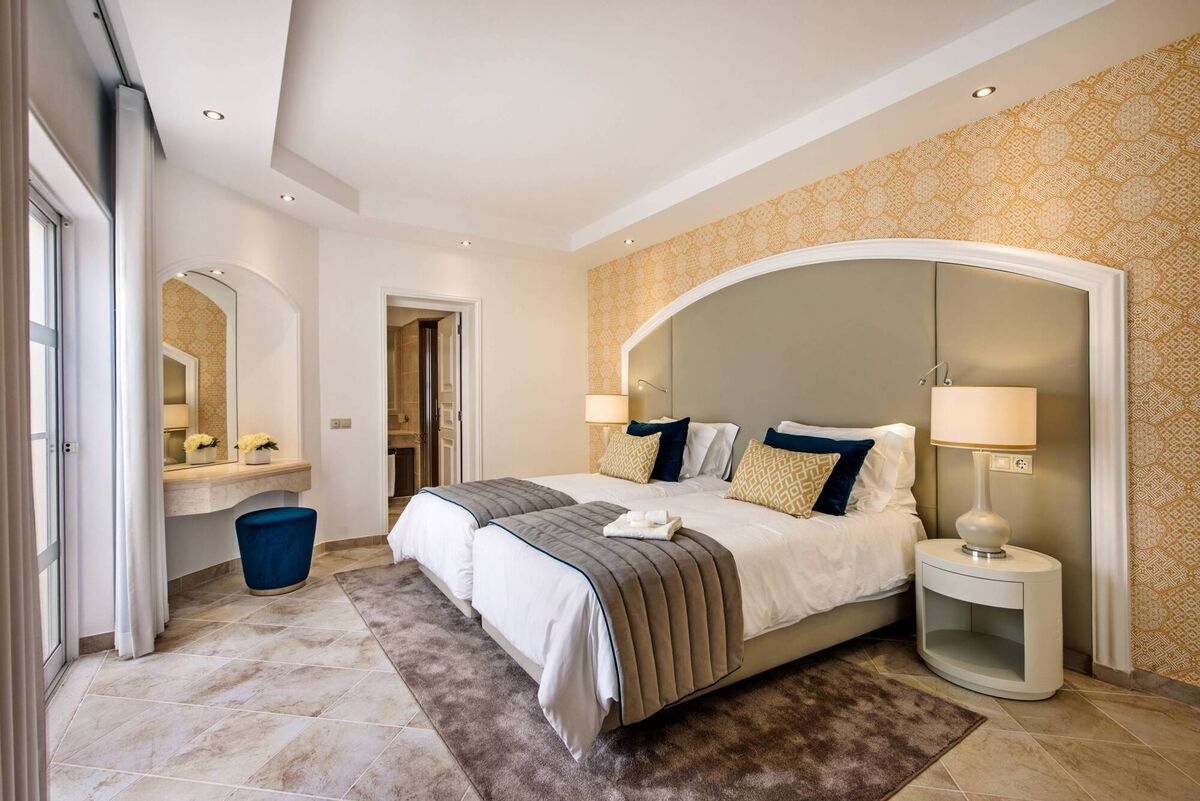
We made it back to our Four Seasons base for a dip in the pool, followed by a Margarita in the bar, and for me, sweet dreams of padel rallies that ended in my favour.
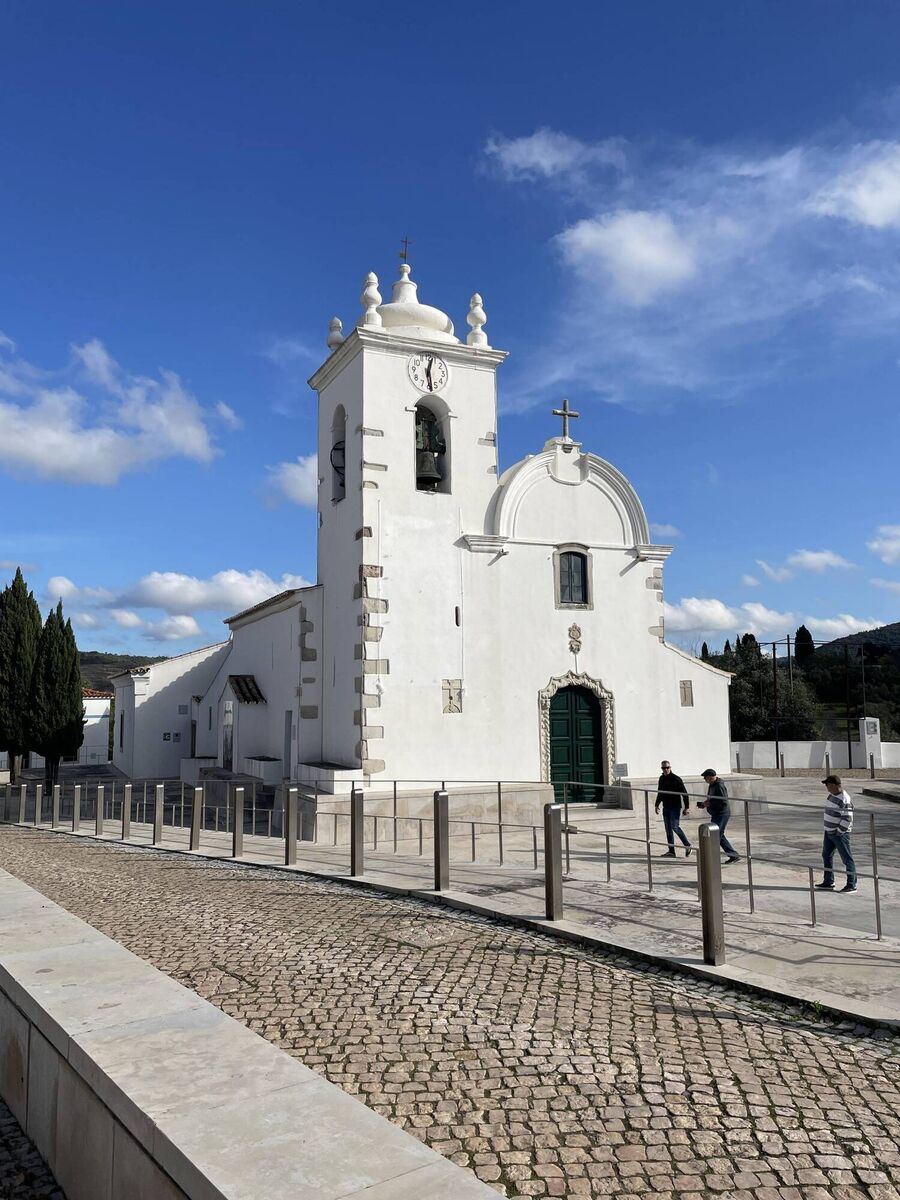
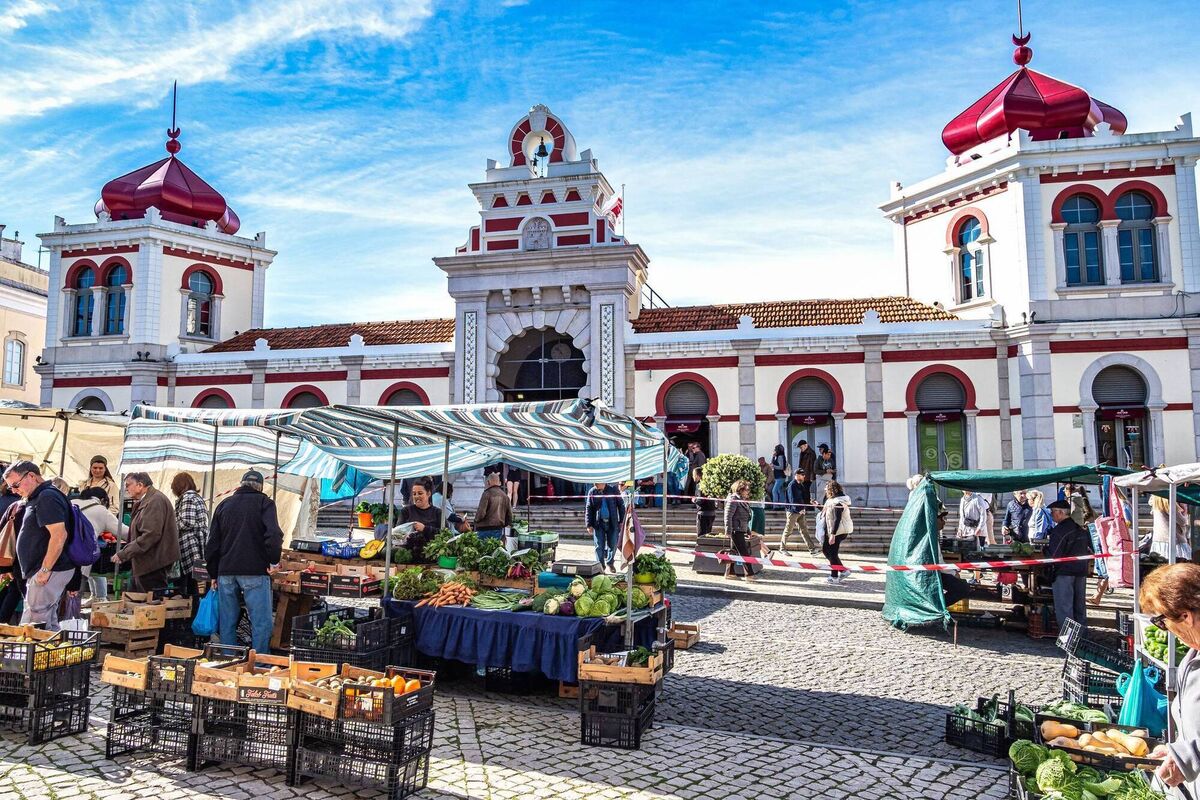
Quinta do Lago is in the municipality of Loulé, and Loulé city is steeped in the history and culture of the Algarve. At the heart of its old town is the Moorish-style Mercado de Loulé, the largest covered market in southern Portugal, and it’s where we meet our guide, Ana Cristina.
It’s a Saturday, and the market bustles with locals browsing for ingredients for that night’s dinner. Sugar fiend that I am, I flit from stall to stall sampling olives, fig cakes, and sweet sips of amendoa amarga, a sublime almond-y Algarvian liqueur.
The Moors brought almonds, fig, and citrus trees here in the 8th century, along with irrigation methods that allowed for their cultivation. (Sadly, the ‘green gold’ of avocado trees are increasingly replacing citrus as a crop.) February is almond blossom season, explains Ana Cristina, and when the magical spectacle of the ‘snow of the Algarve’ — falling almond blossom — rivals Japan’s cherry blossoms for beauty.
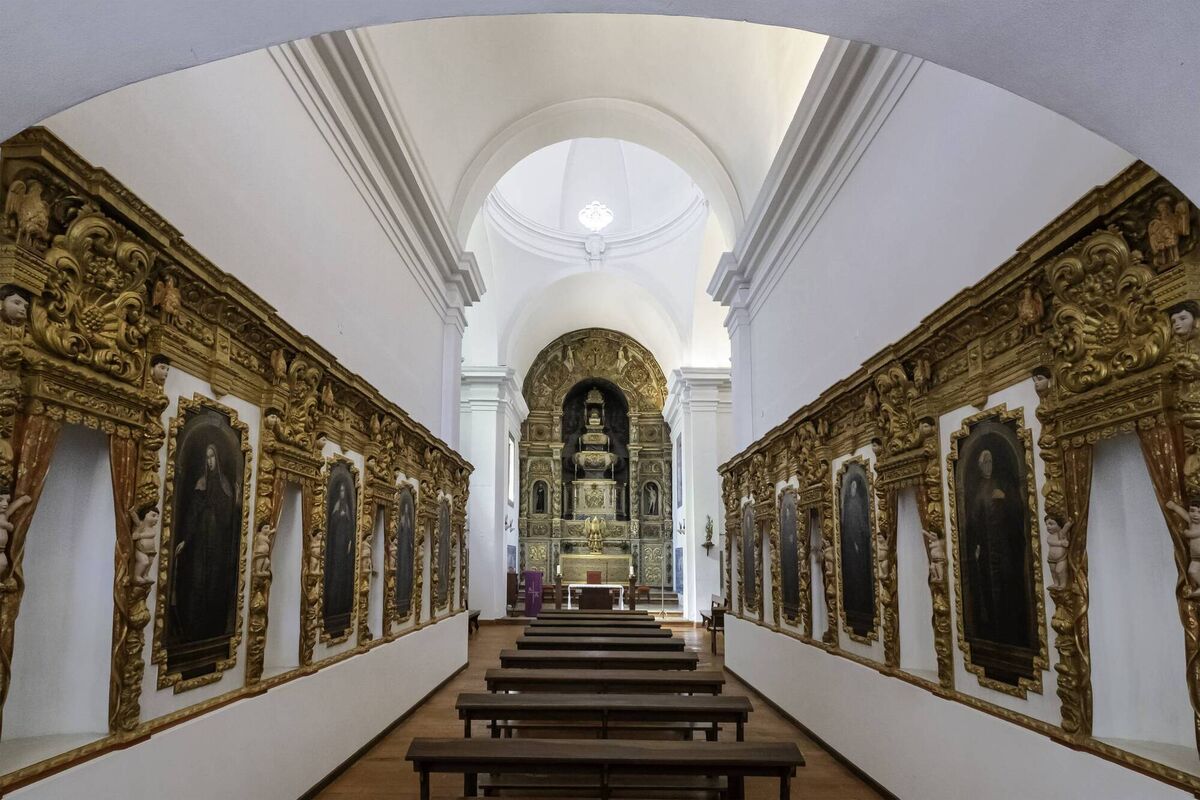
Loulé’s imposing 13th century castle is a short walk away. Its museum showcases the area’s rich history, while an impressive view of the city and countryside greets us at the top of one of its three castellated towers. Opposite the castle, lunch awaits at Restaurant Aurora. Despite my earlier nibbling, I’m hungry and lucky I am because this food deserves it: suckling pig croquettes; shrimp with Jerusalem artichoke and toasted almonds; cockles with leek and miso. It’s Portuguese food, elevated.
After lunch, Ana Christina brings us to the Islamic baths, accidentally discovered during excavations in 2006, and of huge archaeological relevance. They’re the 12th century version of a spa, and offer a rare window into the life of the Islamic people who once lived in Loulé.
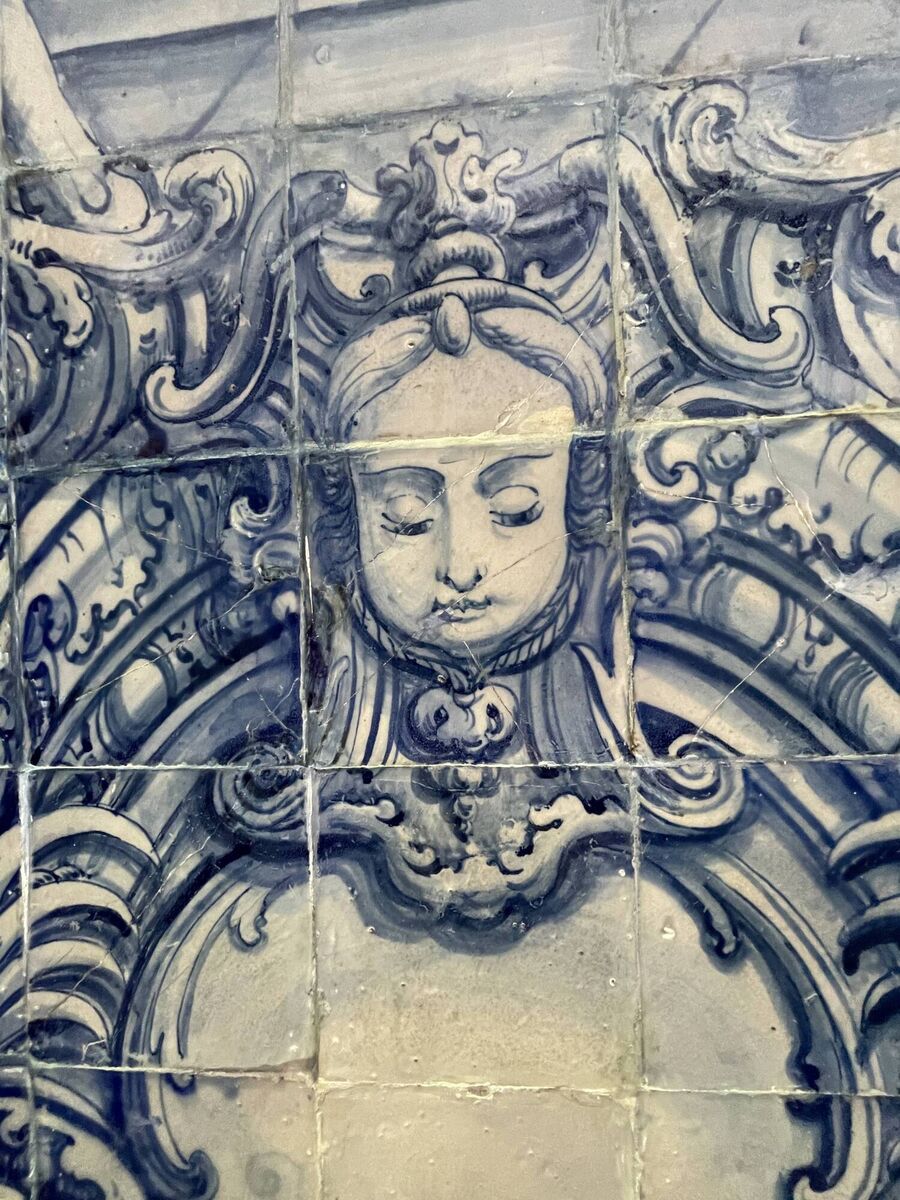
Then it’s time for a bit of make and do. The Loulé Criativo project was set up to keep the area’s traditional crafts alive. Workshops and courses of various durations are on offer, with options ranging from traditional palm weaving and azulejo tile painting to cookery. We had the opportunity to make traditional fig and almond treats under the tutelage of Ana Figueiras, whose enthusiasm for the ingredients and their history, as well as the method of making them into treats, had us all getting all stuck in with gusto. Our clumsy efforts in some way approximated Ana’s originals, but the real pleasure was in the doing — and the eating afterwards.
Quinta is walkable and bikeable, but a car makes sense for exploring further afield. There are hiking and walking trails galore, and one of the loveliest is Fonte da Benémola. It’s a half-hour drive away, in the direction of Querença, where a small car park marks the start of the walk. The fonte itself is a natural spring and somewhat underwhelming, but the joy here is in the journey, not the destination. The track is flanked by meadows of wildflowers, while olive, almond, carob, and citrus trees provided dappled shade as we strolled along.
It’s another one for the twitchers, too, with the golden oriole, the hoopoe, and the kingfisher all making appearances at various times of year, while the river shelters salamanders, frogs, toads and otters, and springtime sees tiny orchids flower in the lush limestone valley.
It’s just lovely and worked up a fine appetite for lunch in nearby Cortelha. Casa dos Presuntos (literally ‘ham house’) is a family-run roadside restaurant serving traditional Portuguese food, including cabidela chicken (fowl stewed in its own blood); wild boar stew, and grilled octopus. It’s all very rustic and tasty, and it doesn’t escape our notice that the place is absolutely packed to the gills with locals, always a good sign.
From there it was a short drive to the historic Quinta da Tôr winery where Bruno gave us a tour followed by a tasting of four of their wines. Plan to spend half a day here if the sun is shining, as there’s a glorious pool and you can linger long over the wine, and soak it up with local bread and olives.
Quinta do Lago surprised me. I’d expected sunshine and beaches (and got them) but scratch the surface and there’s so much more. One thing’s certain: I’ll be back for the padel.
- Gemma Fullam was a guest of Four Seasons Fairways, Quinta do Lago, Algarve, Portugal.
Seven nights in a two or three-bed villa or apartment with swimming pool or Jacuzzi range from €1350 to €5050 on a self-catering basis. For more information and offers visit www.fourseasonsfairways.com
Also visit www.visitalgarve.pt
Four Seasons Fairways has a heated outdoor and indoor pool, plus an outdoor children’s pool; two tennis courts, a fully equipped gym, and a wellness centre.
The resort’s clubhouse offers two different dining styles: Vivo Bistro & Cocktail Lounge and Amara Restaurant. A take-away menu with delivery at your villa is also available. The onsite grocery store also offers a delivery service.
Four Seasons Fairways’ guests are entitled to reduced green-fees for the majority of the courses. Discounts vary between 20% and 52% with other special offers available. The resort can also organise car hire and transfers from the airport.
The Campus Quinta do Lago, see www.thecampusqdl.com
Loule Criativo Trilogy of figs workshop, €35pp, see www.loulecriativo.pt
2 Passos, see www.restaurante2passos.com
Casa dos Presuntos, see Instagram @_casa_dos_presuntos_
Quinta da Tôr winery, see www.quintadator.com
Getting to Faro: Ryanair flies direct from Dublin, Cork and Shannon airports; Aer Lingus flies direct from Dublin and Cork airports. Some routes are seasonal.


CONNECT WITH US TODAY



Be the first to know the latest news and updates