Memento mori: A look at Waterford's Irish Wake Museum
""The whole experience, while sensitively handled, also very much taps into the Irish gift for black humour — the reception desk is in keeping with the building’s theme: it’s in the shape of a coffin"
Memento mori: A look at Waterford's Irish Wake Museum

The Irish Wake Museum, Waterford: a reminder of death, and life's importance. Photo: Patrick Browne

Death comes to us all — a fact that we can’t avoid, much as many of us would like to. However, along with a wholly understandable squeamishness when it comes to the details of our own demise, it’s fair to say the Irish psyche is also ingrained with a fascination of death and its associated rituals. We pride ourselves on the particular ways in which we mark the passing of a loved one, and there is a comfort in the way Irish people come together as a community on such occasions. The Irish wake is a long-held tradition which allows us to grieve our dearly departed, while also celebrating their lives. Religion may have receded somewhat in importance in daily life in Ireland, but the wake is still an integral part of how we mourn our dead, and its associated practices, such as keeping watch over the body from death to burial, are still faithfully observed in many places.
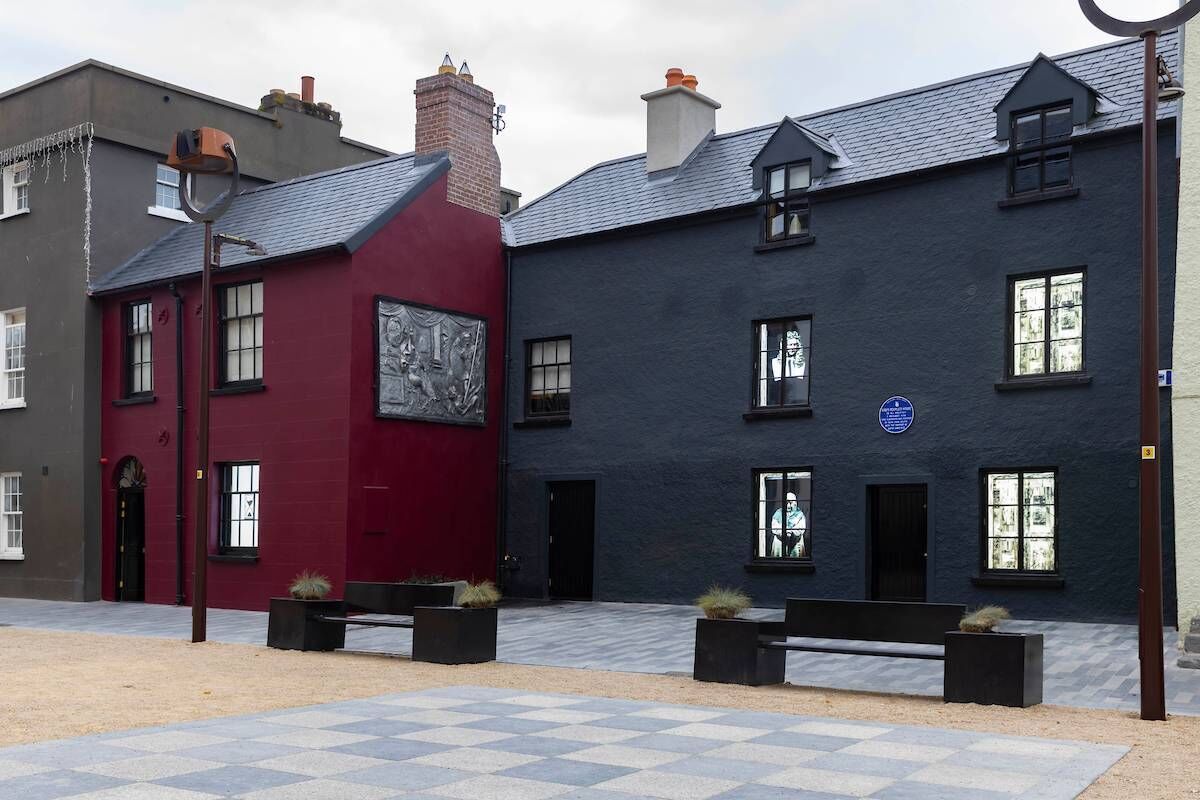
These traditions are explored and celebrated at the recently opened Irish Wake Museum in Waterford city. It may strike some as a morbid or depressing focus for an entire museum, but it’s an inspired choice in many ways. The wake has long been a source of fascination to those outside Ireland, and a museum with such a unique selling point should appeal greatly to tourists and the diaspora.

The exterior of the Irish Wake Museum, Waterford. Photo: Patrick Browne

Indeed, Waterford could teach some other cities a thing or two when it comes to the enhancement of its public realm and preservation of its cultural heritage in general. Ireland’s oldest city is home to an impressive array of museums which honour its history, from the Viking era to the present day. All these museums are located in the city’s wonderfully compact Viking Triangle — Reginald’s Tower dates from 914 and is Ireland’s oldest civic building; Ireland’s only purpose-built Medieval Museum is acclaimed for its award-winning architectural design; the Bishop’s Palace, built in 1743, houses treasures from the 18th, 19th and 20th centuries; and not forgetting the Irish Silver Museum, which opened in 2021. The Irish Wake Museum also serves as a natural companion to one of the other recent additions which is open nearby; when finished with your visit to the Irish Museum of Time, what could be more apt?

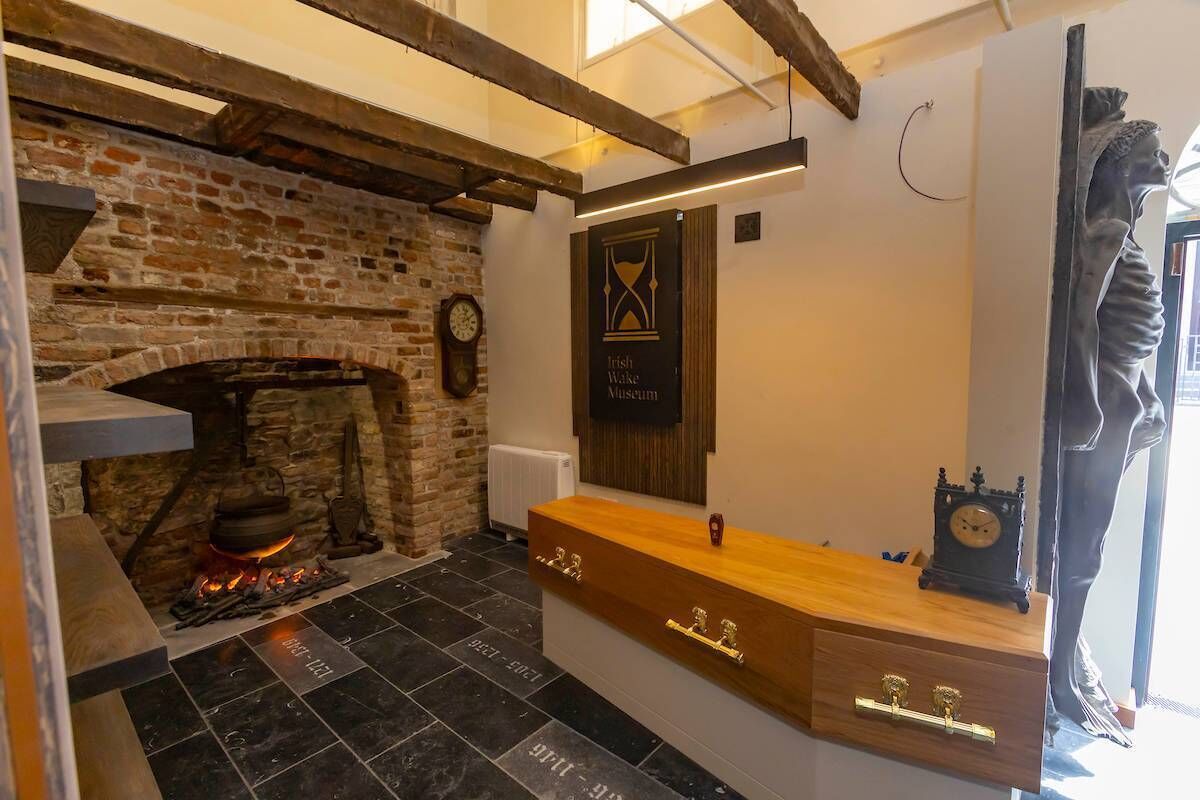
The symbolic juxtaposition of life and death, darkness and light is particularly obvious when I visit, with the sun splitting the stones outside as I approach the museum with some trepidation. It’s a good sign that on my first glimpse inside, I can’t help but laugh. The whole experience, while sensitively handled, also very much taps into the Irish gift for black humour — the reception desk is no bland example of Nordic minimalism but is in keeping with the building’s theme: it’s in the shape of a coffin.

The reception area at the Irish Wake Museum, Waterford. Photo: Patrick Browne

Like the museum itself, this inspired idea came from Eamonn McEneaney, director of Waterford Museum of Treasures. McEneaney began his career as a teacher before taking his passion for history in a different direction. He has just retired from his post as museum director, so it was fitting that the celebrations surrounding the opening of The Irish Wake Museum were also a way of acknowledging his incredible legacy to his beloved city.

The building where the museum is housed has a fascinating history in and of itself. It is considered to be the oldest urban domestic building in Ireland, and was formerly an almshouse which was used as a retirement home for older people. In a fitting coincidence, it was founded in 1478 on All Souls Day, November 2, the Day of the Dead, and the occupants would have paid for their keep by praying three times a night for the souls of the building’s patrons as well as the deceased citizens of Waterford. 

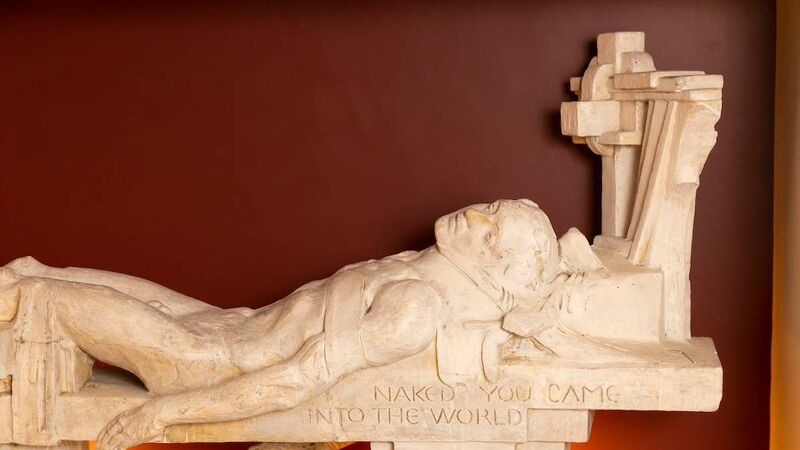
The reception is located in what was once a shop, which helped maintain the almshouse. There are many striking visual touches, such as the flagstones on the ground which are inscribed with the dates of a typical Viking lifespan, or the bell above an inscription of John Donne’s famous poem that is rung — or should that be tolled? — to indicate the start of the tour.

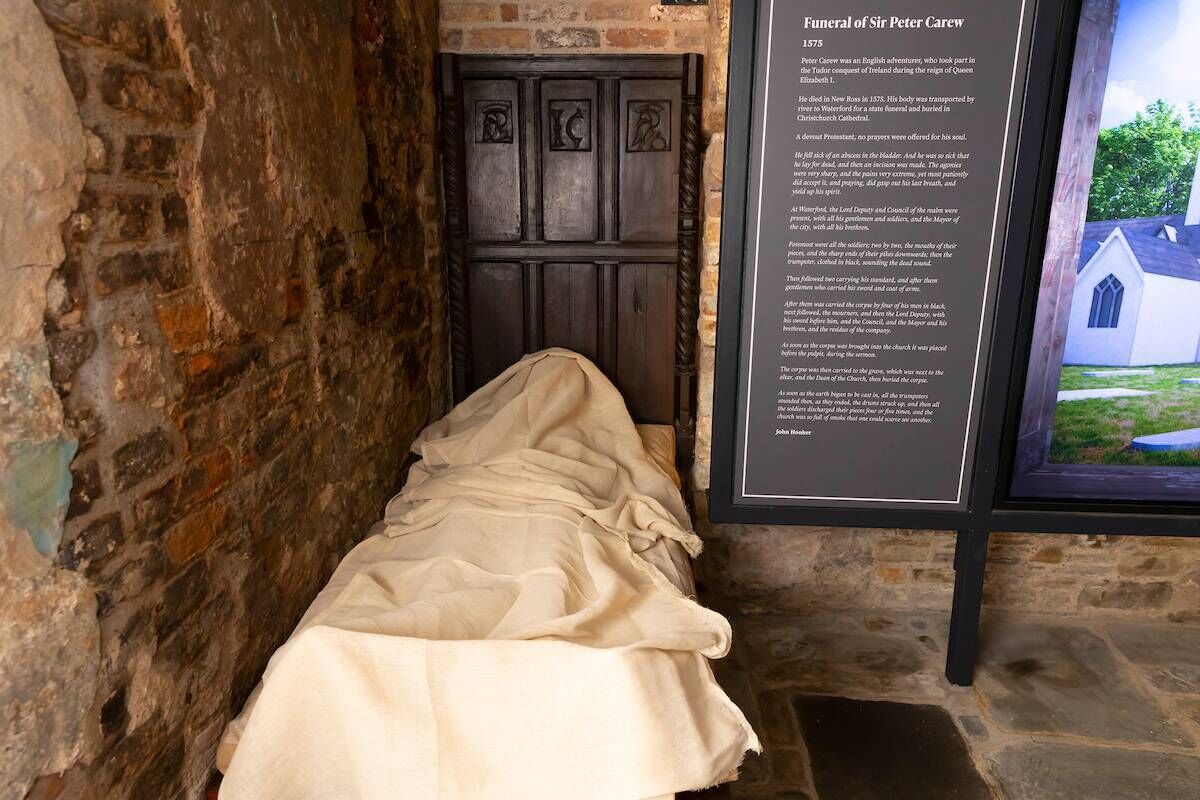
A corpse in shroud, at the Irish Wake Museum Waterford. Photo: Patrick Browne

REJOICE IN LIFE

After an audio-visual presentation which traces the Irish experience of death since the beginning of history, we are left in the capable hands of tour guide Jamie Murphy. Murphy skilfully inhabits the persona of an old-time undertaker who offers a sharp perspective on the exhibits. His impressive storytelling skills greatly enhance the tour experience as he takes us from room to room, looking at different themes of death on a chronological journey from the 15th to the 20th centuries.
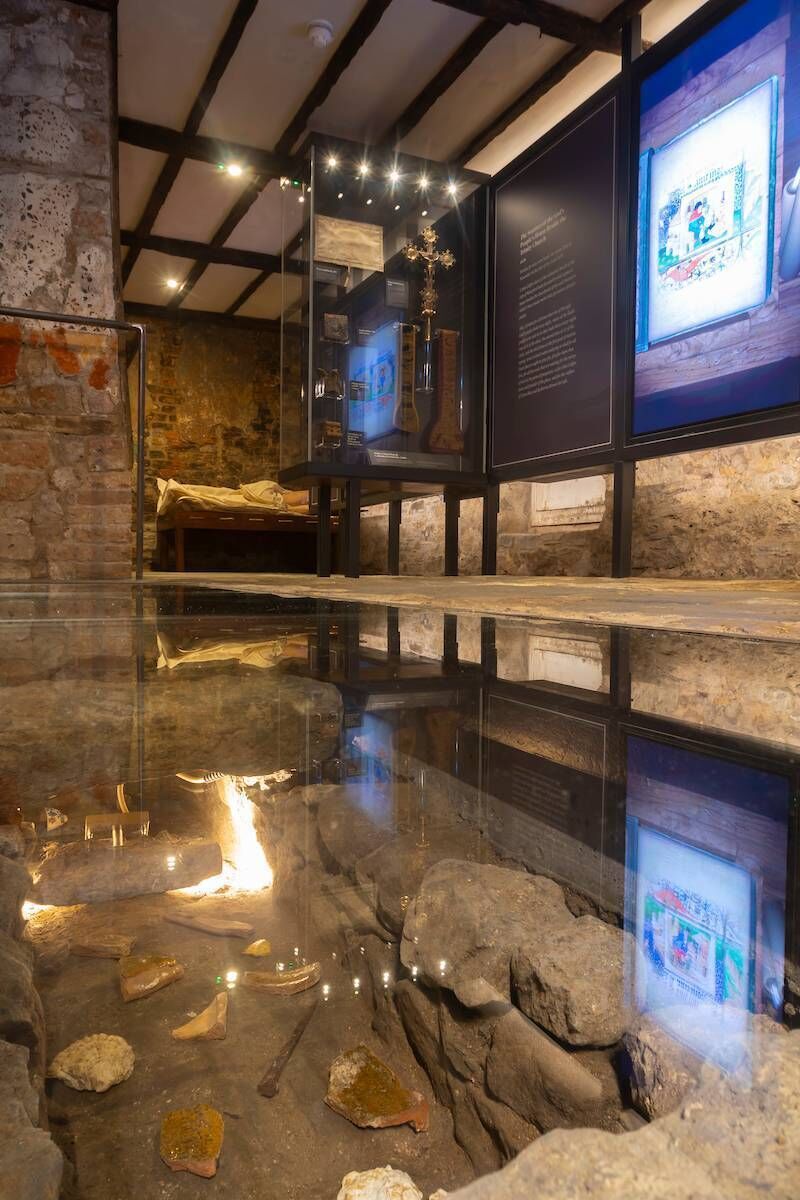
The museum showcases a collection of objects associated with death in Ireland which it has assembled over the last ten years. This includes the death mask of Luke Wadding, a Franciscan friar and the son of a wealthy merchant, who lived from 1588 to 1657. It is believed that he is the man ultimately responsible for St Patrick’s Day becoming a day of celebration in the religious calendar.

Given the subject matter, the museum’s exhibits are laid out and presented in a sensitive manner, but there are areas which may be upsetting for some, and the museum on its website recommends that the tour is not suitable for children under 14. Many will find the room that outlines the shocking incidence of child mortality in previous times particularly poignant, given the heartbreaking reality which lies behind those facts and figures. Through the 1700s, as many as a fifth of newborn children died in the first weeks of life. Fever, measles, influenza and smallpox were rife, pushing this figure even higher in bad years. 

Some of the items on display at the Irish Wake Museum, Waterford. Photo: Patrick Browne

High child mortality was a problem in all classes, but especially among the poor. Infant abandonment was also common, adding to the toll of child mortality. The museum exhibit features a record from the diary of Margaret Dobbyn of Ballinakill House in Waterford, who, in 1791, wrote: “A female child was left on the steps of our street door at night, a corking pin was run in the thigh in order to make it cry, and the child was sent to Dublin.” 

As we reach our final destination (thankfully, not that one) on the top floor, we encounter the undertaker’s late lamented maiden aunt (also thankfully, a mannequin) who is laid out in her bed, with coins covering her eyes, as was the practice in a bygone age. It is believed this was done to prevent post-death spasms from causing the eyelids to pop open. A more symbolic explanation that predates Christianity is that the coins represented payment to the ferryman of Hades, the Greek god of the underworld, who was responsible for carrying the souls of the deceased over the river that separated the world of the living from the world of the dead.

The exhibition ends by urging people as others have for centuries to Memento Mori — remember death — and follow George Bernard Shaw’s advice to rejoice in life for its own sake. Or, in the words of that great philosopher, Andy Dufresne, in The Shawshank Redemption, “get busy living or get busy dying”.

Of course, an Irish wake as a celebration of death would not be the same without the water of life, uisce beatha, and to this end, the museum has partnered with the award-winning Waterford Whisky to offer a combined Wake and Whisky experience. (No word of a similar arrangement with a snuff manufacturer that would embody another old Irish saying.) This tradition of toasting the dead is also reflected in the song that marks the conclusion of the tour. As I look out the window of the top floor, out on to the sun-dappled Cathedral Square, the haunting strains of the traditional Irish farewell tune The Parting Glass playing over the speakers, it’s hard not to feel that when it comes to death, the Irish also hit the right note.

  • Further details and tickets at www.waterfordtreasures.com and in keeping with the spirit of the founders of the almshouse, Waterford Treasures will donate €1 from each ticket to the Waterford Hospice Movement.


x

More in this section

Lifestyle

Newsletter

The best food, health, entertainment and lifestyle content from the Irish Examiner, direct to your inbox.

Cookie Policy Privacy Policy Brand Safety FAQ Help Contact Us Terms and Conditions

© Examiner Echo Group Limited