A French Riviera buzz with a Balkan twist — is Montenegro the new Croatia? 
Would you plan a trip to this culturally rich and affordable patch of Europe?
A French Riviera buzz with a Balkan twist — is Montenegro the new Croatia? 

Croatia’s smaller Balkan neighbour is fast building up a reputation of its own as an essential travel destination, writes Thom Breathnach

If Croatia feels like the new Italy, then could Montenegro, its smaller neighbour to the south, be emerging as the new Croatia? It’s hard to scroll through Instagram these days without spotting someone living their best life on the beaches of the Adriatic — but rather than enjoying the shores of Rimini or Puglia, it seems we’re taking to Dubrovnik, Hvar and Split just as much.

But what do the southernmost climes of the Dalmatian coast offer? This summer, I took a flight to Dubrovnik as a gateway to discover Montenegro’s unheralded highlights.

Following my take-off from Cork, I arrive at my gateway of Dubrovnik on the most sweltering of July nights on the Adriatic. Given my evening arrival, the so-called pearl of the Adriatic made for an ideal first night base, particularly for my friend, Carolyn, who had never visited the city before.

I’d visited the region a decade ago, but bussing up the coast to its city limits, I’m soon arrested by how utterly stunning the region is. Resort hamlets twinkle in the dusk while out in the sea, superyachts and galleons illuminate the waters.

There’s a French Riviera buzz with a Balkan twist here, not least when the Old Town of Dubrovnik emerges over the headland.

Rural scenes in Montenegro

On a budget and with just one night in the city, we book a €60 Airbnb in the lofty Kono district of Dubrovnik which means super views and a short downhill jaunt to the Old Town. This historic centre itself is jaw-droppingly stunning, almost like a medieval Disneyland full of Love Island beauties and the next morning we enjoy a glorious seafront brunch at Gradska Kavana Arsenal and a leisurely dip at city beach before catching the Balkan equivalent of the Aircoach south.

It’s backpacker central at the city’s bus-stop but we’re soon on the air-conned refuge of our coach and winding down the Adriatic. It’s only 40km from Dubrovnik to the Montenegrin border but with summer traffic and a double disembarkment at each country’s border crossing (you are leaving the EU, after all) it’s a couple of hours before we earn the passport stamp. 

When I visited Montenegro ten years ago, I stayed in the country’s main Adriatic resort of Budva so for a slightly more unplugged experience, this time I opted for the historic town of Kotor, set in a mountain-flanked bay not unlike the Norwegian fjords.

I’ve checked into many Airbnbs in my day but arriving at our Kotor Old Town base via a moat bridge and the town’s epic south gates surely ranks as the most epic. After winding through the Kotor’s fabled cobbled lanes, and navigating a few napping cats, we finally find our medieval apartment and solve the keypad entry like we’ve just cracked the Da Vinci code.

Evening street life in Kotor

The bolthole, with shuttered windows and thick exposed walls is a fairytale base not least with our terrace view overlooking the terracotta-topped roofs of Kotor. The town itself almost has a Mykonos charm (without the foam parties) and that evening we enjoy seafood risottos at one of the town square taverns while live jazz and local wine soothes our souls.

The next morning, we’re off on a Montenegrin road-trip and after trawling Google for an affordable car, I find myself on the harbour sealing the €65 deal for convertible Peugeot from a chap named Mario. The 200K on the clock probably explains the price but that’s more a cause for reassurance than concern as we wind up the epic Kotor Pass, Balkan CDS procured from the petrol station bargain bin offering us a fitting soundtrack.

Winding up the 30 breathtaking hairpins of the serpentine route, we arrive at our first attraction, the Mausoleum of Njegoš, where literary great and national hero Petar II Petrović-Njegoš is interred. I’d been inspired to view the site after viewing a Montenegrin Eurovision video (not my typical source of travel tips) but it lives up to the drama in reality; its setting overlooking the Dinaric Alps combines both a natural and architectural wonder. Not least when a peregrine falcon whooshes past me at speeds which would make my Peugeot blush.

Mausoleum Montenegro

Afterward, it was time to enjoy a well-earned lunch in the mountains of Montenegro and where better to dine than in the country’s oldest restaurant, Kod Pera na Bukovicu. The road-side tavern, which punctuates the roadside a little like Moll’s Gap, was established in 1881 and serves its guests with two simple specialties: locally smoked pršut, a Montenegrin prosciutto with a little more bite that it’s Italian counterpart, and Njeguški cheese (akin to a moreish Manchego). Served on the terrace with olives, fresh bread and small tumblers of white wine, it’s the most satisfying pitstop to any Montenegrin road-trip.

Following the relief of returning my convertible to Mario in one piece, the next morning we left our coastal stint and made tracks for perhaps one of Europe’s lesser-known and certainly least visited capital cities, Podgorica. We arrive there after traveling down the coast to Budva before winding up in Montenegro’s mountainous centre.

Podgorica, roughly the size of Limerick is a historic yet low key crossroads and with temperatures hitting 40º Celsius, few locals are braving the walkways. We disembark at the bus-meets-railway station, booking our onward tickets to Serbia from a clerk who could be a doppelganger for Rita from Coronation Street going ‘out out’.

Tom's Airbnb in Podgorica

Podgorica is one of Europe’s cheapest capitals and €40 get us a centrally located twin room with balcony views over grape vines in the garden and the mosque next door. Out in the city there is an architectural mélange of Orthodox churches, Communist era office blocks and new era street development which almost appears like an unplugged Rodeo Drive. 

Following a day of dining on bus snacks, we dine at traditional Montenegrin restaurant Pod Volat before heading to Bar Berlin where young locals are belting out the Balkan classics to a live guitar-playing crooner. We may have lyrical FOMO but we toast what has been an incredible few days in this culturally rich, beautiful and affordable patch of Europe.

Montenegro hot spots

Stari Bar: The city of Bar, not far from the Albanian coast, may not be the most popular tourist spot but its old town known as Stari Bar is an ancient urban wonder. Set on scenic foothills 5km from the new town, the medieval centre features a monastery, best viewed at sunset.

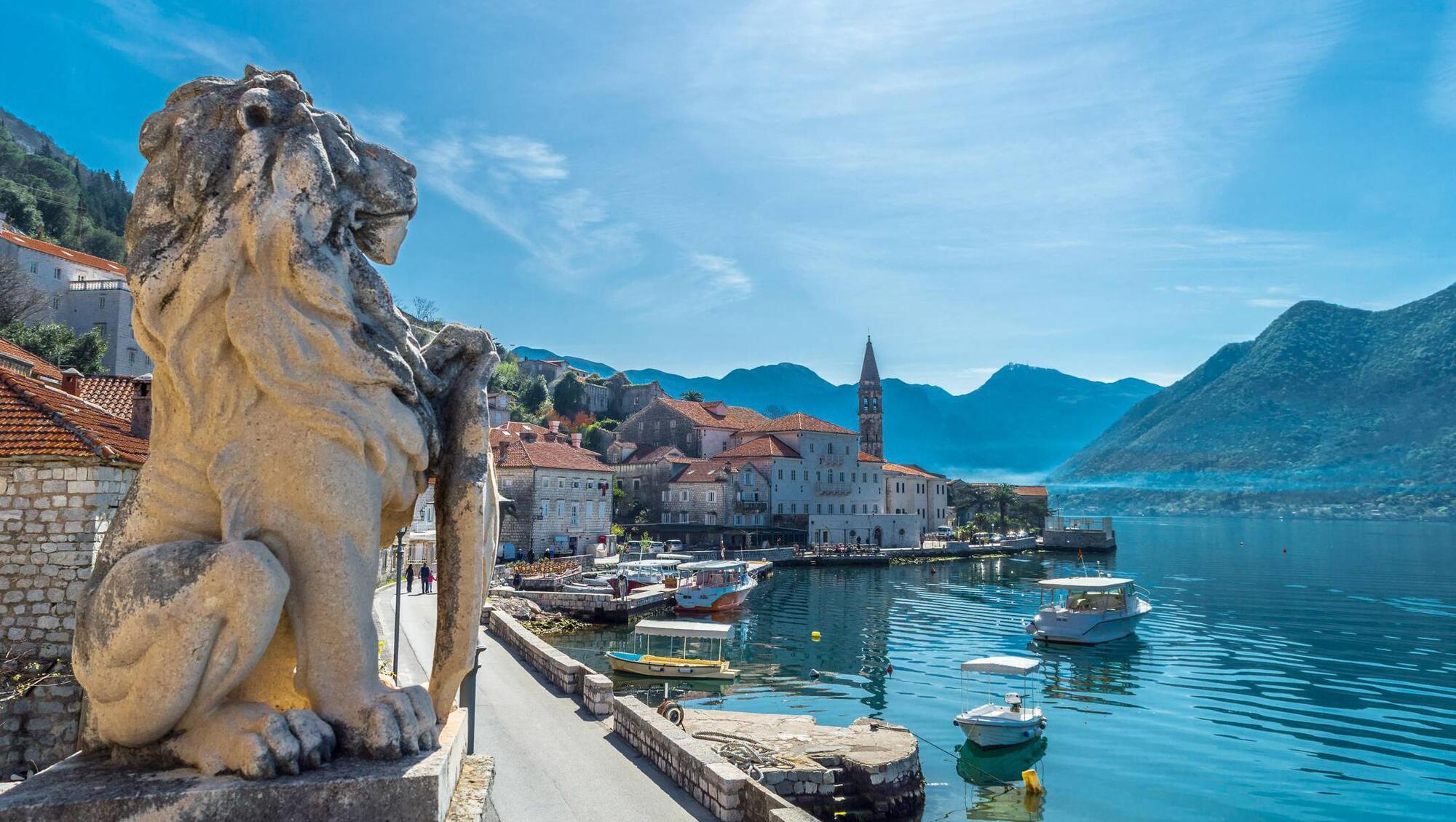
Perast: The Bay of Kotor is much more than its eponymous town. Just 5km north of the bay’s main hub is the postcard pretty settlement of Perast. It’s also a great option to base yourself and while there, ogle the church islands on the bay.

Sveti Stefan: Perhaps one of the most beautiful spots to enjoy a swim in the Adriatic, Sveti Stefan is a jaw-dropping islet just south of Budva. The site is attached to the mainland by a tombolo and while it’s a private hotel resort nowadays, the spit of land acts as a north and south facing beach for the most idyllic bathing.

Porto Montenegro: Check any Balkan inflight magazine nowadays and you’ll find condo adverts for the region’s newest real estate hot-spot, Porto Montenegro. The resort lies close to the Croatian border and is great to people-watch for the Balkan bold and the beautiful. Book into luxury new hotels such as the Regent Porto Montenegro or maybe even invest in your own holiday escape! Adriatic dream pad, anyone?

Biogradska Gora: For a tiny country, Montenegro packs a biodiversity punch, not least due to its smallest national park. Located in the north of the country, it contains some of Europe’s last remaining primeval forests and one of just three rainforests on the continent. It’s a 90 minute drive from Podgorica and with hiking and mountain hut camping makes a dream for more intrepid trekkers.

Get there

  • Aer Lingus fly to Dubrovnik year round from Dublin and operate an extremely popular summer service from Cork which ends this month and returns next Easter. From Dubrovnik, there are several bus operators heading south to Montenegro.

x

More in this section

Lifestyle

Newsletter

The best food, health, entertainment and lifestyle content from the Irish Examiner, direct to your inbox.

Cookie Policy Privacy Policy Brand Safety FAQ Help Contact Us Terms and Conditions

© Examiner Echo Group Limited