It's no secret that rural Ireland has had to work to overcome the worst of the Covid-19 crisis and its legacy, with communities all over the country pooling resources and abilities to adapt to a world that’s changed after a traumatic time for us all.
While towns and villages have been boosted by changes in working conditions and a resultant increase in work-from-home populations, two natural pillars of the regions’ post-Covid rebound have been tourism and culture, taking advantage of local areas of historic and natural interest, as well as increased investment in local infrastructure improvements.
The Boyne Valley is one such case — the ancient capital of Ireland; the area is rich in monuments, architecture, and natural splendour that reach deep into our shared prehistory. But when your writer and his partner — two of those horrible vegans, you understand — saw our itinerary for a trip from Cork, it dawned on us that we were in for something special as we hit the road for Dunboyne Castle Hotel on a Friday night.

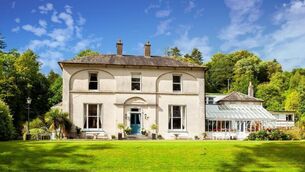
Set among a sprawling acreage in the Meath countryside, the hotel extends from a Georgian mansion built on its namesake’s site, and into a full, 145-room facility with ample short walks and hidden features that your writer’s partner found to be ideal Instagram fare — but it was a vegan-friendly linguine served up as part of the Ivy’s restaurant’s specialist menu that left us talking.
Saturday morning started off with a trip to the hotel’s Seoid spa, with a thermal suite where a hydrotherapy pool — including a steel bed to get the best of the bubbles — served as the main attraction, alongside an outdoor hot tub and several side rooms. While the sauna was just a tad tropical for our constitutions, much lounging was to be had in the facility’s two laconia, setting us in good stead for the road ahead.

Change is coming
“Of course we need hope, but the one thing we need more than hope is action.”
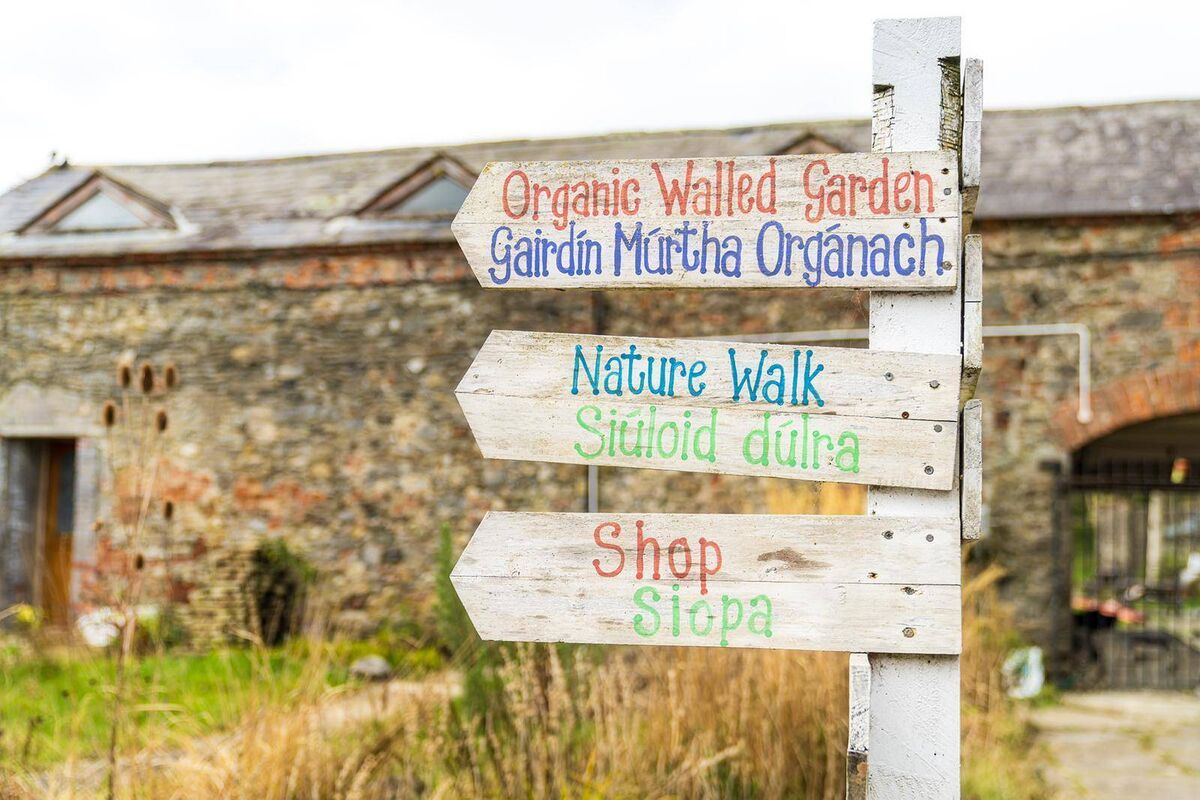
A mural on the walls of the Sonairte eco-centre speaks to the immediacy of the climate-change situation, and the facility itself speaks to the endurance of the environmental movement’s original values — founded in 1988, Sonairte (“positive strength” in middle-Irish) promotes ecological awareness and sustainable living, “an idea whose time has come”, according to co-founder Dr Kim Reilly, who gives us the tour.
The beautifully ornate Elements courtyard, full of wildflowers, art, and garden accoutrements based around the theme of the four elements of nature, leads through to an eco-shop full of local produce and sustainable kitchen and bathroom items, and out to a vast sprawl of gardens and orchards including a 200-year-old Clearheart apple tree that’s the last of its kind in Ireland, and a long walking trail that takes in ample scenery and woods nearby, and views over the River Nanny, before concluding at the other side of the centre’s main yard, where a kids’ playground in the making nestles alongside a recently-reopened cafe specialising in vegetarian and vegan fare.
A big Beyond Burger with chips, and a café-style panini with veg and vegan cheese hit the spot in fitting form, and the young staff were suitably enthused about the solutions the facility has pioneered against the backdrop of climate change.
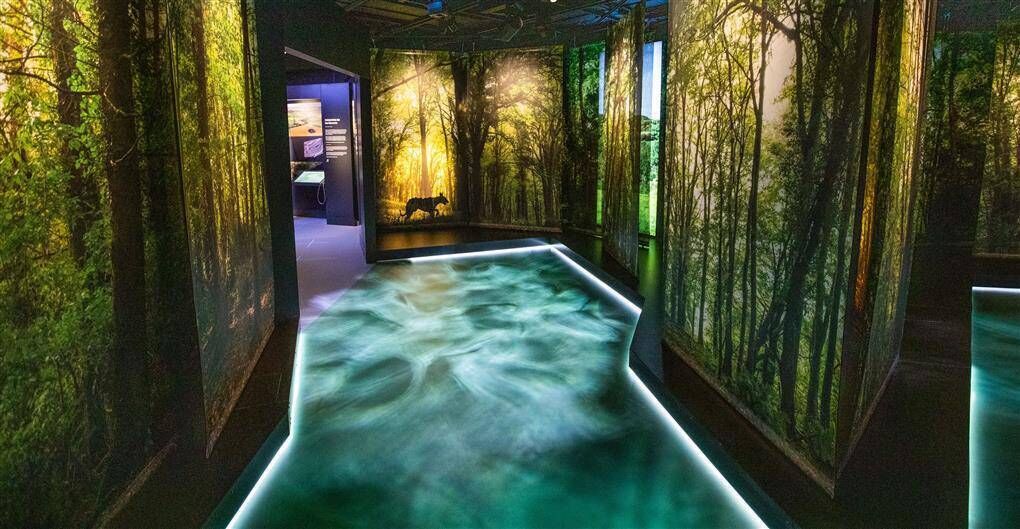
Our journey took us next to Brú na Bóinne, a Unesco World Heritage Site and the home of prehistoric Megalithic tombs and monuments including Knowth, Dowth, and Newgrange. The tour is incredible, with a visitor’s centre featuring an immersive multimedia exhibition around the site’s discovery, its decades-long excavation and its preservation, and for those of us for whom a school tour never came to the Boyne Valley, it’s a revelatory experience.

A shuttle bus took us first to Knowth, where stones bearing legends and symbols many thousands of years old prop up tombs and ceremonial chambers. Our tour guide was a veritable font of knowledge as we navigated around and over the site, fielding questions from one tourist in particular who had been waiting since the 1960s for an opportunity to visit from Australia.
The gentleman in question fulfilled a lifelong dream as the tour moved to Newgrange, and as we moved, heads bowed by a low ceiling, from its reconstructed entrance into the atrium of tombs at its heart, it was impossible not to be overcome with a sense of connection to our ancient forebears.
We stood where they stood, observing the stonework and marvelling at the scale and purpose of it all, as an entertaining and engaging tour guide set the tone for a simulation of light hitting the tombs, as it does at summer solstice. It’s a humbling experience that any Irish person should undertake at least once in their lifetime.
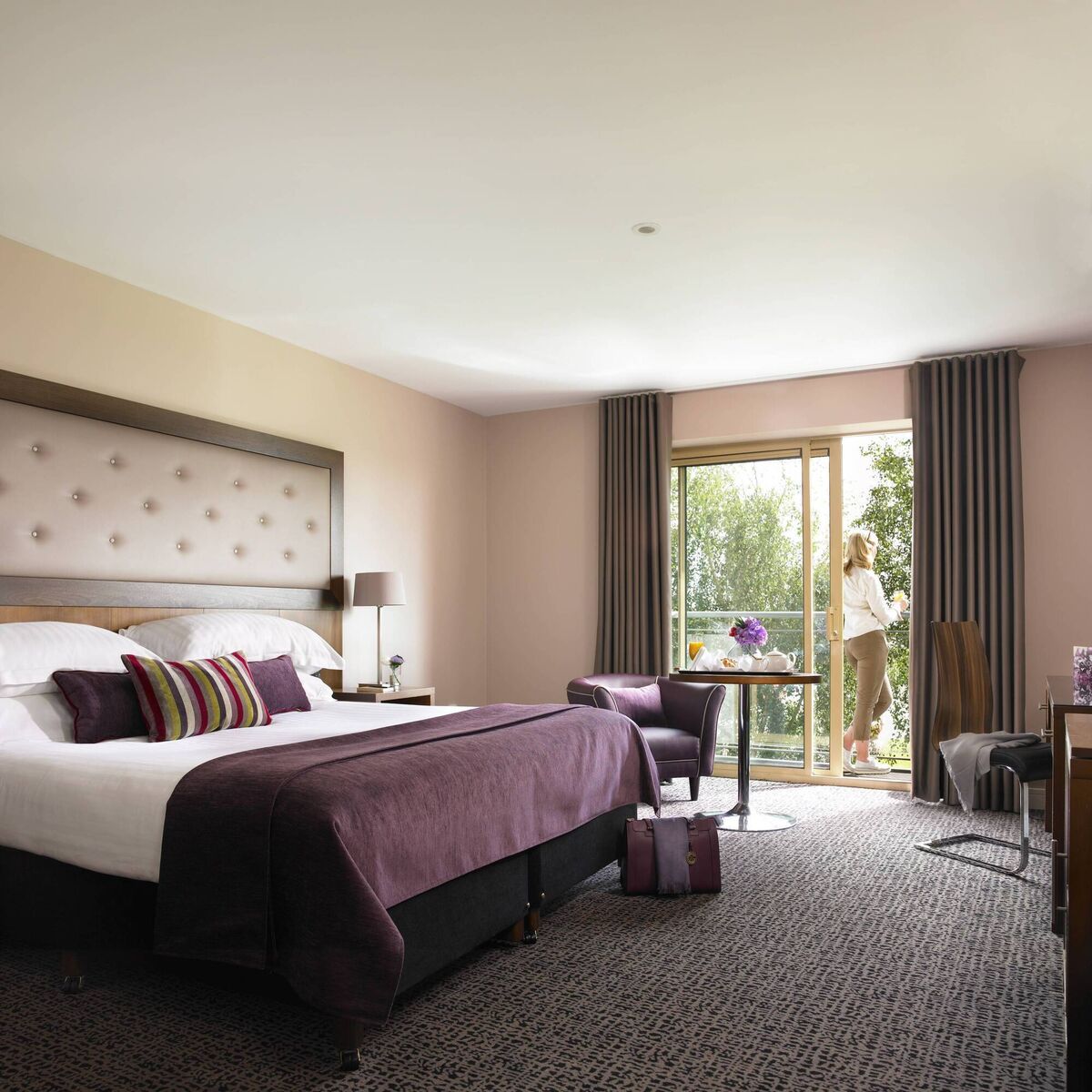
An overnight stop at the Village Hotel in Bettystown was a pleasant end to our Saturday evening, close to the beach and buzzing with activity from a birthday party as we checked in. The rooms were spacious and airy, with a generously-spaced bathroom being a godsend after a day’s driving and walking.
Dinner downstairs at the Village Restaurant was three courses, and the star of the show was a substantial and savoury vegan-friendly Thai red curry, which, along with a few drinks, had us in the form for an early night.

Living history
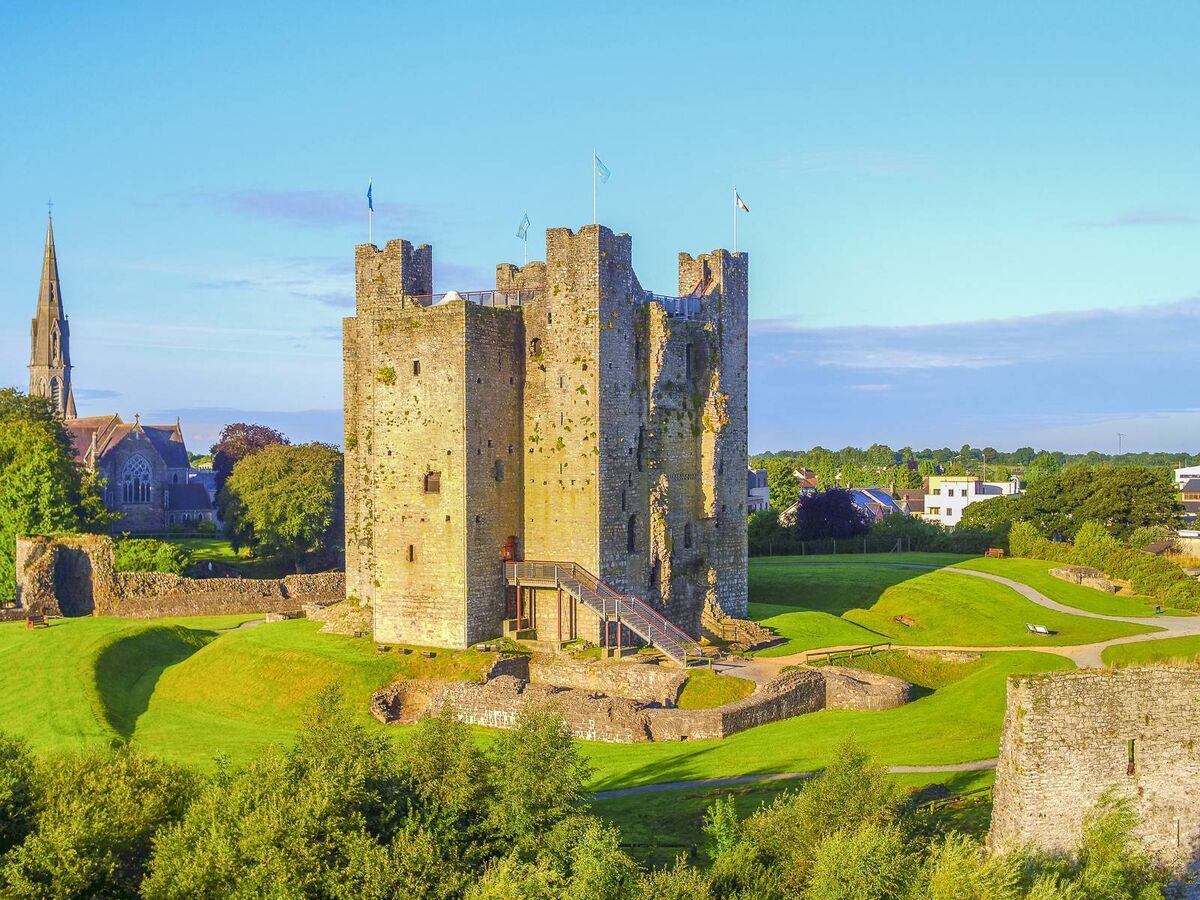
By the time we got to Trim early on Sunday morning, the heavens were threatening to open above us, but as we met with tour guide Cynthia, the elements held off, allowing us to avail of the full tour of the newly-opened Porchfield trail, linking Trim Castle, a medieval colonial outpost replete with immaculate Crimean cannon, with the Newtown monuments — a large medieval cathedral, two monasteries, and small church which date from 1206.
Cynthia herself is a veritable fountain of local knowledge, regaling us with stories of ancient mythology and recent institutional histories, as well as the wealth of plantlife nearby, from planted poppies to wild herbs like yarrow and meadowsweet, as well as the historic first-aid uses of the latter. The trail itself makes for an easy, picturesque walk that you can do in around 90 minutes, ending on the open allotments of the Porchfields themselves before rejoining the town.
Cynthia did us the courtesy of a walk back to the Trim Castle Hotel, where we took in some of the charm of the town centre’s houses and had a look at the town’s statue of the Salmon of Knowledge, replete with pics of our thumbs on its stony scales for wisdom, before loading up for the afternoon at the hotel’s Barista café.
A bright, naturally-lit hotel café that specialises in the lunch and dinner staples, the vegan options include a burrito bowl, and a burrito wrap with Sriracha sauce — the latter of which was well-stuffed, savoury and much-appreciated before the last stop of our whirlwind tour.

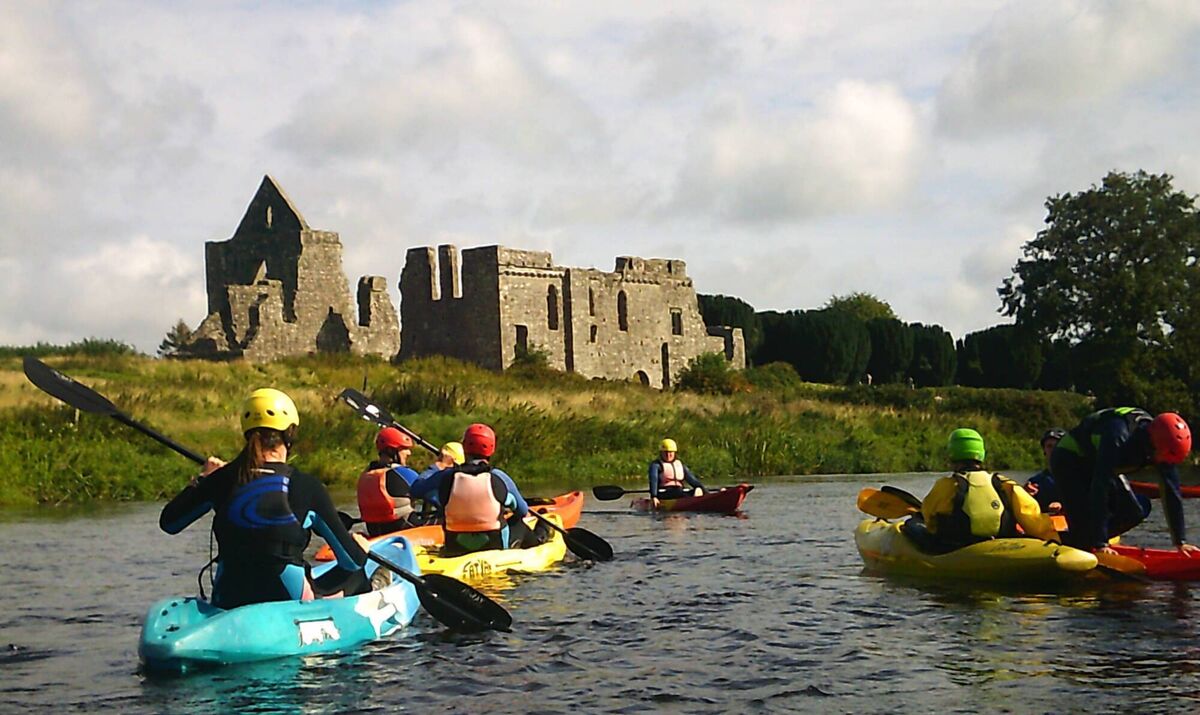
We pulled up to Boyne Valley Activities in Trim, and after running for a swim-cap for the water, we were ready for the changing rooms and negotiating our way into wetsuits ahead of a kayaking excursion down the Boyne itself. An eight-kilometre session in a small boat seemed daunting at first — especially after initial attempts saw your writer doing a 180-degree turn into the reeds — but after getting our bearings and overcoming the first set of rapids, it’s a wonderful sail down a calm river and under various bridges and viaducts, flanked by picturesque scenery, and brimming with natural life, from ducks tailfeathers-up in the water, to cows lazing at the banks.
As the session goes past its halfway point, a light rain stops and starts, creating an ideal ambience for being out on the water and watching the world go past in the few-second interludes you have while keeping yourself afloat. It keeps up as we head back to base and decamp to the Boyneista cafe overlooking our starting point — adding an impeccable vibe of calm to wind us down after a trip through history, via the future.
- Mike was a guest of Boyne Valley Tourism for this trip. For more information, visit Discover Boyne Valley.
CONNECT WITH US TODAY
Be the first to know the latest news and updates