Is it time to rethink our obsession with the culture of positivity?
celebrates procrastination and having a bit of a moan, in the same way so many journals scream positivity
There's a new diary out which is a tongue in cheek response to the culture of positivity. It's called and celebrates procrastination and having a bit of a moan in the same way so many journals scream positivity. Written by Millie O’Neill and published by Octopus Books it’s a journal that embraces mindlessness, procrastination, laziness, ingratitude, and bad habits. It puts the 'pro' in procrastinate and is a guided anti-journal for people who like themselves just the way they are.
It’s a fun take on the ‘always happy’ way of life that is so heavily promoted these days — but behind its jokiness is a real message. There has been a small but vocal backlash against what some mental health professionals are calling Toxic Positivity in recent months and there has begun to be a shift away from the need to be permanently happy. Constant joy and daily gratitude lists seem like a big ask of anyone at any time but this year in particular it seems truly impossible. If we're all expected to be constantly grateful, positive and optimistic, what happens to your sad or negative feelings? Especially during a global pandemic.
Niamh Connolly, from is a cognitive behavioural therapist based in Dungarvan, County Waterford, and believes that feeling a full range of emotions is important for your mental health.
“It’s not that gratitude in and of itself is the issue, it’s gratitude only, where it’s the only thing and you’re not allowed be sad or angry or upset,” she tells me.
“It’s the parading of happiness as the one and only thing, above and beyond all other feelings.”
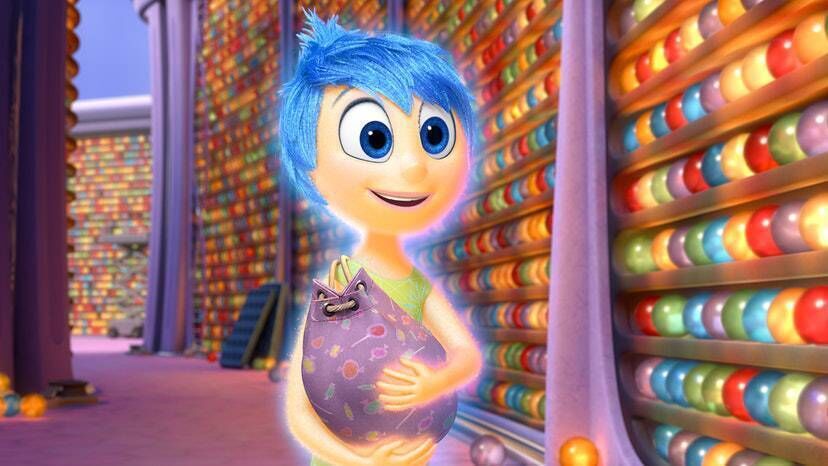
You might be surprised to hear that Niamh suggests watching the movie to understand just how important all of our emotions are. Fans of the film will know that Sadness is just as important as Joy when it comes to the plot and child psychologists and psychiatrists have studied the Pixar movie and written papers on the importance of it in helping children understand their complex emotions. There are lessons that can be learned by both children and adults in watching it and primary among them is accepting that all our feelings are ok, even the ones that don’t feel very good at the time.
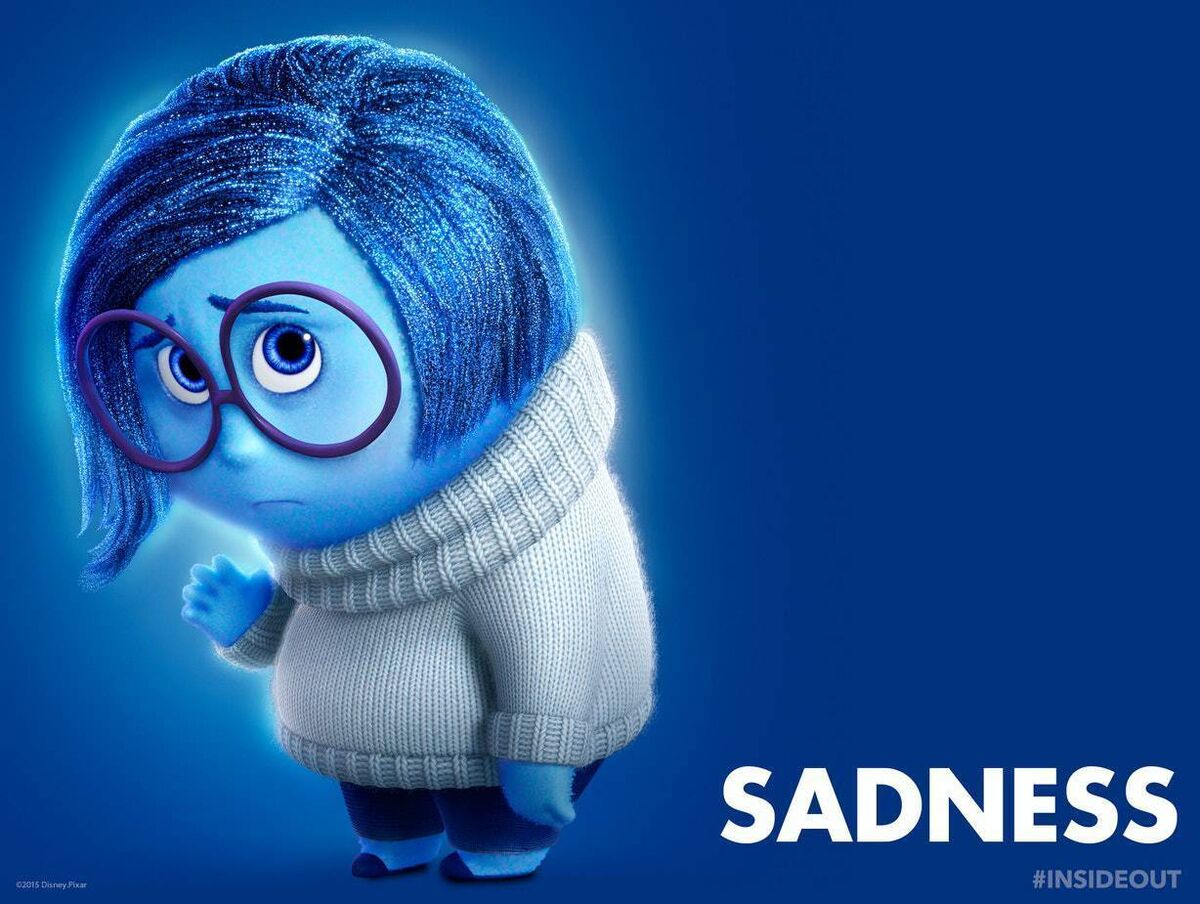
“There is a lot of very physiologically correct information in that film about how we process emotions, and the overarching message is that all of them are equally important,” Niamh says.
“Emotions are our sat nav and they’re directing us — we ignore any of them at our peril. Happiness, or any emotion we feel, is a by-product of a situation we find ourselves in.”
Psychologist, Leisha McGrath, agrees and says that we’re often in a rush to stop our children being sad, when actually it’s really important that they feel that emotion and learn to then move on.
“You see it with children in playgrounds quite a lot where a child falls over and cries and whoever is minding them rushes in with a chocolate biscuit or something to stop the crying. But actually, the child is quite wise to cry in the same way that if we see something funny, we laugh, you know? We have to be allowed to feel the pain and cry but also then learn not to wallow in it and move on. We have to understand that sometimes there are emotions that are maybe less comfortable to feel but that it doesn't mean we should run away from them.”
Positivity and gratitude have grown as a self-help category of their own for the last few years and there are myriad Instagram accounts and apps dedicated to the practice. You can download one to remind you to be grateful at the exact moment you wake up or another to help you drift off to sleep while listening to a meditation that will encourage positivity in your dreams. It seems that happiness is big business in 2020.
“There’s been a proliferation of wellness gurus recently but they have no qualification or training in the area. They’re putting forward what maybe worked for them be it from personal experience or anecdotal experience but it misses out on the bigger picture. It shouldn’t be either/or, yes you can strive to be happy but you shouldn’t feel bad if you’re not achieving it all the time,” says Niamh.
“This year has seen a lot of always be on, always be positive life. There’s yoga at 5am and banana bread at 5pm and everything else in between, where for some people it’s a case of ‘oh, ok I got out of my pyjamas today and that’s good for me’. Always happy, misses out on the individuality of people’s experiences. Ask yourself if the advice is coming from somebody with a recognised qualification in this area. I think we need to protect our mental health and be very wary of what we’re consuming. We should be nourishing ourselves in the sense of what we’re listening to, looking at and reading and keep balance in that. Yes, there great accounts that are upbeat and individual but if it’s relentless in one dimension that’s not helpful.”
Wanting everyone and everything to be positive all the time is never feasible and Niamh says that expecting it this year could be really damaging.
“Say if you were struggling, if you had a business or café that has been affected by the different shutdowns and you were feeling anxious, worried and afraid and someone said to you ‘think positive’.
That invalidates what you’re feeling and it minimises it, now not only are you struggling, but you also have a feeling of guilt that maybe you’re not being positive enough. We have to be very careful that we’re not being pathologically positive and minimising people’s human response. It’s normal to be upset and to feel worry and anxiety in the midst of this crazy and uncertain time.”
Leisha McGrath says that in the normal run of life we’re trying to fit ourselves into boxes and are often not allowing ourselves to feel the full range of emotions but that this year has shown us the futility of living like that when it can all be taken away in an instant.
“We’re obviously living in a global pandemic and a part of the reason that a lot of people are finding this difficult to deal with is because they thought they had control over their lives and they thought they could control everything. But that was actually all an illusion. None of us really had control, we could all get a horrible phone call in the morning or be run over by the proverbial bus. You can't stop the flow of life. We put pressure on ourselves, I think, to try and fit things into boxes and a part of that is saying but I should be feeling this way and I should be doing that. Women, especially, get it a lot. I should be having babies by now, I should have a career, I should be amazing in the kitchen and the bedroom and all of that. But, you know, if we don't allow ourselves to feel what we actually feel, we're not allowing the full spectrum of emotions to be present. And we're not allowing ourselves to build trust in ourselves that we can feel the tricky emotions and pick ourselves back up and move on. It’s a normal and healthy part of life.”
Leisha says that while some people are just happy it’s important to be true to ourselves and not force it: “Some people are naturally more optimistic by nature than other people. It's not a right and a wrong, just a natural tendency. But the word that jumps out for me in this is authentic. If you're pretending all the time to be happy and you don't feel happy, then you're not being authentic. If you’re not acknowledging what’s happening in the background and the whole range of emotions that maybe you don't even know are there, you're creating a kind of a pressure cooker situation that may explode unexpectedly or it may turn into an illness later down the road. You’re putting unnecessary pressure on yourself. It’s another thing on your list to do and it's another thing to hit yourself with. It’s actually completely doing the opposite of what you think it’s doing. There are going to be highs and lows it's just a fact.”
"We should lock the door and scream that curse word we know. It’s a good one!"
“Crying helps me slow down and obsess over the weight of life’s problems.”

CONNECT WITH US TODAY



Be the first to know the latest news and updates