'My ADHD diagnosis changed everything. I no longer constantly question why I am the way I am'

Grace Foley spent most of her life working towards being a professional performer, but during one performance — while singing in front of her young daughter — she stopped the show early, walked off stage, and decided that night she could no longer continue in music. She talks to Helen O’Callaghan about that experience and how her life has been since.
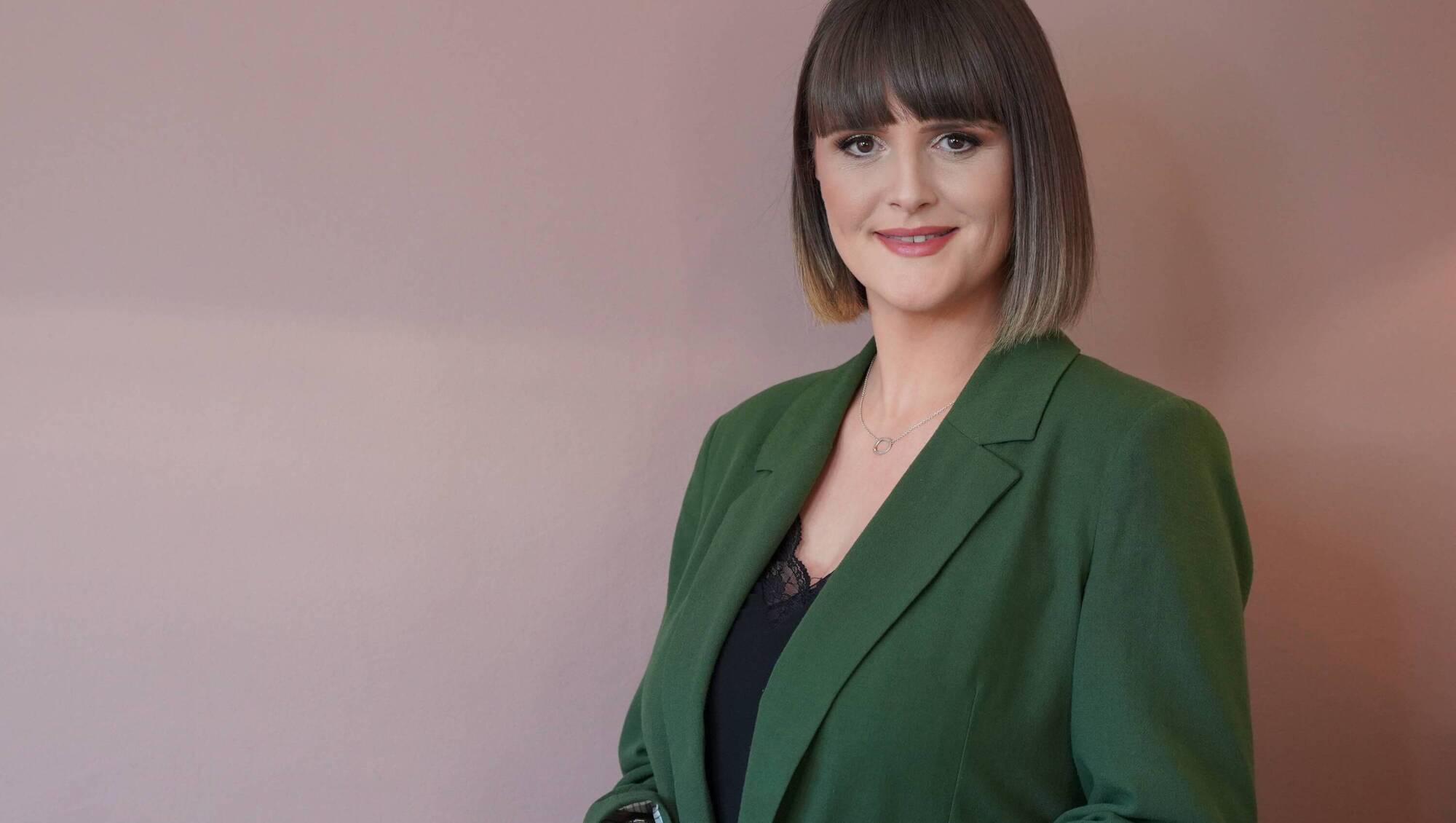
Grace Foley: 'The unravelling began long before that night.'

Grace Foley: 'The unravelling began long before that night.'

It was the second of a series of summer performances. I was at the Anam Arts and Cultural Centre in Killarney — July 20, 2024. A short performance, an hour long, just me and the backing track.

But that night, I felt my throat completely tighten right in the middle of the performance, in front of everybody. I was completely freezing. I stopped performing three songs early.

This unravelling had begun a long time before. I’ve spent my life trying to be a person that matched my voice, which is big, confident, loud — and suggestive of an outgoing personality. I felt I had to live up to that, whereas I’m a very quiet, shy person who likes to be alone.

I lost my ability to sing while studying music in college. I finished there in 2011. I lost it completely for a number of years. Yet my instrument — my voice — wasn’t damaged. It was a psychological glitch that can only be compared to an experienced golfer getting the yips, where the golfer can’t swing the club. My voice wouldn’t release. I’d freeze when I sang.

Between 2011 and 2024, I was trying to fix what was broken. That entire time, I battled severe anxiety and vocal issues. In 2016, I began to sing more, but it never went away completely. Performing, recording, anxiety was always something I had to battle through. But if I could have a run at something — like a concert series — it’d sort itself out. It’s why I was looking for something continuous in 2024, so I’d have regularity, be in the flow.

It all came to a head that July night. I didn’t feel great leading up to it. I was having a bad week with the singing and was very anxious. My daughter was only three then, and she was at that concert.

We didn’t have anybody to mind her, and she’d pleaded to be there. My husband was playing the backing track for me; he had no idea I was going to stop.

Grace Foley: Getting diagnosed changed everything.'

Nobody knew what was happening: that I was realising something in me had fundamentally broken. I knew my career was over, but I still finished by reading two poems, so people would feel that had been the plan all along.

That was the day I effectively ended my career as a singer after years of burnout, of struggling with my nervous-system health. I felt… it’s over, the battle, trying to be somebody I wasn’t. On the night I felt heartbroken and at the same time almost numb.

First I believed music itself was the problem. But in the following weeks, I realised there was something deeper. Because when the relief of giving up my career subsided, I still felt the way I always had — out of step, over-stimulated, at odds with myself. Maybe even six months earlier I’d suspected something else might be going on. I’d asked my sister-in-law, who I’d see quite often and for long periods, if she thought I might be on the autistic spectrum. I expected she’d say she didn’t think so. I’d have come across as very together, but she said “possibly”.

In late August I asked my therapist if she thought there was a chance I could be on the spectrum. She’d never thought it before, but said “maybe”. I got assessed in mid-September. Within 15 minutes, he knew I had ADHD. After three and a half hours, he sat back and said my brain was on fire. I was one of the most highly-masked individuals he’d ever met, and I was autistic. 

I felt relieved. Somebody finally saw the real me. 

Having ADHD and autism is tricky. I want variety and excitement but I also want stability and quiet. Finding the balance is key. I still write songs. I need the creative stimulation.

Getting diagnosed has changed everything. I no longer constantly question why I am the way I am. It’s made me live life very differently. A strict daily routine is very important to me, and admitting to others if I’m feeling over-stimulated.

I’ve become aware that large crowds in large places, lots of different conversations going on at once, are an issue for me.

I went to a life coach and I now understand that how my mind works is at odds with the way the world works. It has all been hugely beneficial for my relationship with my husband. Before, he’d have found it difficult to understand why I find certain things hard. Now he understands more — because I do.

When I was living heavily masked, I wasn’t aware I was. Trying to seem ok all the time, smiling a lot, giving a lot of energy to people, never wanting to seem different. It resulted in full-blown burnout.

Now I can be authentic, honest. I can regulate myself better, which means I can also do it for my daughter. I believe I was blessed with that horrible night in July 2024. It has saved my life, saved me from getting sicker. It still hurts, but it was a gift.

  • The impact of life coaching sessions led Grace Foley to train as a coach with the Positive Success Group. Foley now supports young adults and women in times of transition, and gives workshops and public talks. She also works as a vocal coach with small numbers of students, both in-person and online. Visit www.gracefoley.ie.

More in this section

Lifestyle

Newsletter

Eat better, live well and stay inspired with the Irish Examiner’s food, health, entertainment, travel and lifestyle coverage. Delivered to your inbox every Friday morning.
Cookie Policy Privacy Policy Brand Safety FAQ Help Contact Us Terms and Conditions

© Examiner Echo Group Limited