My Life with Fiona Corcoran: 'I witnessed the horrors of Chornobyl's exclusion zone'
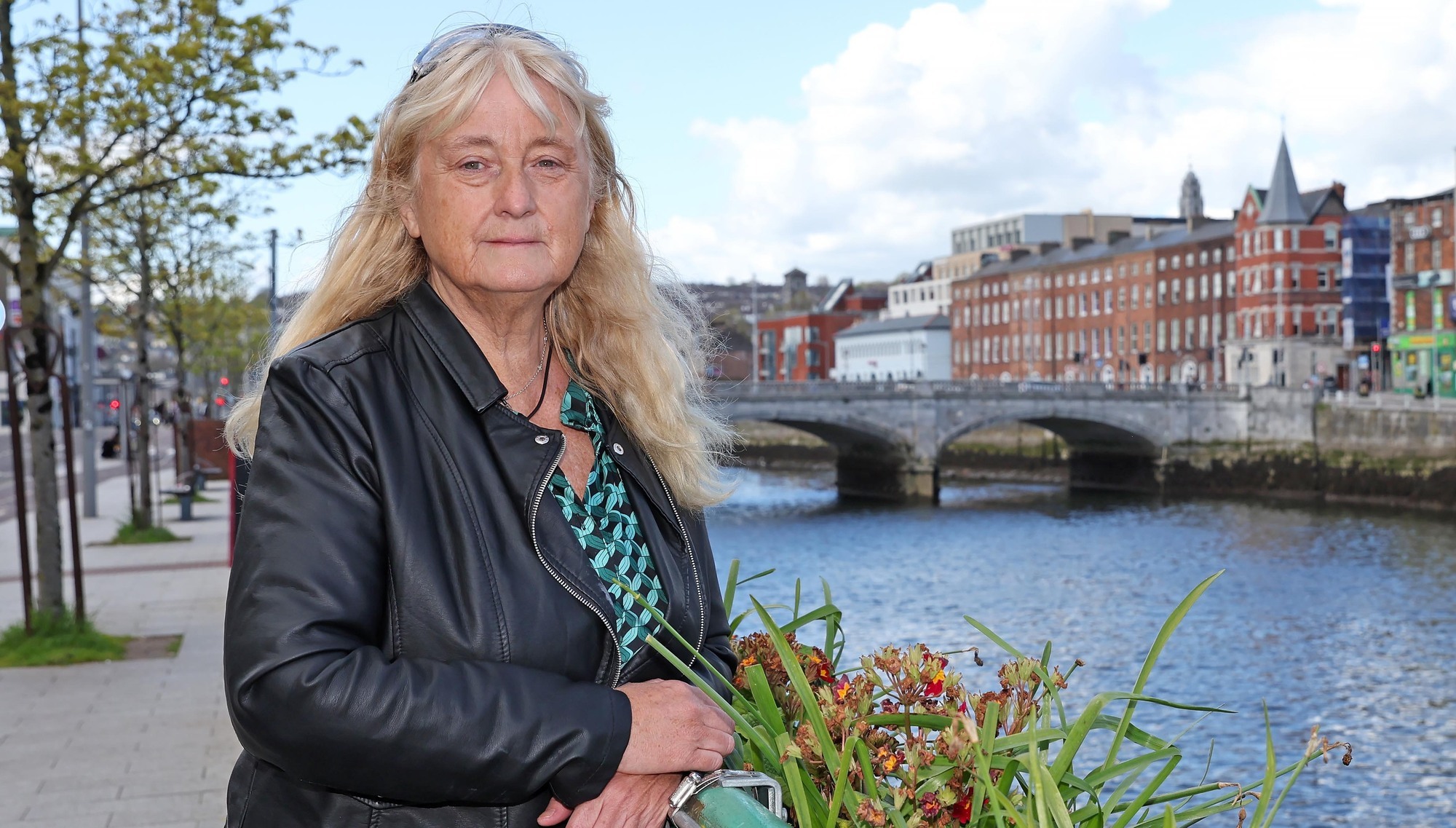
Fiona Corcoran, Greater Chornobyl Cause on Merchants Quay, Cork. Picture: Jim Coughlan.
My first encounter with the human cost of Chornobyl’s nuclear disaster seared itself into my consciousness in a way that changed life as I knew it.
It all started at the Mercy Hospital in Cork when I was introduced to a little girl named Evgenia Nestereko and three other Belarusian children. Their names had dominated newspaper headlines when it was announced just days before that these young Chornobyl victims were being airlifted from Belarus to Ireland. My friend Anne Norman’s deep commitment to the aftermath of Chornobyl first opened my eyes to the enduring agony of this catastrophe. It wasn’t until several days after the explosion on April, 26, 1986 that people realised the true gravity of this unimaginable tragedy. I was deeply moved by the coverage, which influenced my decision to partake in a visiting programme at the Mercy Hospital. Seeing the work of Sister Fidelma with the children as well as Anne Norman’s impact was truly inspirational. It was heartbreaking to witness how these children’s bodies and spirits had been battered by the invisible legacy of radiation.
I forged a deep bond with Evgenia, only to experience the heartbreak of her death, an event that left me forever changed, but resolute in my mission.
In 1995, I first travelled to Belarus, entering a world scarred by contamination, poverty, and grief. There, I was involved in bringing Elena Melikyan to Ireland, where she was adopted by Mossie and Nooreen Canty. It was one of the first adoptions from Belarus that I arranged. Now, my beloved godchild, Elena is a living reminder of what hope and perseverance can achieve in the face of despair.
My work with the Greater Chornobyl Cause, has taken me into the very heart of the disaster. For more than a quarter of a century, I have braved the exclusion zones, where children are born with life-limiting conditions, the elderly waste away in forgotten villages, and “liquidators”—the men and women who threw themselves into the radioactive inferno to save the world—now live in isolation and with unbearable illnesses. They have, in effect, been abandoned by the world they once protected.
The Greater Chornobyl Cause has delivered ambulances equipped with ultrasound machines to hospitals where basic care is a luxury, repaired crumbling orphanages, and established sanctuaries for street children, many of whom have only known hunger, violence, and fear.
I have financed education and medical programs, supported more than forty care centres for single mothers, and built halfway houses for former prisoners along with soup kitchens for the destitute. The work of the Greater Chornobyl Cause is not only in response to immediate suffering, but a long-term commitment to restoring dignity and hope where it is needed most.
In all my time with the charity, little Evgenia Nestereko’s has never been far from my mind. It was in 2005 that I finally got the chance to visit her resting place in Belarus. Meeting her mother and visiting her grave was a profoundly moving and unforgettable experience, further deepening my commitment to the cause.
As if the wounds of Chornobyl were not deep enough, the Russian invasion of Ukraine has added salt to open wounds and inflicted fresh suffering.
In towns like Ivankiv, just forty minutes from the reactor, the echoes of 1986 have now blended with the horrors of war. The only inpatient facility now cares for survivors of both war and that infamous nuclear disaster.
Some of the children I once pulled from the streets are now war veterans, bearing yet another generation’s burden. Still, there is always hope.
Through every partnership with hospitals, orphanages, and rehabilitation centres, the Greater Chornobyl Cause provides not just aid, but also an important lifeline.
Recently, to mark the anniversary of the disaster, I returned to the exclusion zone. I walked through the ruins and bore witness to the horrors that our world should never forget. As we mark forty years since the Chornobyl disaster, we remember not only a tragedy that shattered families and communities but also the invisible wounds that still fester today. They endure in the lives of children with life-limiting illnesses, in the isolation of the elderly, and in the memories of those who lost everything.
Now, as war against Ukraine rages into its fifth year, this suffering is compounded. The resilience and dignity of the survivors continue to inspire us, even in the face of unspeakable hardship. Our annual service is a solemn promise that their story will never be forgotten, and that Ireland stands with them today and always.
Taoiseach, Micheál Martin, will join the Greater Chornobyl Cause for an event in Bishop Lucey Park on Grand Parade, Cork city marking the 40th anniversary of the Chornobyl disaster at midday on Sunday, April 26.
The event will be opened by Fiona Corcoran, founder of The Greater Chornobyl Cause. The service will bring together government officials, the Irish Defence Forces, Garda Siochana, Cork City Fire Brigade, school children, and local Ukrainian communities.


CONNECT WITH US TODAY



Be the first to know the latest news and updates