Diary of a Gen Z Student: Technology fatigue is real — here's what a screen detox taught me
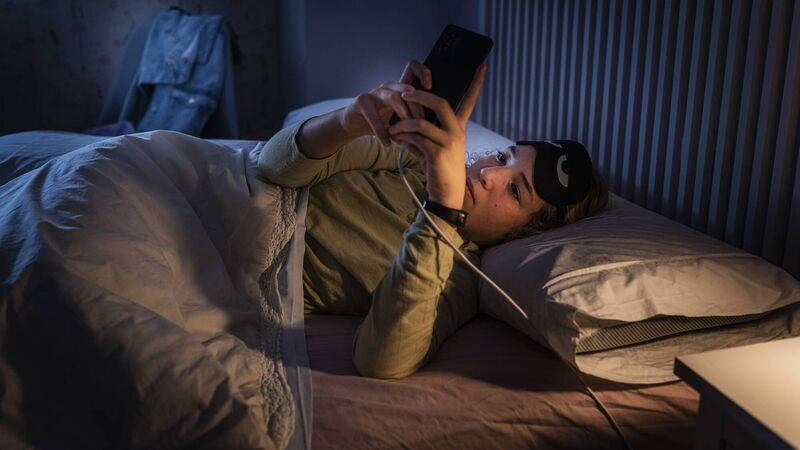
Jane Cowan: 'Last year, I detoxed myself from it all by turning my phone off completely for two weeks. I loved it, even if I occasionally took the wrong train home or missed a few photos of my friends’ morning coffees.' Picture: iStock.
It's a weird thing to get technology fatigue. The thing that is supposed to be exciting and make my life easier is kind of just turning my brain to mush and making it impossible for me to get a full night’s sleep.
I think we’ve all well and truly reached that point. I’m sick of the scrolling, the attack on the senses that is the iPhone alarm, and my waning ability to navigate myself around town without whipping out Google Maps just to make sure I’ve taken the most efficient route.
Last year, I detoxed myself from it all by turning my phone off completely for two weeks. I loved it, even if I occasionally took the wrong train home or missed a few photos of my friends’ morning coffees. It was difficult at first. Not knowing how to react when I first started to experience thoughts in my head again. I felt like my brain was being washed of its social media contamination.
I’m also a fan of being able to order food to my college flat late at night. Again, not something I want to give up.
I think a lot of my generation understands this feeling. A bit fed up with our phones, but also not wanting to go totally ‘atechnological’, if you’ll humour my neologism. What we are doing instead is introducing a little more analogue living into our routines. Not breaking up with our phones, just managing them somewhat. It’s not easy.
When we were 14, our parents took our phones at night; we could resent them for it, and then go to sleep. As young adults, we’re too old for that kind of stuff. But, oh, how I miss it. Now, I’ve got to parent myself, manage my own technology usage, and tell myself when it’s time to turn off Instagram for the night. And by God, am I a handful.

What I’m saying is, I’m not perfect when it comes to regulating my screen time. But I, like a lot of Gen Z, am trying to take myself offline where possible. Here are a few of my favourite habits for embracing the offline life.
Firstly, I avoid using the notes app on my phone at all costs. I bring a pen and a small notebook basically everywhere I go. If I need to write a list of something or other, I will just use that. It felt a little stupid at first. Mainly because the last time I had physically put a pen to paper was during the Leaving Cert. It feels sort of cool and retro when I do it now. Especially if I’m in public, writing in my little notebook. It creates a sense of superiority I didn’t realise I could tap into.
I have ceased use of my Kindle. Partly to avoid giving billionaire men any more money than I already do. Partly because a real book is way more fun. If I’m going to read, it is going to be a regular bloody book. I want to physically turn the pages, scribble my thoughts into its margins, dog-ear the corners, break the spine, and use it as a coaster on my bedside locker. All the fun stuff that reading a Kindle just doesn’t allow. Physical books are hot — spread the word.
And I’m not the only young person embracing this lifestyle. My friend used a lipliner to write her phone number on a napkin in a bar a few weeks ago. She just walked over and handed it to him like the cool girl she is. No exchange of Snapchat usernames.
And that’s the kind of stuff I’m talking about. It’s just so much cooler than meeting someone on Hinge. No one wants to write a wedding speech about finding love on the apps.
And that’s what this anti-digital movement is all about. It’s more than an alarm clock. It’s about existing in the physical world. You’ve got to get offline if you want to remember your life. ‘Oh, I spent my youth on Instagram’ is not going to impress anyone. We can do so much better.


CONNECT WITH US TODAY



Be the first to know the latest news and updates