100 years on... remarkable story of the Irish woman who plotted to kill Mussolini
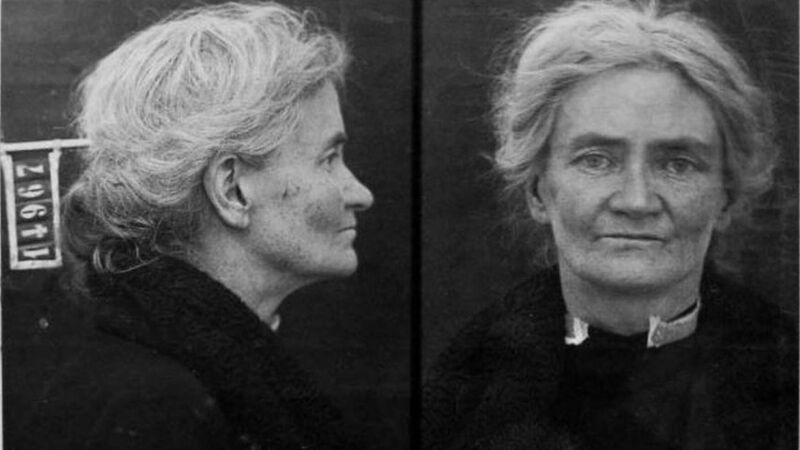
Official prison photos of Violet Gibson, taken by Italian authorities after her arrest 100 years ago.
Asked if she’d be back for lunch, she half-smiled and answered: “Yes”.
In her right pocket she clutched a revolver, wrapped in black cloth; in her left, concealed inside a black glove, she carried a stone to smash the windscreen of the Italian dictator Benito Mussolini’s car.
HISTORY HUB
If you are interested in this article then no doubt you will enjoy exploring the various history collections and content in our history hub. Check it out HERE and happy reading
When she was nine, her father, Protestant lawyer Edward Gibson, became Lord Ashbourne, Lord Chancellor of Ireland, and ‘Vizie’ acquired the title ‘Honourable’.
Violet had been a sickly child, she survived scarlet fever at five, peritonitis at 14, and pleurisy at 16. She was “fizzing with infection”, writes her biographer, Frances Stonor Saunders.
Her younger sister, Constance, also noted her “hysteria”. She became captivated by Christian Science, which declared illness an illusion, controllable through prayer.
When this didn’t work, Violet switched to Theosophy, which aimed to build a universal socialist brotherhood.
On July 28, 1902, announced her conversion to Catholicism. Lord Ashbourne was horrified, considering it a perversion.
Resuming her glamorous lifestyle, Violet splashed out on clothes and parties: “I was very naughty,” she acknowledged. But the sudden death of her young artist fiancé destroyed her spirits, and she retreated to Buckfast Abbey, Devon.
The death of Violet’s favourite brother Victor in 1922 unhinged her: she burst into the Carmelite Friars monastery in Kensington, London, and wandered across streets in her nightclothes. When her housekeeper’s daughter rescued her from the path of cars and buses, she drew a knife and cut the young woman’s hands.
A visiting friend recalls her repeatedly asking if it was ever permissible to kill.
As a keen socialist, Violet was incensed when the Conservatives swept away Ramsay MacDonald’s Labour government in November, 1924. Determined to make a “sacrifice”, she set off for Rome, taking a companion, Mary McGrath from Meath, and a small revolver. She said she wanted to rescue Italy from Mussolini, who she felt had betrayed socialism. Friends claimed she planned to assassinate Pope Pius XI for not condemning Fascist violence.
Living in convents, Violet spent her days visiting Rome’s most wretched districts and distributing coins.
On the evening of February 27, 1925, Violet read her bible, then held a pistol to her chest, but the bullet lodged in her shoulder.
“I wanted to die for the glory of God”, she told Mary. In March, 1926, their daily convent life of prayer, tea and jigsaws was shaken by news of Lady Ashbourne’s death. Violet began walking around with staring eyes, blanking acquaintances. Mary was dispatched back to Ireland.
Surrounded by chanting Fascists, a tiny, emaciated figure in spectacles raises a revolver, eight inches away from Mussolini, “close enough to breathe each other’s breath”, according to the author Frances Stonor Saunders.
The mob jumps on Violet, kicks her, pulls her hair, tramples on her spectacles. A woman bashes her around the head with a handbag. A policeman knocks the pistol from her hand. Another punches her in the face. Violet falls and is dragged away.
Back in Ireland, Free State leader William Cosgrave congratulated Mussolini on his “providential” escape from the “odious attempt” on his life; King George V expressed “horror” at the “dastardly attack”. Violet’s sister Constance Gibson sent “sincere congratulations on Signor Mussolini’s escape”.
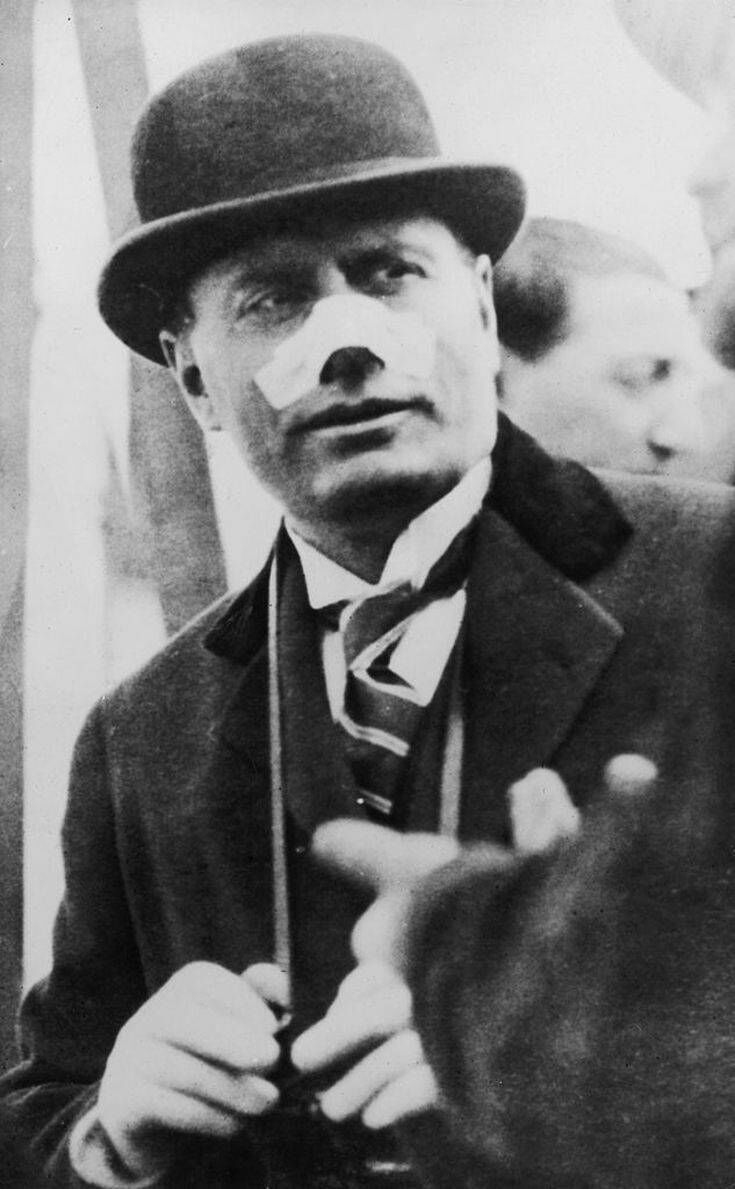
The Duce left for Libya: “I’m going, even with a plaster on my nose… Let us leave the old Irish woman in the silence of her cell,” he declared defiantly.
The , on April 9, confirmed her “religious mania” and “excessive mysticism”. Mary McGrath returned to Italy and testified that Violet was “mad”.
After she attacked a fellow inmate with a hammer, Violet was assigned to Sant’Onofrio Lunatic Asylum, where tests found her “taciturn” and “suspicious”. Doctors recommended a ‘madhouse’, but police had discovered anti-Fascist newspaper cuttings at the convent, and Fascist prosecutors demanded a criminal trial. In Bologna, the name ‘Gibson’ appeared on a placard alongside the dummy of a hanged man.
“I will be returning to Italy as soon as possible to shoot Mussolini,” Violet announced. The Gibsons sent her directly to Harley Street, where one doctor diagnosed “delusional insanity with paranoia”, and another declared her “hysterical and suspicious”.
That same night, she was taken to St Andrew’s Hospital for Mental Diseases in Northampton, washed, drugged, and locked up. She spent the next 30 years there, paid for by her family, writing scores of letters to those in power — including Princess Elizabeth and Winston Churchill — appealing for her release. None were posted. On one occasion she tried to commit suicide.
Her death on May 2, 1956, aged 79, duly went unremarked. Nobody attended her funeral.
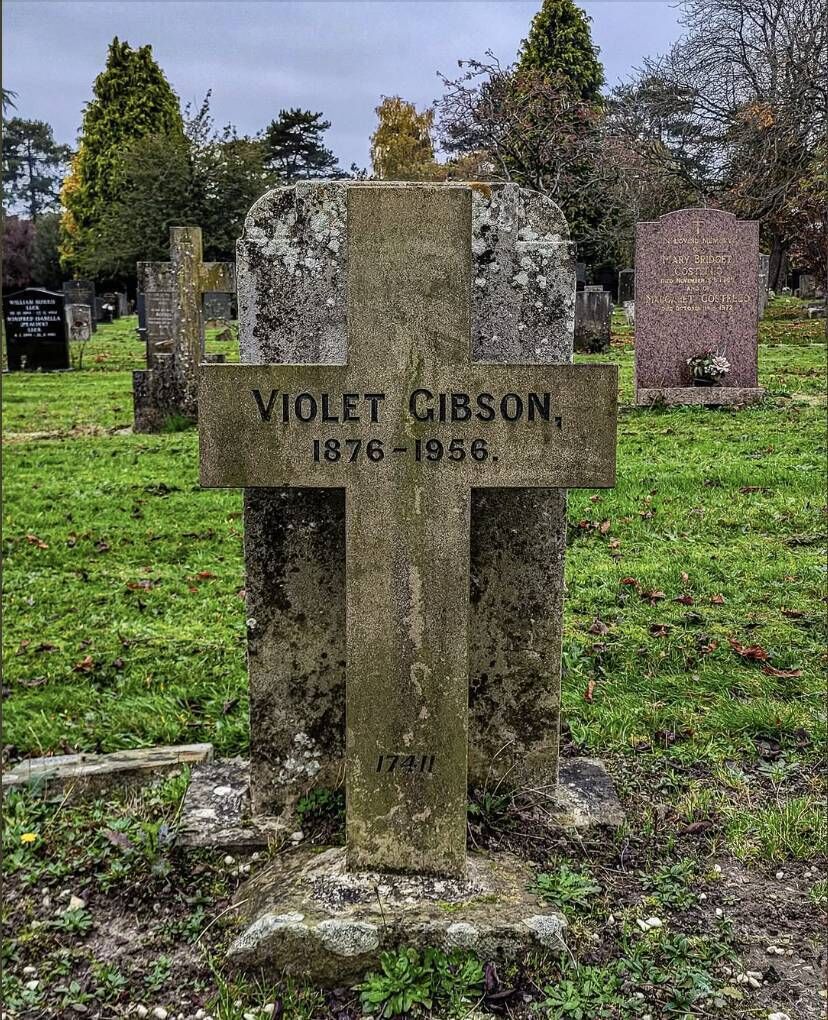
She had asked to be buried in the Catholic part of St Andrew’s Cemetery in Northampton, but was interred at the non-denominational Kingsthorpe Cemetery a couple of miles away. Violet had earmarked £100 for a headstone but received a bland cross and no epitaph.
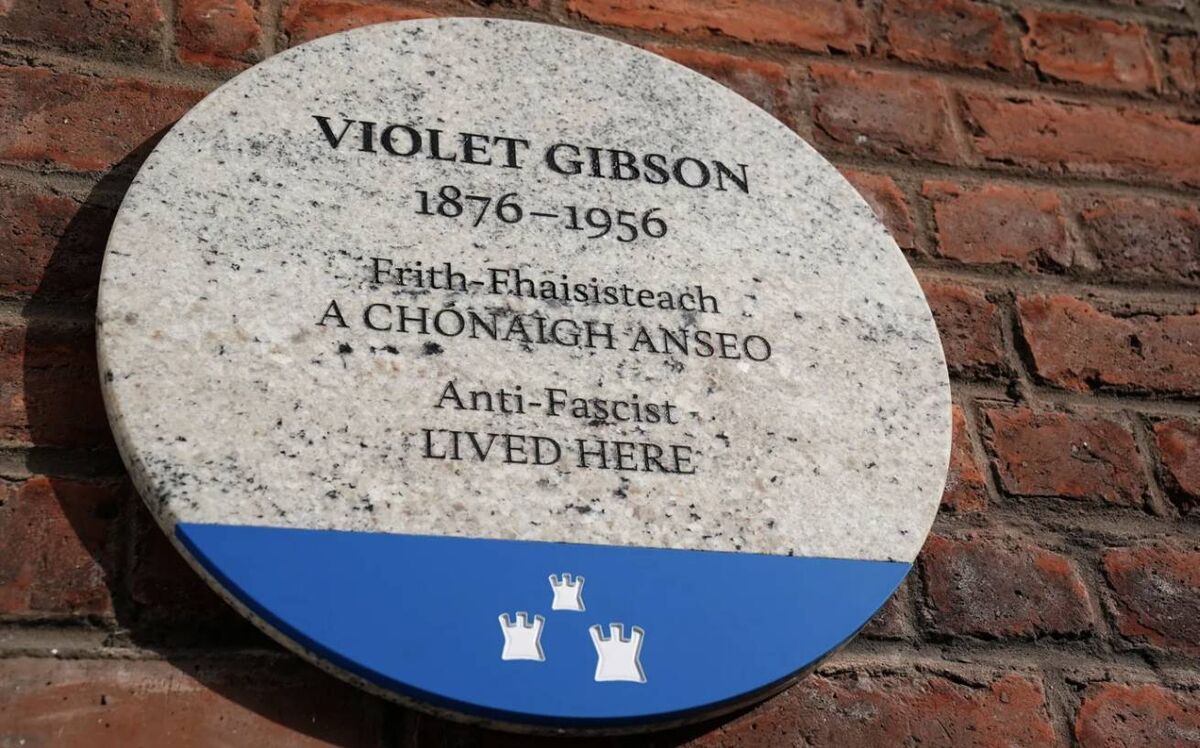
On October 20, 2022, a plaque was unveiled at Violet’s childhood home in Merrion Square. Dublin councillor Mannix Flynn, who spearheaded the campaign to get her recognised, claims she finally has “a rightful place in the history of the Irish nation”.


CONNECT WITH US TODAY



Be the first to know the latest news and updates