Manon Gilbart: The impact of living with endometriosis goes far beyond physical pain
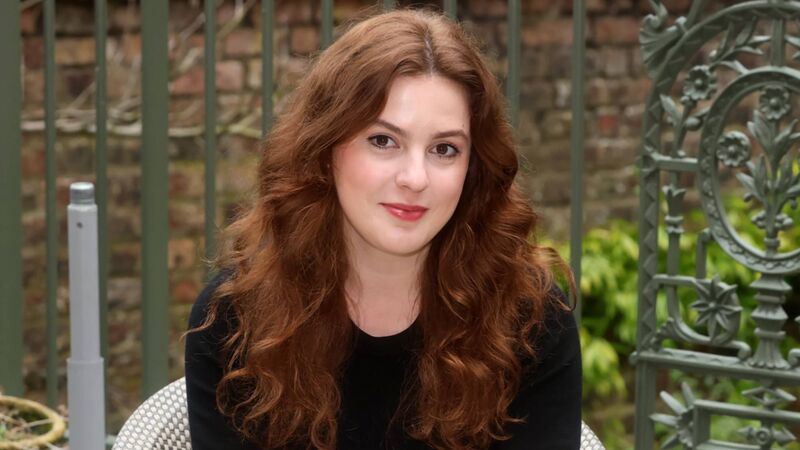
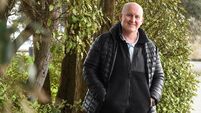
Irish Examiner journalist Manon Gilbart. Picture: Brendan Gleeson
The last time it happened, I was about to interview a government minister in Adare.
We were halfway through a presentation when the cramps started out of nowhere.
With an interview to record, a copy to file, and no painkillers to hand, I did what many women are taught to do — suck it up, despite the jolting pain.
I was diagnosed with endometriosis five years ago. The condition, which affects about one in 10 women and people assigned female at birth, occurs when tissue similar to the lining of the uterus grows outside the uterus, which can cause chronic pain, fatigue, and difficulty getting pregnant.
When I first heard the word, I felt relieved. Somehow, I found comfort in being told I was suffering from the condition. If there was a word to describe it, at least, the pain wasn’t all in my head. It became real.
I wish endometriosis stopped at the agony of the physical symptoms. When I’m lucky, I can push through my period. Other times, I end up curled up on the bathroom floor in agonising pain, waiting for the storm to pass.
What bothers me most is the impact it has on my social life.
Anyone who knows me could testify to how much I love being out and about, socialising, travelling, and keeping active.
But, too often, it feels like the condition can impact my desire to do those things — like when I had to pull out of a hike with an ex-boyfriend due to heavy bleeding and my inability to sit straight.
That experience led to a conversation about the condition itself. At the time, he asked, “oh, so it’s bad periods, is it?”, which I think highlights how little awareness there can be about the true impact of the condition.
The only person I’ve dated who fully grasped what endometriosis is, was a doctor. I even admitted it was difficult for me to reach an orgasm because my body almost anticipates the pain it could be in, as pleasure can sometimes trigger flare-ups for me. A topic I tend to steer away from, as it somehow makes me feel incapable. Incapable of letting go, in my own body.
I’ve never wanted kids; I like them as long as I can give them back at the end of the day. But I’d be lying if I said my fertility is never on my mind. Humans always end up wanting what they know they can’t have. I strongly dislike cheese, but if I were told I could never eat it, I’d probably inhale a whole cheese wheel. It’s easy to become hyper-aware of the limits my body could face.
When you read about endometriosis, it’s mostly about the symptoms and how debilitating the condition is. While the pain is no fun, what I despise most is how it gets in the way of life; missing a friend’s birthday or a leaving do. Whenever I have plans, I tend to power through, remind myself of the ole “you only live once” motto. Mostly, I hate myself for not showing up for loved ones.
'I should be travelling, going after my dreams, but it’s not an option'
The first time I interviewed someone with endometriosis, they shared their experience with candour. After our conversation, I went home and cried. It was the first time I felt understood. At times, I thought I was perhaps a bit dramatic about my pain threshold.
At the age of 23, Hannah Hughes has to use a walking stick as she suffers from severe pelvic pain, which shoots down her legs. Often, her partner has to carry her to bed when she can’t move.
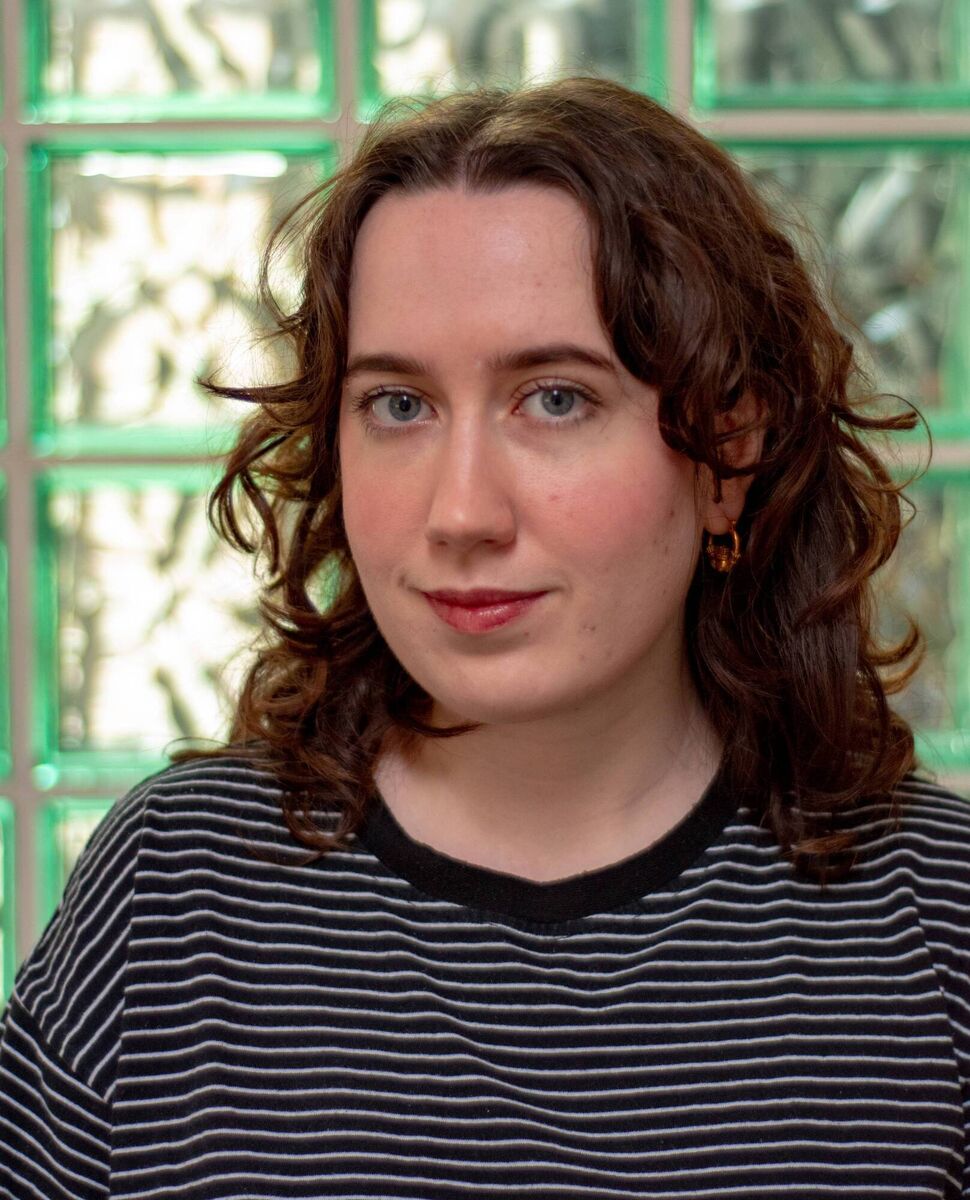
”Our world has gotten a lot, lot smaller. He is essentially caring for me, it has really showed us the importance of communicating and supporting each other,” she said. “It has been a struggle, it has changed our dynamic. It’s not expected at our age really.”
She wishes people would talk more about the “in-between”; when you’re not sure yet you want to have children but are aware the option might be “taken away” from you.
“But if you want kids, it has to go faster than the typical person would be thinking about children.”
With a disease she describes as “so isolating”, she found comfort in the online endometriosis community — and even started her own Instagram page.
In a way, Hannah says she is almost grieving: “I should be travelling, going after what I want, after my hopes and dreams, but it’s not an option. Your world gets smaller and there’s like a huge loss of independence.”
Most of her “adult life”, Michelle Daly-Hayes, has had endometriosis. The condition “stopped her whole life” until she had a hysterectomy, as a tumour had been found on top of endometriosis lesions. Having kept her ovaries, she still has endometriosis lesions.
“For years I would plan my summer holiday around it, ‘how can I plan this with the pills so then I don’t have my period?’ It would literally ruin my day, you just don’t feel like doing anything, you feel so lethargic,” she said.
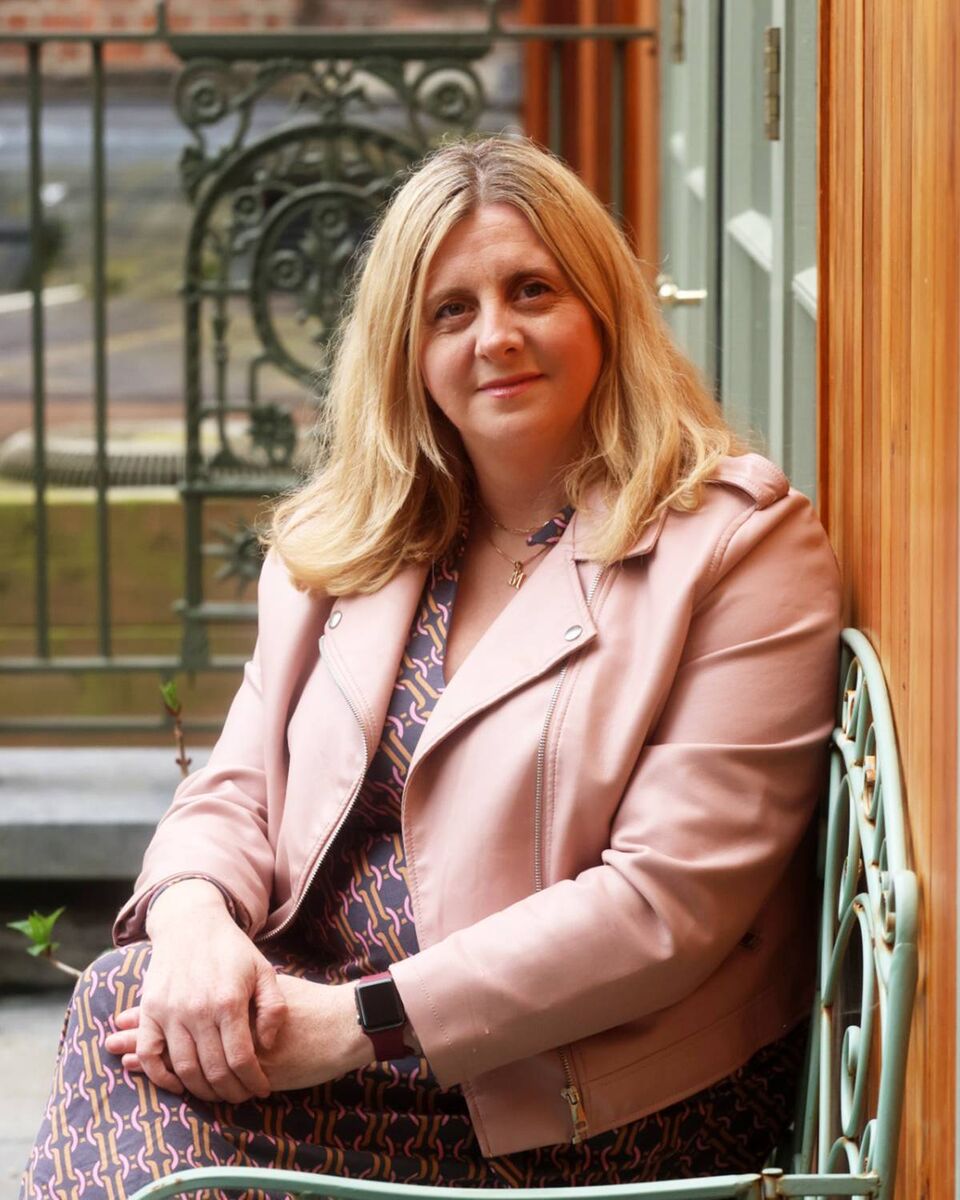
A couple of years ago, she was due to be MC at a fashion show she helped organise. That was, until she could barely stand: “I was just dreading it. I was bloated to the point where I looked eight months pregnant, and I wasn’t. Some of my clothes wouldn’t fit when I had my period, you just feel horrible.”
Through it all, she has had the support of her husband, who is always aware of how much pain she can be in.
“It’s not even the physical barriers, but emotionally, you feel caught up. I was continually looking over my shoulder, even when I sat somewhere in case I would bleed through,” she recalls.
“You don’t have time to think about other things, you’re just trying to survive the day, do what you need to do, and hopefully not have an incident.”
From swimming lessons to social outings, Niamh O’Regan constantly felt like she was missing out on activities. A feeling which did not stop after getting diagnosed with endometriosis in 2023.
“When you’re missing out on a lot of aspects of your social life, it kind of starts affecting your mental health as well,” Niamh explained.
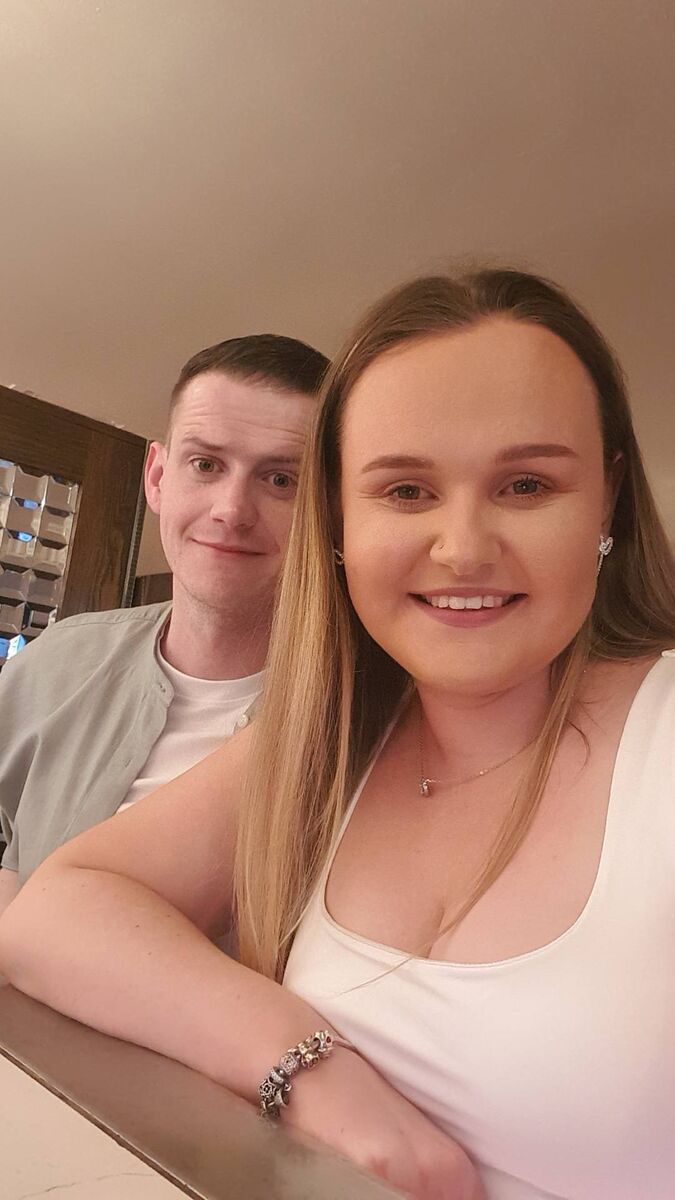
Events and milestones, she has missed a few. But one that sticks out to her is a post-covid reunion in Cork: “We had a big family party back home. I’d say we were only in my aunt’s house about an hour when I had to leave. I could just see some people weren’t really understanding of it, I think that makes you feel a little bit worse. It’s ‘oh, she’s on her period’.
With her partner though, she is “beyond lucky”.
“He’s very patient with me. We’ve gone for dinners and had to come home early because I’ve been in so much pain,” she said.
The condition forced her to have some “hard conversations” about her future: “When having my laparoscopy, they did a couple of fertility tests along with this. I had to sit down with him and say having biological children might not be on the cards for me. I kind of said it to him there and then, ‘if you do want out of this relationship, I won’t judge you for it’.”
The women I talked to might all have different symptoms, be at different stages in their lives. But one thing unites us all: How much the condition impacts our lives beyond the physical.
CONNECT WITH US TODAY



Be the first to know the latest news and updates