Are we getting ruder? How to be kinder in everyday life — and break the contagion of rage
Slow down, take a deep breath, maybe even let the other car take the parking spot. In the face of rudeness, sometimes the most radical thing to do is remain passively polite
Are we getting ruder? How to be kinder in everyday life — and break the contagion of rage

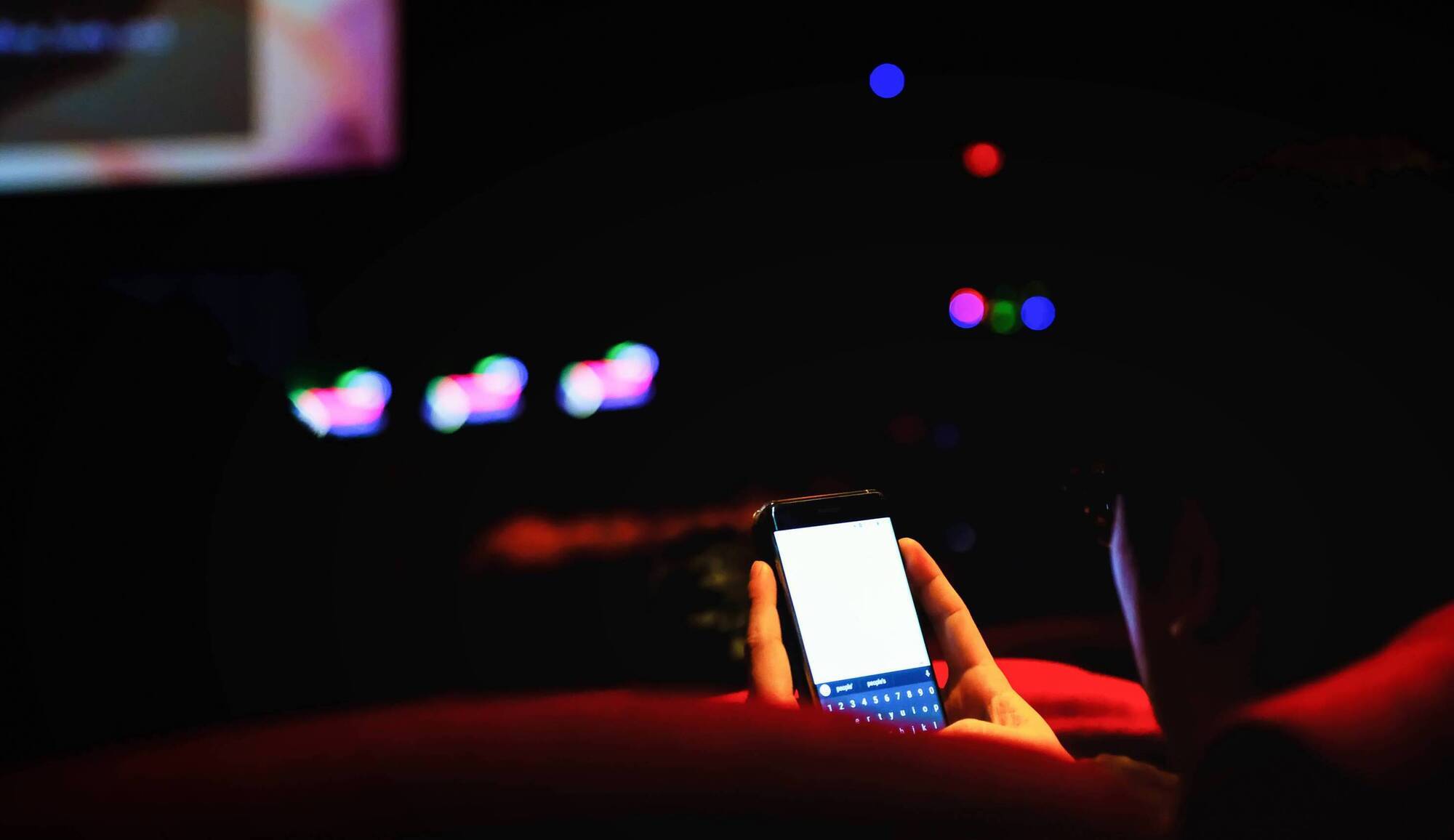
Rage against the machine: At the cinema, you grit your teeth while people around you light up their phones to send texts, put their feet on seats, and talk throughout the movie.

Think of a typical day in our angry world. You open social media and read abuse, either of you or of someone else. 

Then, you get in your car and are aggressively overtaken while driving at the speed limit. You pull into a shopping mall car park, where another driver executes a fast three-point turn to take your space, and then shouts a stream of abuse when you honk.

You find another space, but your car gets damaged by a rogue trolley rolling into it; its previous user didn’t bother putting it away.

At the cinema, you grit your teeth while people around you light up their phones to send texts, put their feet on seats, and talk throughout the movie.

In the airport queue to take a flight, the person in front of you shouts at the airline staff because they are going to charge for extra carry-on.

When you board and head down the aisle to your window seat, your neighbours do not want to get up to let you in, so you have to squeeze past them. 

Part of the epidemic of rudeness is the implied assumption that other people do not matter as much as you.

When the attendants come around to tell people to turn off their phones, no one listens, including the people and their children watching videos without headphones.

The passenger in front of you reclines their seat for the flight and then, when disembarking, the passengers in the rows behind you do not wait to let you out.

If you are a person of extreme calm and equanimity, you may be able to let all this happen around you and remain unaffected. But, for most of us, the selfish behaviour of others degrades our experience of being in the world.

It can even provoke some of us to respond with anger — worsening the situation and the general degraded atmosphere of our public spaces.

So, what can we, the public, do?

A lot, actually.

Be the bigger person

Roman Stoic Seneca wrote, thousands of years ago, that “we are bad men living amongst bad men and only one thing will calm us and that is if we agree to go easy on one another”.

Going easy may feel like tolerating bad behaviour, but it can be crucial in lowering temperatures and preventing escalation.

It also stops you from being the arsehole in the situation. So: Let the other car take the space, let the drivers in, give the thank-you wave. Wait your turn to exit the aircraft.

Slowing down, or leaving the house a little earlier than usual, takes away the urgency and stress that cause us to speed, not let other drivers in, or overtake recklessly. Realising that these things only get us somewhere a minute or two faster means we might not take risks driving that can cause accidents

As Marcus Aurelius wrote in his diary: “The best revenge is to be unlike him who performed the injustice.”

When someone is rude to you, the most radical thing you can do is remain passively polite. It breaks the contagion of rudeness. In its place you can start a contagion of kindness.

Get comfortable with discomfort and inconvenience

Try not to treat every minor inconvenience — a delayed bus, a sold-out Instagram-worthy pastry — as a personal affront. When something doesn’t go your way, put it in contrast with some truly uncomfortable news, such as a cancer diagnosis. You’ll quickly realise that most of our daily outrages are remarkably boring and no big deal.

Have a strategy for managing anger

Sometimes, when you feel a sharp sense of fear or injustice, for instance when someone is driving aggressively and putting you in danger, anger can arise quickly and feel impossible to stop. 

But when you feel anger in the pit of your stomach, notice it and treat it as the sign to pause. Take a few deep breaths before you speak and act. Once you’ve said something out of anger, it’s impossible to take back.

Be patient

Slowing down, or leaving the house a little earlier than usual, takes away the urgency and stress that cause us to speed, not let other drivers in, or overtake recklessly. 

Realising that these things only get us somewhere a minute or two faster means we might not take risks driving that can cause accidents. An accident is going to chew up far more of your time and energy than going with the flow of traffic, even if it is a little heavy at times.

Acknowledge that everyone is the main character

Part of the epidemic of rudeness is the implied assumption that other people do not matter as much as you. The airline staff you are shouting at, the gig economy worker you’re not thanking as she delivers your food, the pedestrian you don’t let safely cross the street.

It’s a failure of imagination not to see another’s inner life; to treat others as if they don’t have feelings, don’t get hurt, or don’t feel afraid when we yell at them.

There is a version of ourselves in every person and they need to be treated with kindness and respect — just the way we would wish to be treated.

Question the systems that drive people to the edge

This is a challenge for corporations, government, and business. Sure, as individuals we need to treat others well. But social bonds fray when systems fray. 

If your airline is constantly running behind schedule and you are failing to invest in enough staff, then you are responsible for degrading conditions that contribute to a lack of civility.

If you have a call centre that makes it difficult for humans to speak to humans, then you need to take some responsibility when the staff you do employ get abused after long wait times.

There was never a golden time where everyone was entirely civil. Rudeness has always existed. But to stop things getting worse than they are now, we all need to take stock and do better.

  • Brigid Delaney is the author of ‘The Seeker and the Sage’, about Stoic philosophy (Allen & Unwin, approx €10)

— ‘The Guardian’

More in this section

Lifestyle

Newsletter

The best food, health, entertainment and lifestyle content from the Irish Examiner, direct to your inbox.

Cookie Policy Privacy Policy Brand Safety FAQ Help Contact Us Terms and Conditions

© Examiner Echo Group Limited