How the IT girl went from bold to beige: What has drawn us toward a quieter life?
Megan Roantree examines the new era of it girls, and how it went from bold to beige
How the IT girl went from bold to beige: What has drawn us toward a quieter life?

Molly-Mae Hague is not the only beige-clean-girl-cosy-life influencer on our feeds but she’s certainly the queen of them all.

Mugshots were such a massive part of pop culture when I was growing up. From Lindsay Lohan to Paris Hilton and Mischa Barton, all our favourite celebs were
regularly photographed in bright orange jumpsuits, which we’d see splashed across the front pages of magazines. 

I never exactly idolised these people, but I understood that they were very famous, and very popular. These celebs had adoring fans all over the world, even when they were caught up in driving or drug offences.
If we weren’t looking at mugshots we were looking at these same stars, bleary-eyed, falling out of nightclubs or screaming at one another in the back of cars. They made chaos look cool.

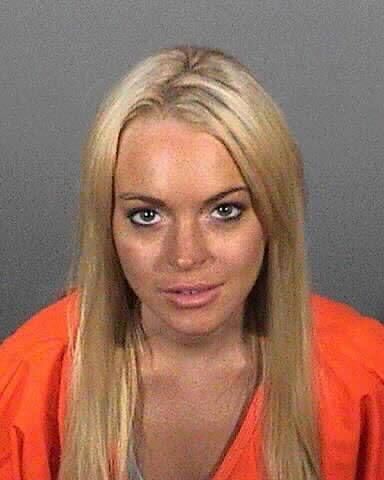
Some of the most well-known photos of Lindsay Lohan include her court-ordered ankle monitor, which she began styling to match her designer looks. Rather than let her DUI arrest cramp her style, she covered the monitor in what looked like tiny handbags.

Lindsay, Britney, Paris and Nicole Richie were the names I’d recite if someone asked me who the cool girls were. We were obsessed with Von Dutch, Juicy Couture and saying ‘that’s hot’ all because Paris and Nicole did it first on their reality show The Simple Life. In the 2000s, it felt like these women would influence everything from fashion and beauty to accents and cadence for teens all over the world.

Even when we weren’t being directly influenced by them, there was an understanding that the cool girls were bold. They stayed out all night, broke the rules and partied hard. Closer to home, we had Alexa Chung and Kate Moss reiterating the idea that grungy and messy was in.

A mug shot of one of the original ‘bold’ girls, actress Lindsay Lohan in 2010.

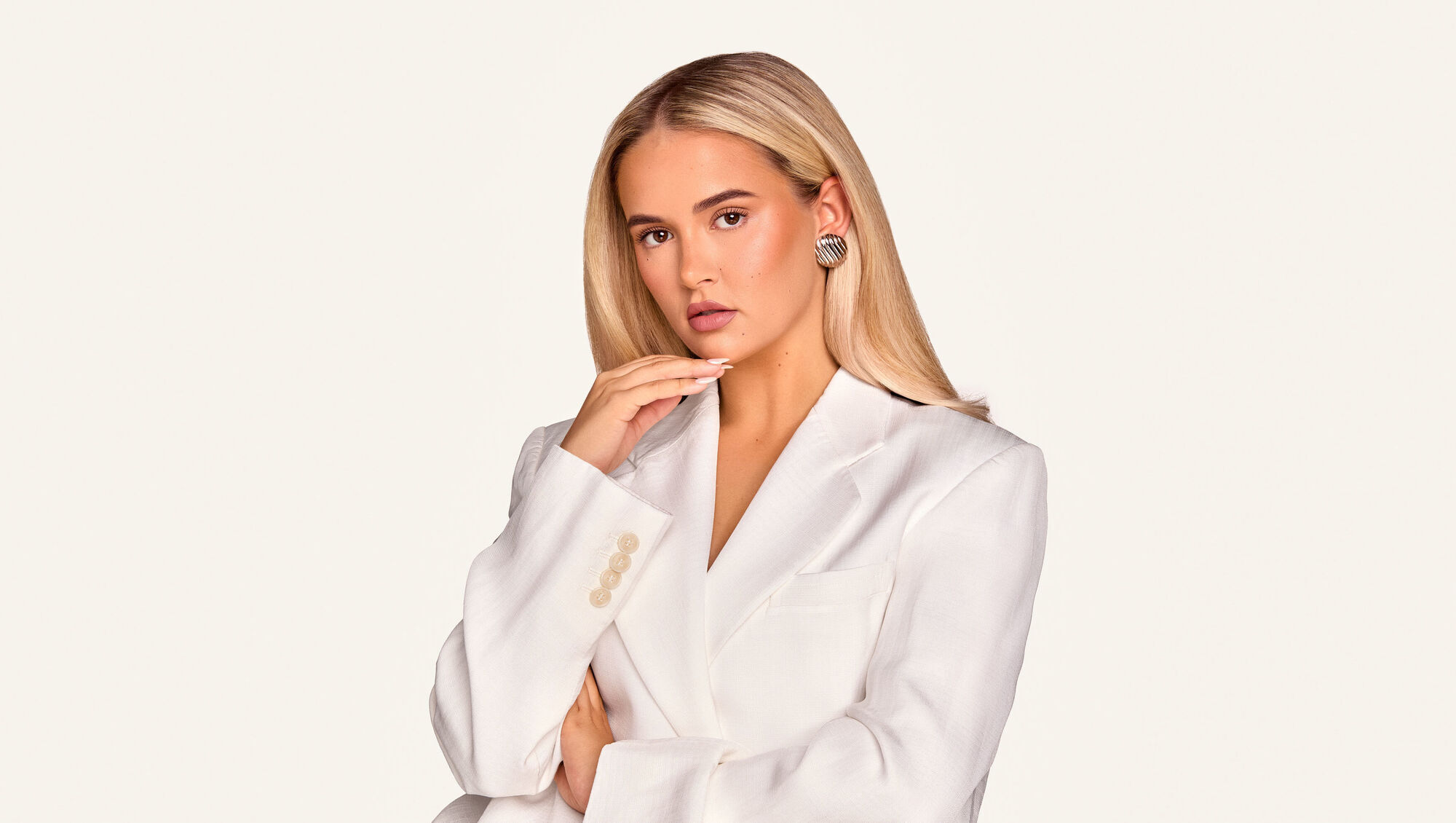
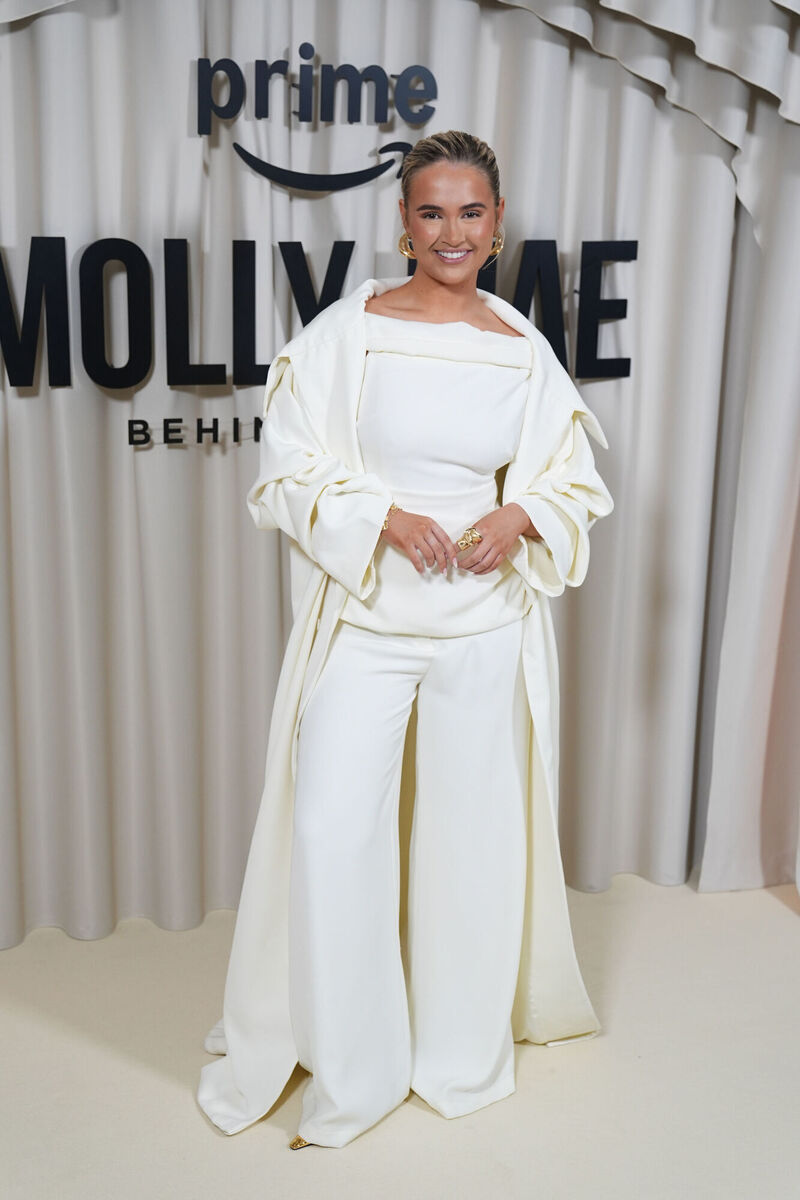
So when I look at teens today, it’s fascinating to me that they idolise a beige-loving, slicked-back-bun-wearing mum-of-one. Women and girls from 12 and up will tell you that they adore Molly-Mae Hague. While the influencer first got her name on Love Island, she quickly and consciously carved out a very clear brand for herself. She’s not the only beige-clean-girl-cosy-life influencer on our feeds but she’s certainly the queen of them all.

Molly-Mae likes simple, sophisticated fashion (think oversized blazers), and clean-girl makeup. She doesn’t drink alcohol (previously stating she just doesn’t like the taste, or how it makes her feel) and isn’t into partying.

Instead, she is focused on making her house a home, with beige and grey and cream and lots of closet space. In her YouTube vlogs, you’ll find her doing her skincare, lighting fancy candles, and raising her two-year-old, Bambi.

When she announced her split from Bambi’s dad, Tommy Fury in 2024, fans felt personally offended for their girl with cheating rumours stirring online. In the throes of this extremely examined break-up, Molly stayed at home and stayed quiet.

She saved those finer details for her Prime documentary, Molly-Mae: Behind It All. The first half dropped in January, with the second half dropping this Friday, May 9.

In a time when social media rants and oversharing get people talking, the 25-year-old is savvy enough to know that saving it all for a feature-length six-part show reaffirms her status as #1 it girl.

Once upon a time, a hugely public breakup would result in photos of the heartbroken star partying in nightclubs and kissing mystery men, but Molly-Mae is seen in the documentary holding her baby, hanging out with her granny, and horse riding.

While the first three episodes of the documentary focus on her girl boss era, as she launches her clothing brand Maebe, it really just affirms her status as an ambitious but extremely introverted young woman.

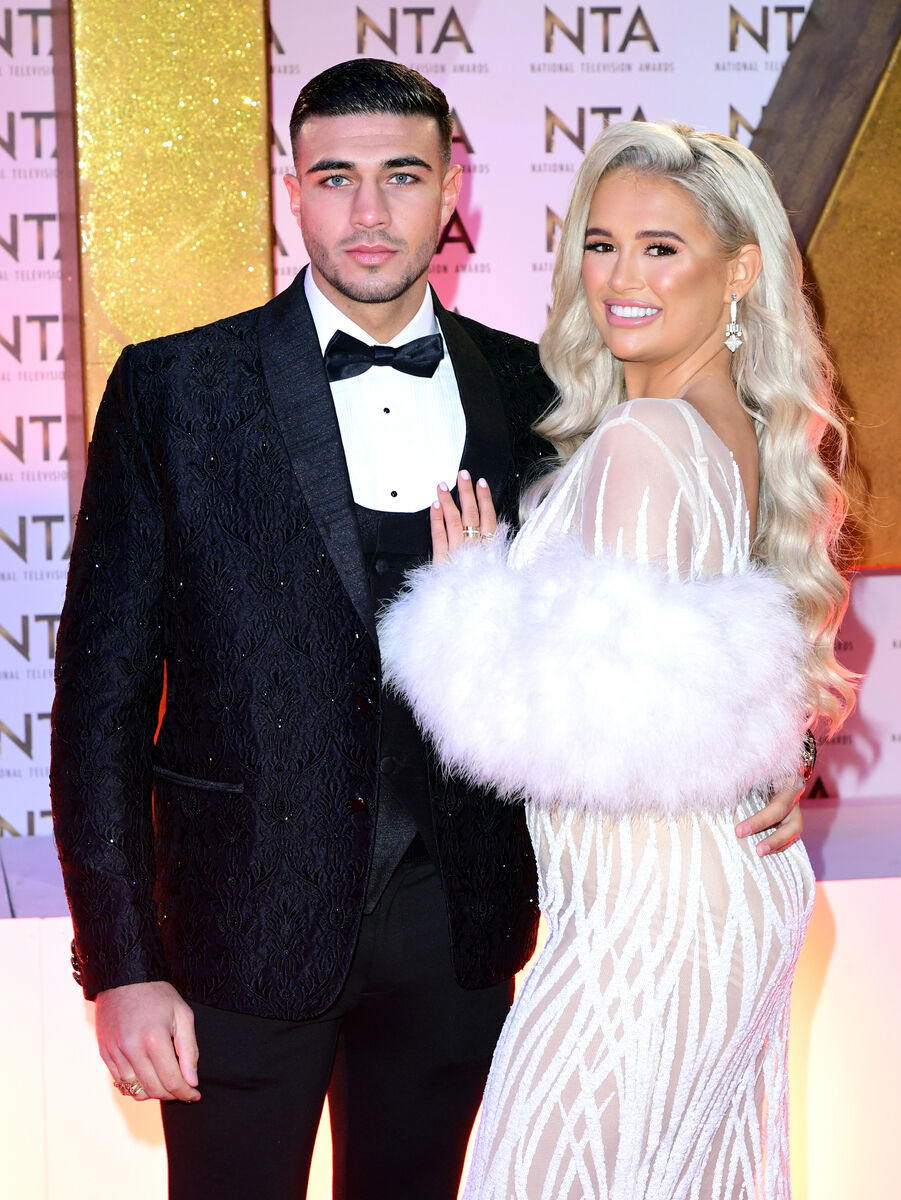
Tommy Fury (left) and Molly-Mae Hague during the National Television Awards at London's O2 Arena.

A striking element of the doc showed Molly-Mae preparing for the launch of her clothing brand. She and her manager both stress what a big deal this is, as it’s her first in-person event.

“This is the first face-to-face event I’ve hosted or done, really ever,” says Molly-Mae in the first episode. Six years after Love Island, and 12 million followers later, she’s managed to carve out a massive career and become the ultimate it girl without ever really leaving her house.

In a similar vein, when discussing her ‘dream’ wedding, she explains: “If I was to plan my perfect wedding now, it would be, a vicar come to the house while Harry Potter is on in the background, snacks on the table, and the vicar just marries us whilst we’re sat on the sofa in our pyjamas, that would be great… get a bath, early night, lovely!”

It’s a far cry from the Vegas weddings and exclusive luxury parties of our party girls gone by.

Later, she goes through her luxurious closet, focusing on her pyjamas. 

“One thing about me,” she says, “is that pyjamas are a sacred part of life, like, you spend half your life in bed, so you spend half your life in nightwear, you need to invest in your nightwear.” 

Growing up watching MTV Cribs, we saw most celebs showing their flashy handbag or car collection, but never their fluffy, cosy, nightwear.

And yet, so much of the doc highlights just how many fans she has. Women from all over the world attend her clothing launch, and the brand sells out its first drop in just 24 minutes.
Even with complaints of quality issues around one item, the fandom never falters.

The documentary aims to explore this popularity, with input from Nicki Capstick, chief marketing officer of fast fashion brand PrettyLittleThing.

“She’s just got that fine balance between making everything so polished and so aesthetically pleasing but then it feeling normal to an everyday girl,” says Capstick. “We knew there was something special. I think she’s extremely driven and she knows exactly what she wants.”

Molly-Mae Hague at a screening of her Prime Video documentary series, Molly-Mae: Behind It All, in London.

Her manager, Francesca Britton echoes this. “She doesn’t realise quite how big she is... the Molly-Mae effect — what people talk about — it’s a real thing. Her followers truly believe in anything that she does.”

Molly-Mae herself isn’t so sure of why so many people are obsessed with her: “It still shocks me how invested people are in my life and I don’t really understand why.” 

It all feels worlds apart from the naughty noughties it girls I was raised on. I thought raccoon eyes, vodka shots and nightclubs were the key to being cool.

So when and why did this begin to change?

Reality stars once had to rely on paparazzi and traditional media for coverage, and so to guarantee that attention, you couldn’t simply sit at home eating baked oats. 

Now though, people have the ability to build and hook their own audiences, and in recent years we’ve seen social media creators with even the most niche hobbies gain hundreds of thousands of followers.

So while there is more freedom and personal power to create your own audiences, what is it that draws audiences toward a quieter life?

Lynn Hunter is the founder of Hunter Media Group, which includes The Collaborations Agency and Social Content HQ. With over 20 years’ experience in the industry, monitoring trends and analysing people’s appetites, she’s noticed a change in who people lean toward. 

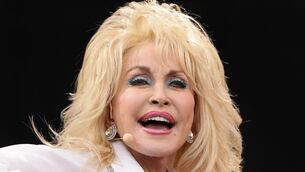
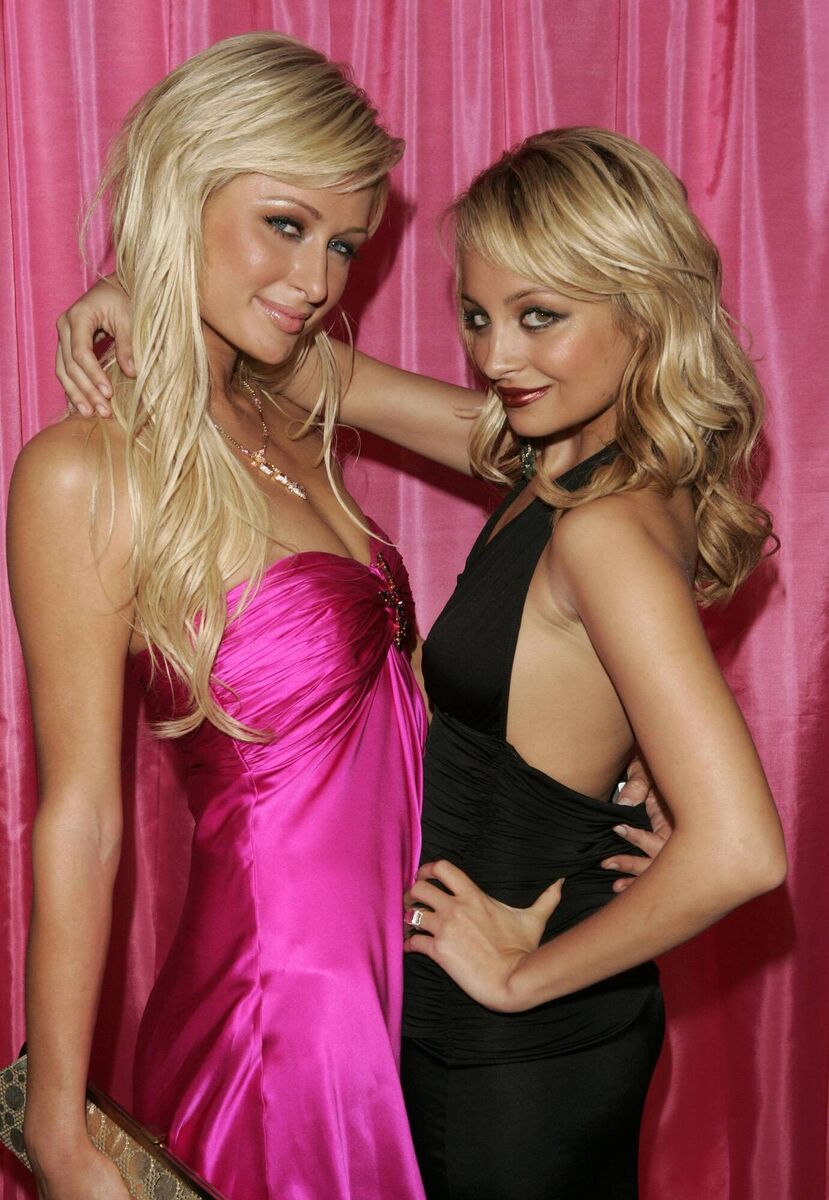
TV Personalities Paris Hilton and Nicole Richie, pictured in 2004, were the ultimate party girls. Picture: Peter Kramer/Getty

“I have seen a shift in what content creators share online,” says Hunter.

“Exploration and activities feature heavily in content, whether it is running clubs, saunas, cold water plunges, paddle boarding, hikes, or sea swims. People’s interests dictate their content. Gen Z and millennials aren’t drinking as much as the older generation when we were that age. Non-alcoholic drinks are hugely popular. The wellness industry is thriving, and people want to get on board with a healthier lifestyle.”

So why this vast change from the party girl era?

“People realise that going to bed early, getting up early, and having a fresh head are great ways to live. There are so many community-based events that people can join that are free and don’t involve late nights or alcohol. 

Clean living is considered cool, and meeting people in a safe, sober, open and healthy environment is a positive, especially after covid, and people crave a sense of community.

It’s clear Molly-Mae epitomises so much of this. In Hunter’s words, “Molly-Mae is aspirational but [still] accessible.”

When I was growing up, getting dressed up and going out to a nightclub was my understanding of fun. We saw elevated versions of this in Paris Hilton, Geordie Shore and in shows like Skins.

It seems the rise of social anxiety and sober curiosity, the death of nightclubs, and our ever-increasing screen time mean that women no longer look to messy party animals for inspiration or wonder, but instead are drawn to a more wholesome, quiet life.

If teens today see the dream as being cosy, clean and comfortable, perhaps Molly-Mae represents the perfect heightened version of their reality? It certainly brings a whole new meaning to the simple life.

More in this section

Lifestyle

Newsletter

Eat better, live well and stay inspired with the Irish Examiner’s food, health, entertainment, travel and lifestyle coverage. Delivered to your inbox every Friday morning.

Cookie Policy Privacy Policy Brand Safety FAQ Help Contact Us Terms and Conditions

© Examiner Echo Group Limited