Suzanne Harrington: As parents, we should allow our kids to fail and pick themselves up again
Today, parenting culture has become something altogether more co-dependent. Instead of it being a straightforward one-way dependence — your kid depends on you to stay alive
Suzanne Harrington: As parents, we should allow our kids to fail and pick themselves up again

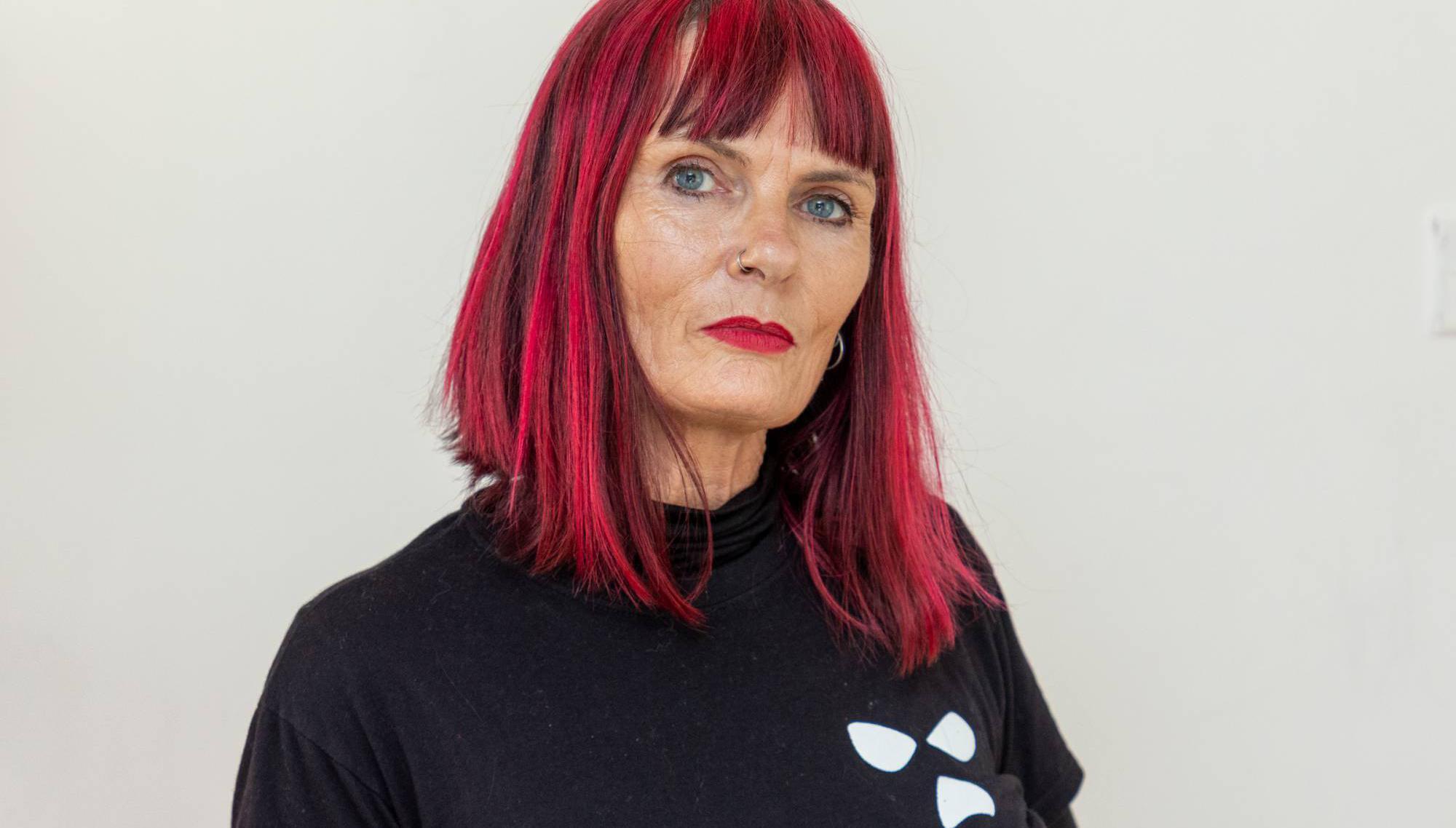
Suzanne Harrington: "Let us try, then, to be more submarine. To lurk in the background unseen, ready to break cover only when needed." Picture: Andrew Dunsmore.

In Graydon Carter’s cracking memoir, When The Going Was Good — about the mad excesses of journalism before the money ran out — the former Vanity Fair editor describes growing up in 1950s suburban Canada.


“Childhood was not the spectator sport is it today,” he writes, adding that “50s-era parents were largely submarine parents: there, but not really in evidence”.

Although a sporty kid, his parents never stood on the sidelines cheering him on like it was the cup final at Wembley: “I didn’t hold it against them. Nobody’s parents came to watch their kids.”

Today, parenting culture has become something altogether more co-dependent. Instead of it being a straightforward one-way dependence — your kid depends on you to stay alive — the dynamic has become psychologically enmeshed. Kids have become the source of adult purpose, validation, status, raison d’etre. 

That’s a lot of pressure for a child, but if your entire life does not revolve around them, you’re a terrible parent. 

Their victories and losses are your victories and losses — no matter how tiny, no matter how fleeting. Every moment is about making memories, so get your phone out.

You can see this in action on any sports sideline — a gaggle of uncoordinated nine-year-olds kicking a ball around a lumpy field being cheered and shouted at with a fervour you’d normally see in premier league relegation zone managers. 

The school reports of six-year-olds being scrutinised by anxious parents like they were final year med results. School friendships being micro-managed, curated, and controlled with UN levels of peace-keeping. 

Forget helicopters — these days, parents hover like drones. Obsession with every aspect of kids’ lives — diet, allergies, neurology, sleep patterns, friendships, grades, athletic prowess, social cachet, strengths and weaknesses, development.

We write parenting books for each other about how to guide teens through romance, the very idea no doubt making teens everywhere scream, run away, throw up; we inflict our own dietary orthorexia on them (is it organic?); we plan and schedule every minute of their lives, feeling like failures if they are not time-tabled from 7am to 7pm.

We post it all online, sharenting, comparenting, overparenting, driving ourselves — and more importantly, our kids— collectively around the bend.

How about we back TF off? This is not just about putting crash helmets on tricycling toddlers, or worrying about anaphylactic shock if they sit next to a peanut. It’s about creating generations who cannot think for themselves, act for themselves, decide for themselves, fend for themselves. 

Kids need to be able to fend. How else can they grow into functioning, functional humans?

Let us try, then, to be more submarine. To lurk in the background unseen, ready to break cover only when needed. That is, when they need us, not when we need them to need us. 

Let’s allow our kids to fall over, fall out, fail, fuck up — and to pick themselves up, dust themselves off, keep going. 

They are obviously central to our lives, but they should not be our obsession, our only focus, or our sole hobby. Nobody wants that.

x

More in this section

Lifestyle

Newsletter

The best food, health, entertainment and lifestyle content from the Irish Examiner, direct to your inbox.

Cookie Policy Privacy Policy Brand Safety FAQ Help Contact Us Terms and Conditions

© Examiner Echo Group Limited