Choosing single motherhood: 'It’s the best thing I’ve ever done'
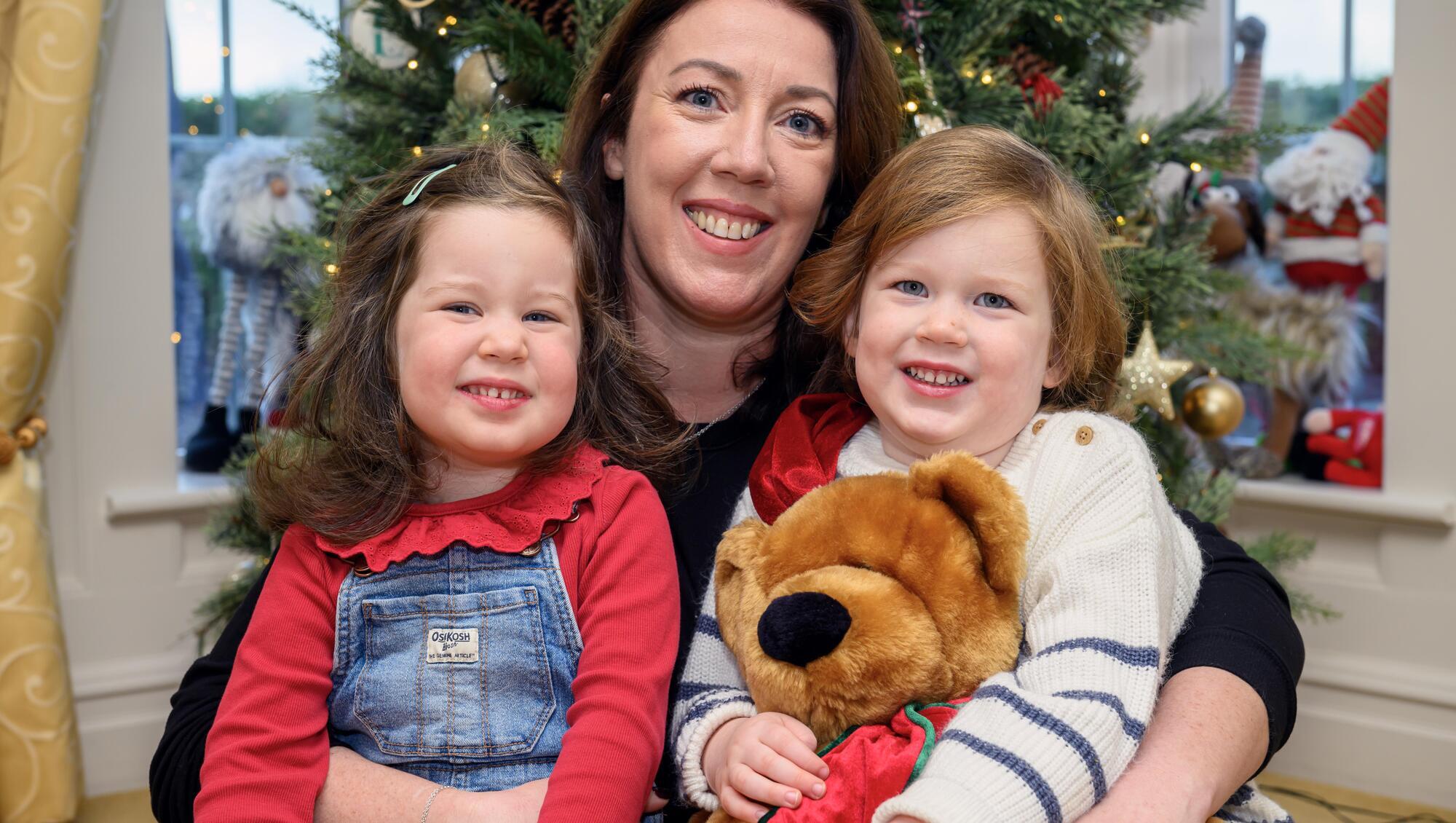
Jill Heffernan with her twins Emme and Aidan at their home in Monkstown, Cork. Picture Dan Linehan
Being in a relationship was never a priority for Jill Heffernan, but having children was. After moving back to Ireland — she had worked overseas — she decided it was time to have a baby.
“I was in my mid- to late-30s, and I wasn’t bothered about meeting someone. But I was bothered about potentially not having children,” Jill says.
At 39, she chose a sperm donor and underwent IVF with the Waterstone Clinic. She became pregnant on her first attempt, and twins Emme and Aidan were born the following year.
“I assumed that something might go wrong. So it was a lovely surprise that everything went very, very well.”
Jill, who is a secondary school teacher in Cork, is one of a growing number of women choosing to start families alone.
According to recent data from the UK’s fertility regulator, the number of single women undergoing IVF or artificial insemination has tripled over the past decade.
Although Jill had two embryos implanted to increase her chance of success, she never planned to have twins: “It was never my intention to have twins as a solo mom. I don’t think there’s many moms out there would have chosen to be a solo mum and to have twins.”
Jill lives with her parents, Mary and Aidan, who help her. “I was going to stand on my own and get a place, and it would be me and the baby. But once we knew that it was twins, there was no way,” she says.
Because of her parents Jill can keep working as a teacher.
“I don’t even think I’d be able to work part time in teaching with two. The holidays are great, but it’s a very time-consuming job when you’re in it,” she says.
“I wouldn’t have been a great teacher if it weren’t for my parents.” It hasn’t been easy, but Jill has zero regrets:
In the early days, the nights were tough, and Jill struggled when breastfeeding didn’t work out. “Because I used science to have them, breastfeeding was kind of my sticking point. I really wanted to make it work, and it didn’t. And I was very disappointed about that,” she says.
As the twins have grown, new challenges have emerged. “They’re nearly four, so there is a lot of fighting and name calling,” says Jill. “I’m called ‘Mama’ 50 times before 8am. So it can be mentally draining.”
Jill tries to focus on the positive: “I try and find the good point of every day, try and find the glimmer, and that might be just something as small as having a tickling match with them, or a little tickle wrestle, and they’re screaming with delight.”
When she sees issues in two-parent families, Jill feels grateful for being a solo parent. “I see an awful lot of blended families and a lot of family break-ups,” she says.
“These babies are my own. I don’t have to deal with any other issues. I can make all the decisions. I’m in control of my little family.”
Jill is open with her children about how they were born. “They know that a doctor helped me, and a very nice man called a donor helped me have them; they know all about the science behind it, and the sperm and the egg and how they grew in my belly,” she says.
Her advice to anyone considering this route is to do what is right for you and ignore other people’s opinions.
“No one cares,” she says. “You might be gossip for 30 seconds, and then it’s forgotten about, and you still have your babies.”
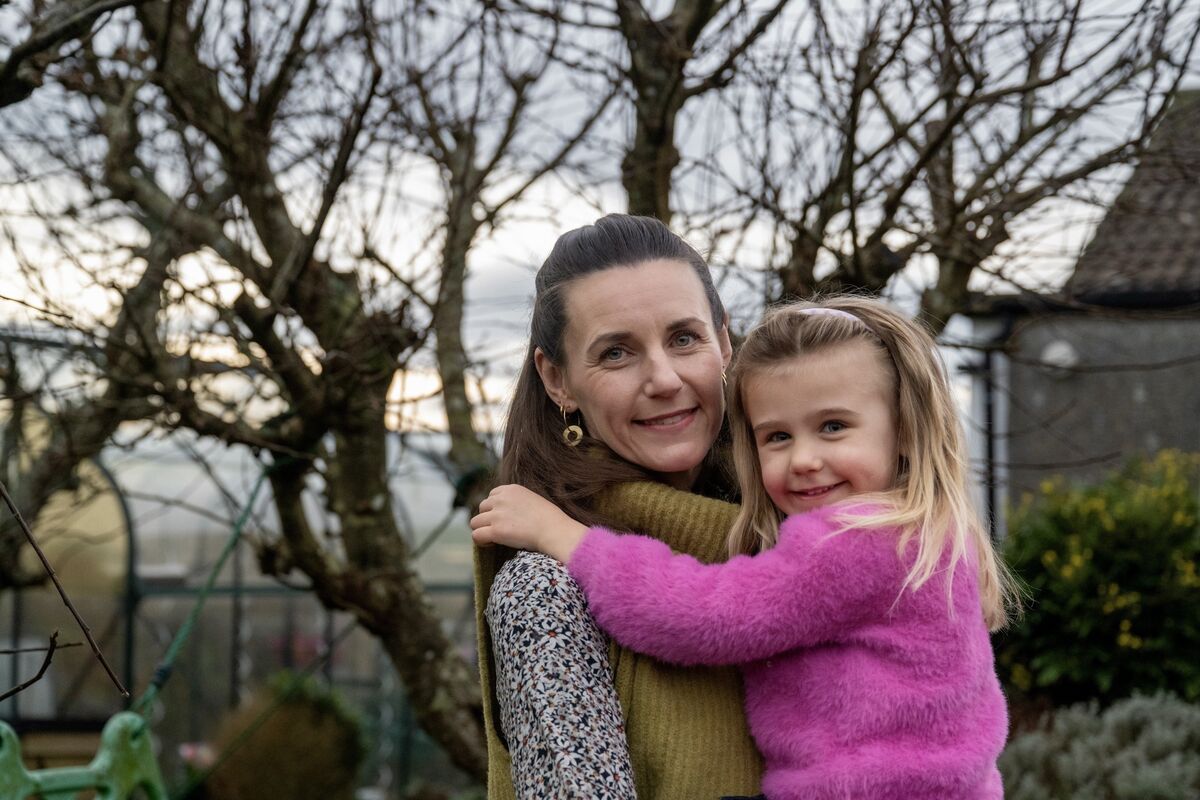
Kate O’Mahony always expected to meet someone and have children, but when she became “conscious of the biological clock ticking”, she took matters in to her own hands.
“I just imagined that it would work out for me somehow, and that I’d meet someone, and that we’d have kids, and that it wouldn’t be an issue,” Kate says.
“Then, when it got to when I was 39, I had to jump and make a decision.”
After a successful round of IVF and a smooth pregnancy, her daughter, Robyn, was born in April 2020, at the start of the pandemic.
“I was in hospital on my own, same as everyone else, but it kind of suited me, because I wasn’t going to have a partner in there with me anyways,” she says.
Having family support was crucial for Kate when deciding to become a single parent:
"Because I knew when I was heading in to it that I would need a bit of backup, that I couldn’t do it on my own. And they were all very supportive,” she says.
Originally from Skibbereen, Kate had been living in Cork and working as a secondary school teacher when she became pregnant.
She spent most of her maternity leave staying with her parents, and when a job came up in Clonakilty, she moved back to Skibbereen to be closer to home.
Although Kate was prepared for solo parenting to be hard, the reality has surprised her. “I knew it wouldn’t be an easy thing to do, but, to be honest, it has been easy. It hasn’t been difficult,” she says.
“I haven’t regretted it ever, for a second that I went ahead and did it. It’s the best thing I’ve ever done.”
The freedom to make decisions by herself is something Kate values. “We mightn’t have been able to move to Skibbereen if I had a partner who didn’t want to move or was working in Cork,” she says.
“I make the decisions as to where we go on holidays, where we go to eat, what we do and what school she goes to: Everything. I don’t have to compromise on these things, like a lot of people might have to.”
Kate loves the close bond she has with her daughter. “We have such a close relationship, and she gets so excited when she sees me. I hope that we can hold that. She’s four and a half, I’m the centre of her life, and she’s centre of my life,” says Kate.
“We have great fun together. She’s my best little buddy.”
There are occasional challenges, such as juggling sicknesses with being a working parent, or dealing with ‘mom guilt’ when going on a night away, but these are a reality for all parents.
“The positives, for me, outweigh any kind of negative. I really haven’t had any negatives,” says Kate.
Robyn understands that they are a “special family” and she doesn’t have a daddy. Kate will ensure that her school is aware, too. “When she’s going in to primary school next year, I’ll make a point of meeting the teacher early on to tell her or him, that this is her situation,” she says.
“I think teachers are very aware of it these days, that not everyone has a mommy and daddy and that there are so many different kind of situations out there.”
Kate would like to see more visibility of single parent families, so women know they don’t need a partner to have a child: “It should be out there more as a viable option, rather than struggling to meet someone who may or may not be the right person for you.”

CONNECT WITH US TODAY



Be the first to know the latest news and updates