New horizons at 60: it's never too late to change careers
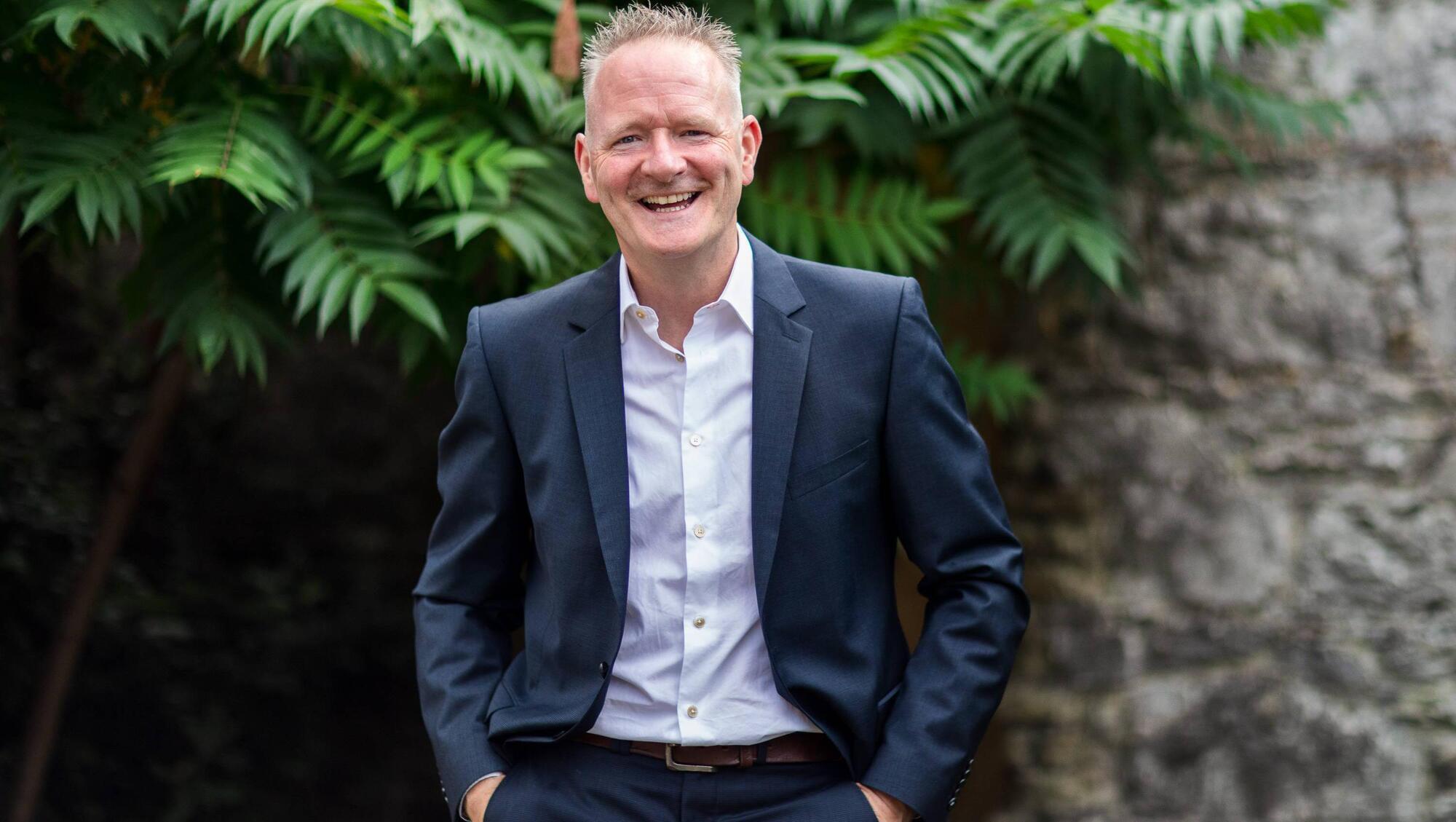
Dominic Moore: actor and puppeteer is making a new way for himself as a humanist celebrant. Picture: Janice O'Connell of F22 Photography
A job for life is nearly as obsolete as the fax machine with more and more people switching careers, sometimes in mid-life or even at 60.
Dr Eddie Murphy, clinical psychologist and assistant professor at UCD School of Psychology, says that “reinventing yourself can be very empowering.
"It can give you a sense of purpose and vitality. Despite the fears associated with new pathways, it can give you control and fulfilment.”
But major changes can trigger anxiety.
“For someone who has a natural preference for stability and predictability, making a transitional career change can bring a person outside their comfort zone.
"On the other hand, take an actor who has gone for auditions and would have had a lot of rejection. But the knowledge (associated with that) will help the person to know that suddenly, another door opens for them.”
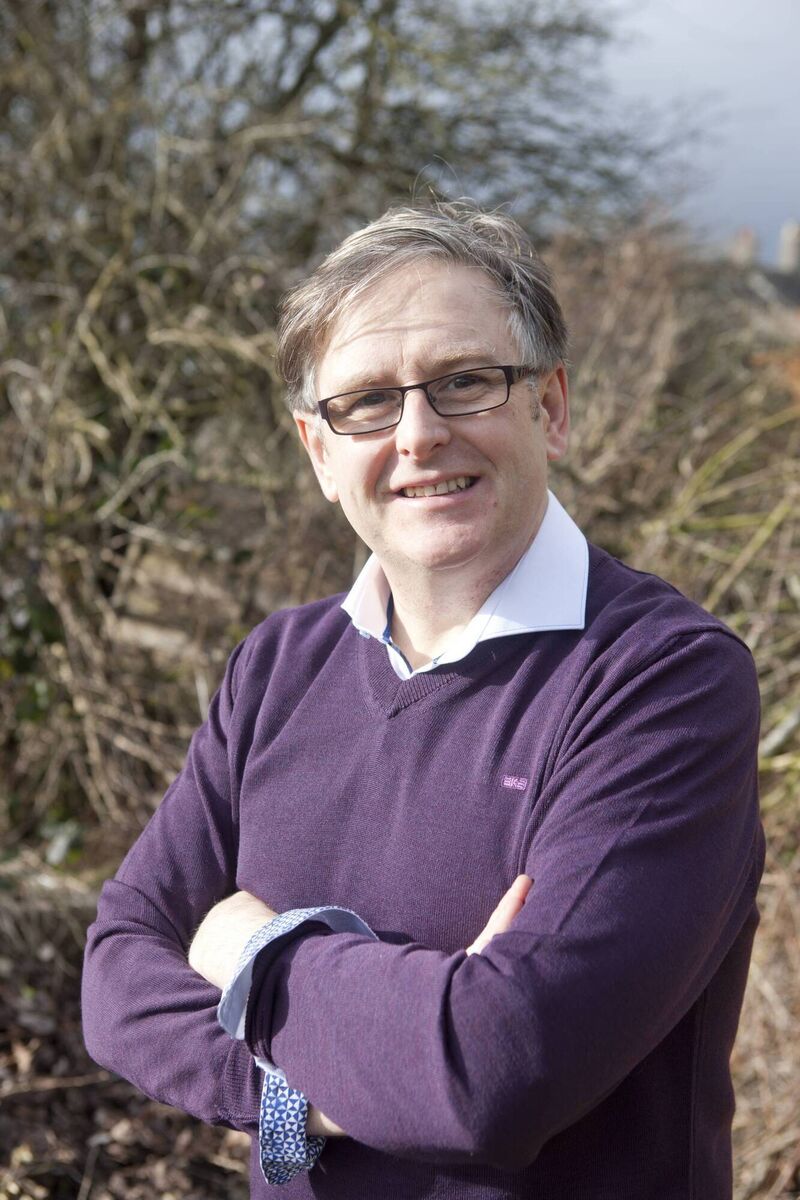
Dr Murphy adds that family expectations can create pressure when someone is considering a career change. “Having an open conversation with your loved ones can be really important.”
There is also the issue of self-doubt and an awareness of ageism that might stop an older person from venturing into a new career.
“There can be ageism in society even though it’s illegal to discriminate against anyone in employment based on their age.”
However, surely employers can see that it might be beneficial to hire an older person because of their life experience?
“Enlightened employers will value the late switcher. Things like childcare are not needed. There’s a level of wisdom in an older person.
"Take B&Q (the DIY and gardening supplies chain) who are known for taking on older workers and really value them because they can engage with younger people interested in DIY, showing them what they did in their homes.”
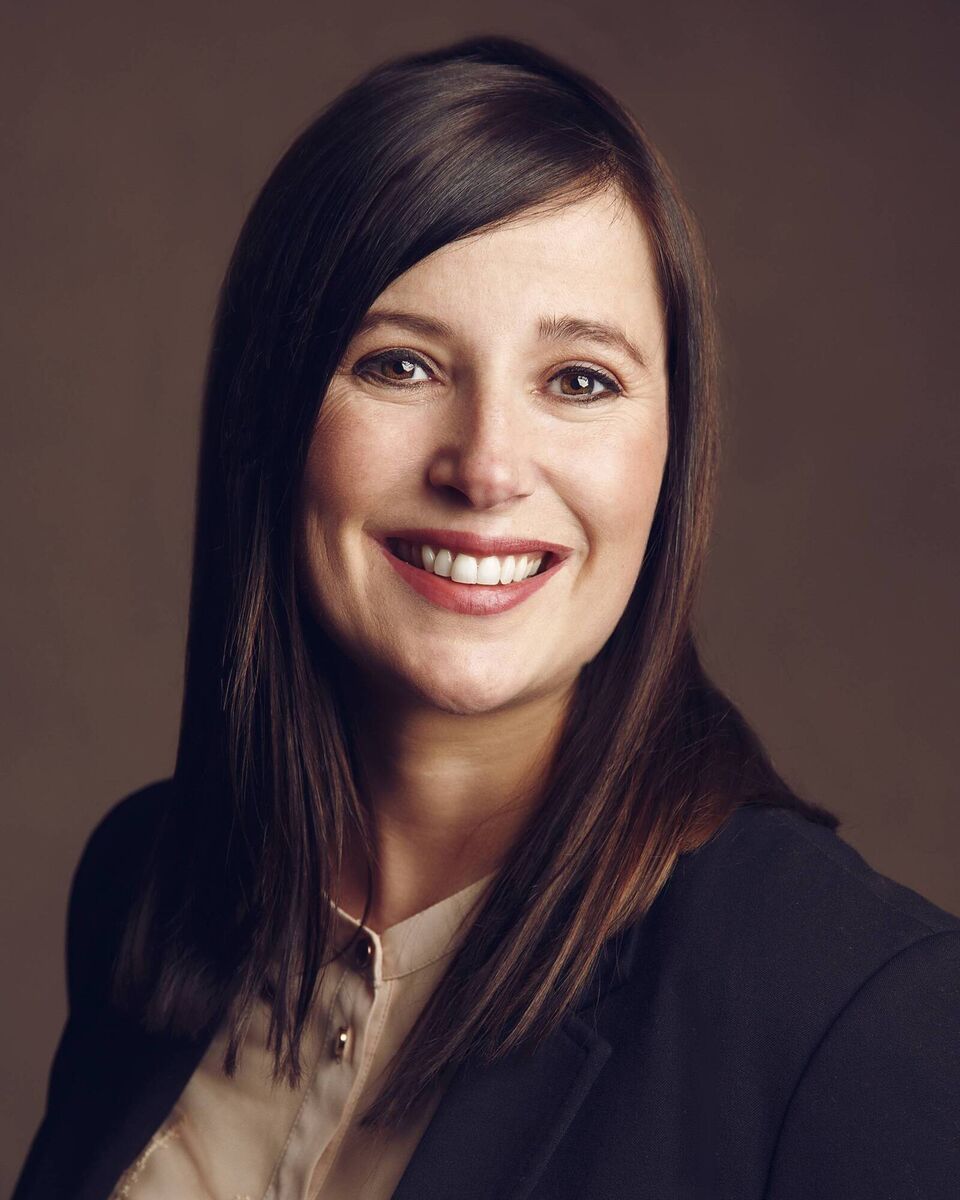
US vice-president and presidential nominee for the Democrat Party, Kamala Harris, will be 60 on October 20.
“Look at her go!” says career coach and author of ‘The Career Book’ Jane Downes.
“She is all over it. You have to adopt a Kamala approach if you’re serious about changing your career. You really have to be intentional, plan what you’re trying to do and make it happen. You’ve got to be able to leverage your network. At sixty, you will have a vast network of people. Don’t underestimate inside information when it comes to making that change.”
Downes adds that employers will appreciate prospective employees if they’re engaged in continuous learning, keeping them fresh and in touch with developments in their career field.
But she sounds a note of caution. “Where it can go wrong for the older generation is letting technology pass them by. That then becomes an issue.
"I’m not a technology wizard but trust me, you’ve got to keep abreast of technology. My advice is to look up job specs to see what people are looking for.
"Look at the technology platforms that companies are using. Make sure your Microsoft office skills are up there. Do an online course if you need to. There are learning platforms that can really help you and short reasonably cheap courses to keep you up-skilled.”
At sixty, business people can go the advisory board member route. Consultancy work as well as training are ideal areas for the mature professional.
But would an employer be reluctant to take on a 60-year-old given that they might only have five years of employment ahead of them?
“The age at which we retire is increasing. If an organisation feels they’re going to get you for five years, they’ll see that as a good thing. If you take a younger person, they’ll stay in a job for three to five years.
"The mentality of the life-long job is gone in most places so that’s really helpful if you’re older.”
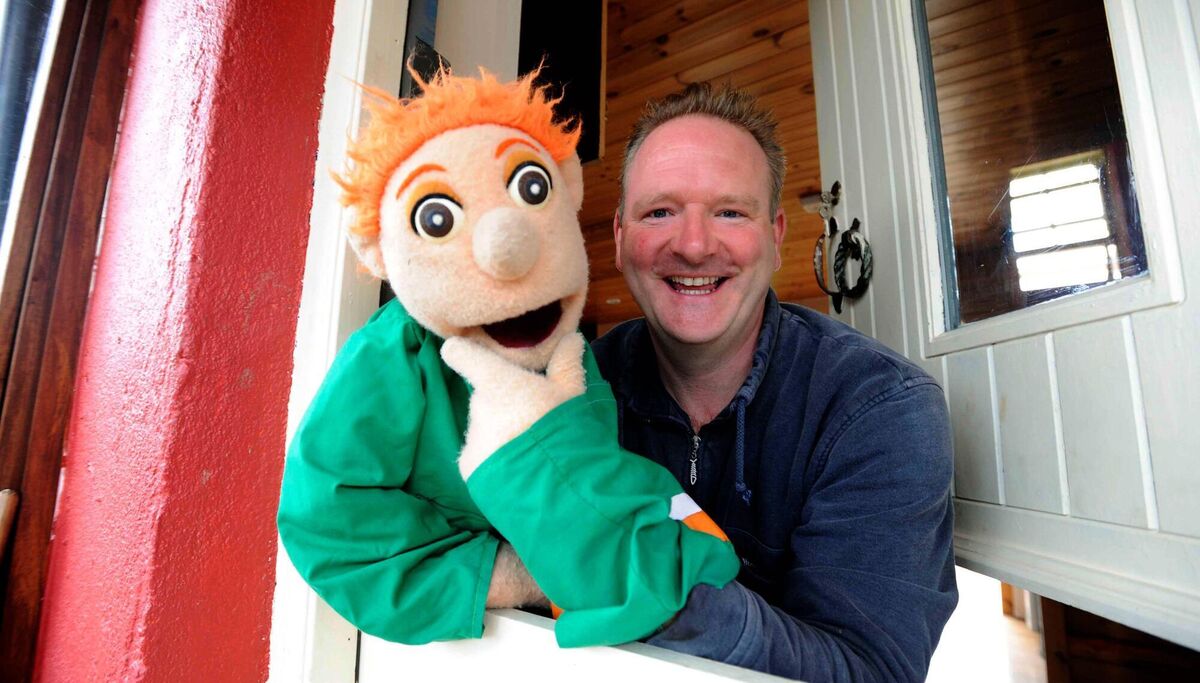
At the age of sixty, sometime actor Dominic Moore, who now has the makings of a portfolio career, started to train as a humanist celebrant with the Humanist Association of Ireland (HAI).
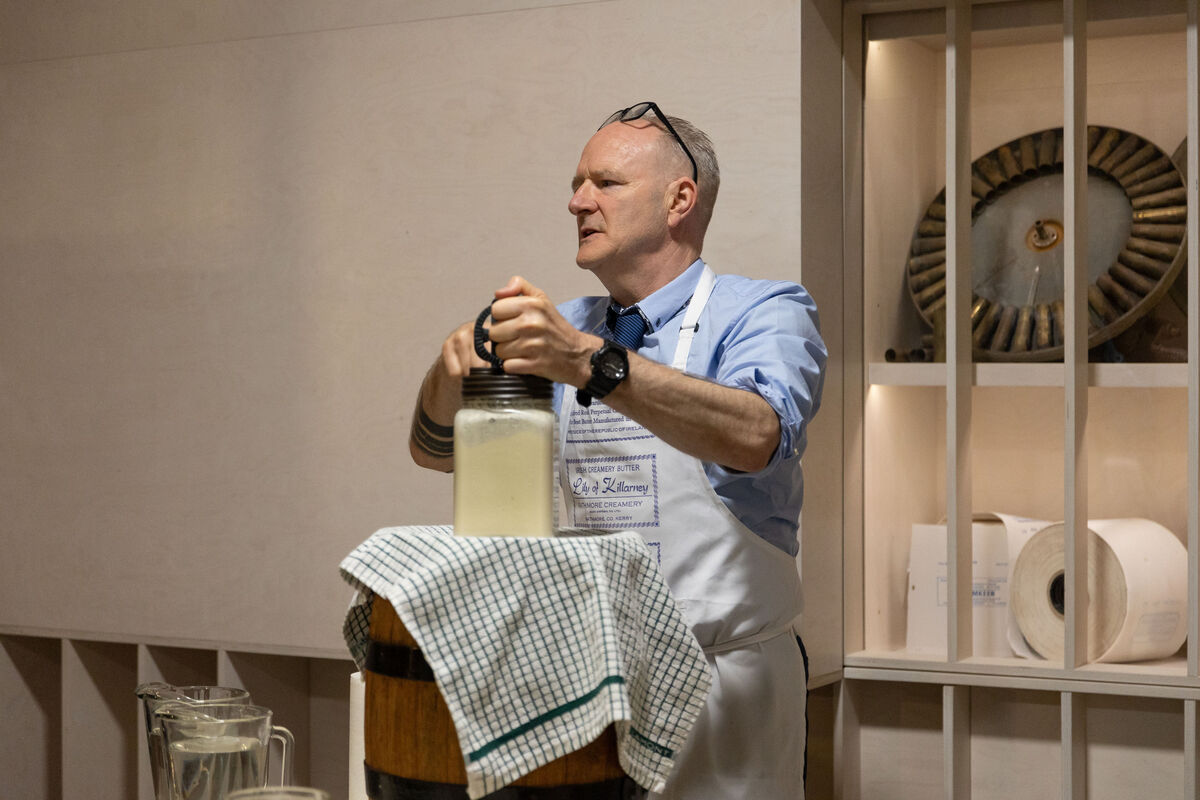
Now qualified, aged 61, Corkonian Moore will soon gain his Masters in digital humanities from UCC. He works part-time at the Butter Museum as a digital officer which involves helping to build a new website and digitising the museum’s collection.
While Moore hasn’t been on the stage since 2022 when he starred in ‘Whale’ at the Cork Opera House, he is “still very much open to acting work. But at a certain point in your life, you get serious.
"You have to realise that there aren’t as many gigs for older guys. It’s the same for actresses. But you also need to have the capacity to look around you and realise you need to fulfil yourself. So I went back to college.”
Moore says he isn’t motivated by money but hopes to earn money from conducting humanist ceremonies including weddings, funerals, naming ceremonies and coming of age events.
He has always been interested in humanism, describing himself as “non-religious but not anti-religious. For me, it was a natural progression to go from being a member of Cork Humanists to becoming a humanist celebrant with the HAI.
“It’s an outward expression of what I really feel. I hope the humanist work will continue until I die. It will keep me young. I want to be among these people and to officiate at the important times of people’s lives.”
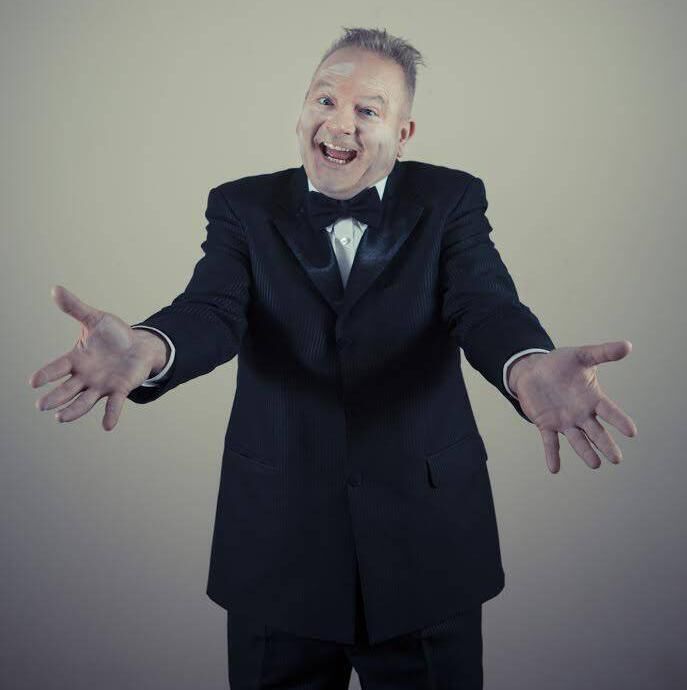
Having had a freelance career as an actor, Moore says it has had its challenges.
“But the whole idea of the freelance career is that you love it. You have to make your choices. You balance the fact that you love your work with the fact that it doesn’t pay so well. If you just get enough to enjoy your life and go for nice lunches, that’s fine.
"You don’t even need a holiday. If, however, you’re in a horrible job that you hate although you’re paid well, you’ll get a nice break abroad – for three weeks every year. I haven’t been on holiday for six or seven years. That said, I’d like to get away for a couple of weeks for some sunshine.”
Moore doesn’t worry about not having a decent pension pot.
“I have a little set aside from various other things from a long time ago. I don’t worry about it. My pension is my health.”
Six years ago, Moore made the decision to stop drinking and says it has been liberating. “I was drinking too much. Looking back on it, I think it was masking anxiety. That came to the fore when I stopped drinking. But it’s OK. You can manage those things.”
The sober life means that Moore is selective about his social life and who he associates with.
“Stopping drinking gives you a form of clarity that you wouldn’t have had before. But it does entail sacrifice. You are giving up a whole segment of your life, an element of fun. But you’re taking on something else and you’re becoming something else, transitioning into something you never could have imagined.”
Moore paraphrases the actor Anthony Hopkins.
“Stop drinking and great forces will come to your aid.”
Clearly, Moore is in a happier place, no longer waiting for theatre directors’ calls, forging his own way instead – maturely and purposefully.
CONNECT WITH US TODAY



Be the first to know the latest news and updates