Mick Lynch: 'I‘d support Cork in anything, even in tiddlywinks if they had a team'
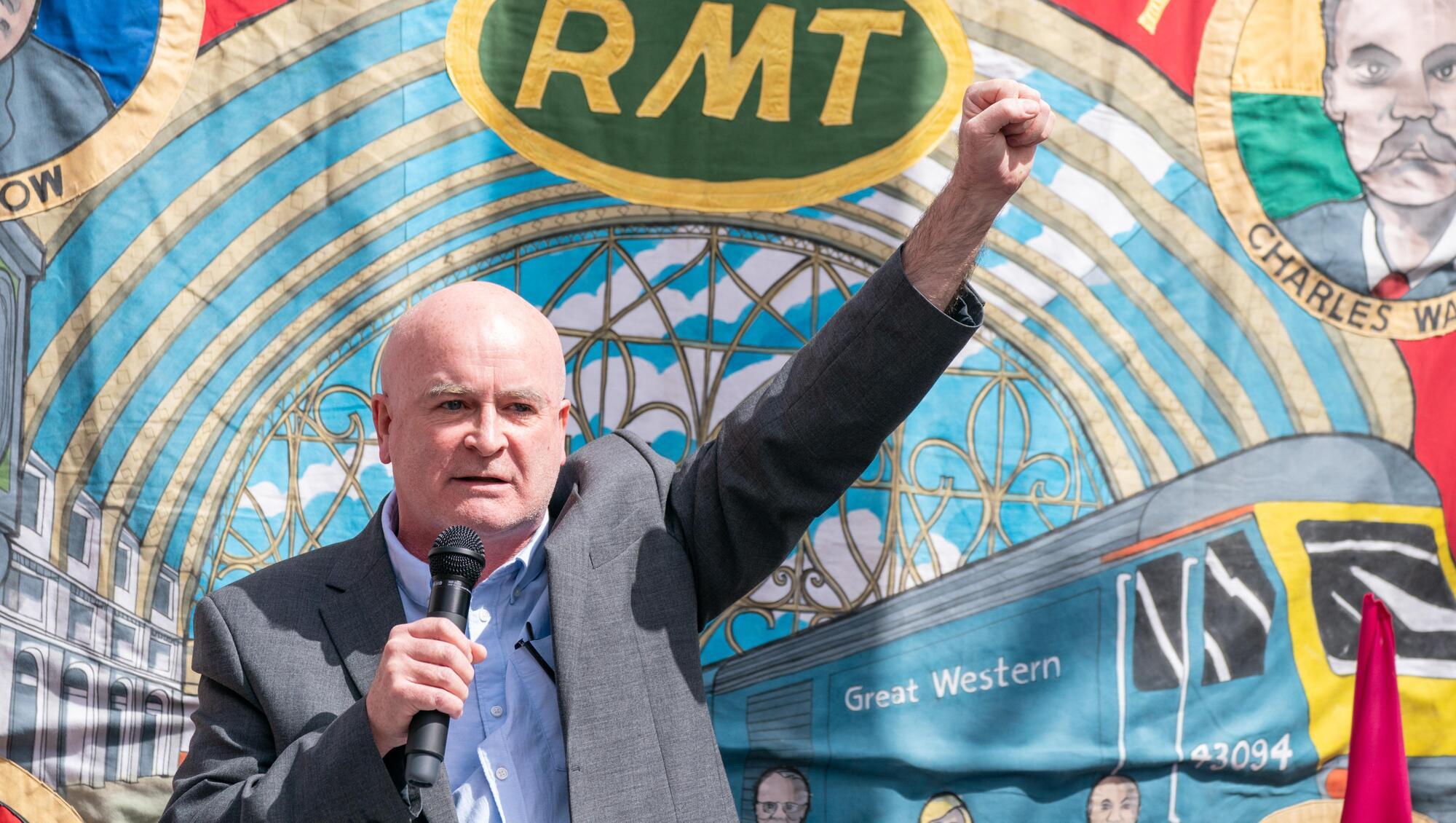
RMT general secretary, Mick Lynch speaks at a rally outside Kings Cross station, London, as train services continue to be disrupted following the nationwide strike by members of the Rail, Maritime and Transport (RMT) union in a bitter dispute over pay, jobs and conditions.
Mick Lynch has never sought fame. The Londoner has become something of a celebrity despite himself. Last year, when the union he leads, the National Union of Rail, Maritime and Transport Workers, went on strike to demand better pay in the face of rising inflation, his calm demeanour and unflappable logic won him many admirers both at home and abroad.
“I wouldn’t call it fame,” says Lynch. “But equally nobody wants to be in a union that nobody knows about. If you’re in a completely anonymous union then they are probably not doing anything. The RMT has always had a bit of a profile. We’ve always been at the cutting edge and had a leading role in the union movement but it has gone a bit stellar recently. I’m not stellar, but it’s gone into orbit really.”
Those that follow and support the 61-year-old would beg to differ with him on his modest opinion of himself. In the age of squeaky-clean social media, anxious pr, and the constant threat of cancel culture, Lynch’s brand of communication has been embraced by many as a breath of fresh air.
“I think it’s that bit of straight-talking and not playing the media game,” he says. “Using fancy words like 'disingenuous' when what a person is doing is 'lying'. And they’re just not used to that in the Westminster bubble. People are just too polite. They might not like to hear words like class struggle, destitution, and poverty, but there are people here, in working poverty, working full-time that are absolutely skint. It’s got to be told. Some of the media don’t seem to like it but the public seems to. They are hearing an authentic working-class voice talking about problems that they are seeing in their communities.”
Inevitably, some would prefer him to stay quiet on the failings of the country and its Conservative government. Abuse, both in the media and online is par for the course and some of it is aimed squarely at his background.
“I get called a Fenian, a Tim, a Communist, a Putinite, an anarchist, but you carry on,” says Lynch. “If I can do all of those things at the same time, maybe I’ll ask for a pay rise.”
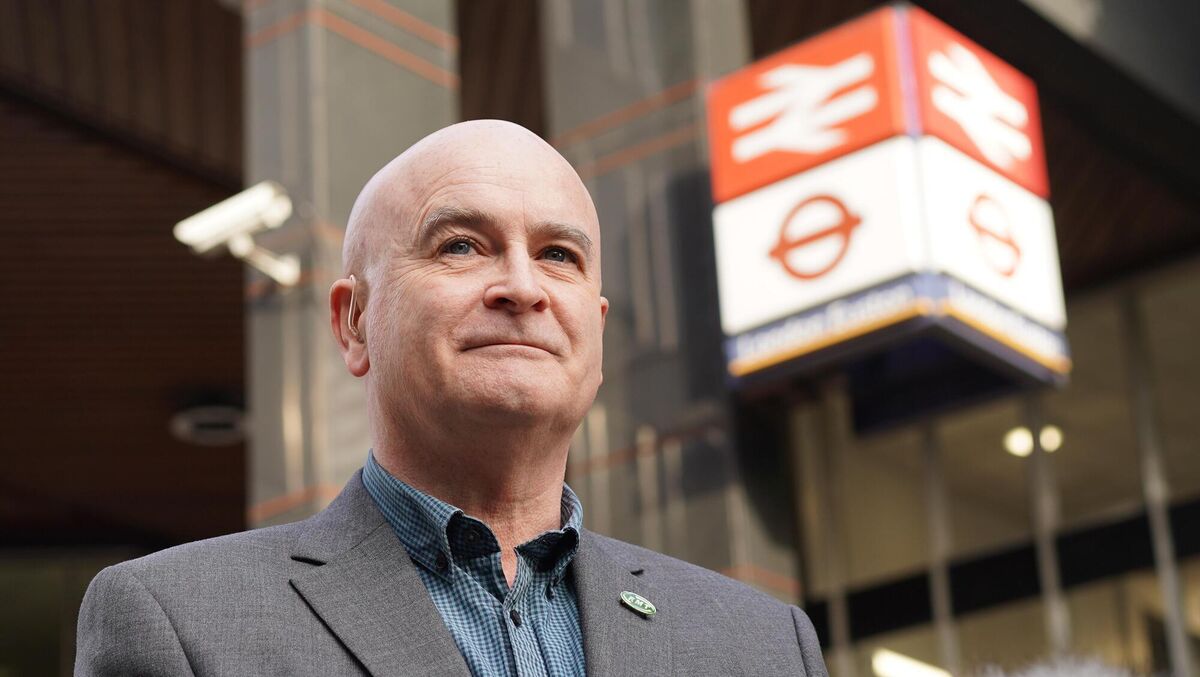
As his name suggests, Lynch has strong Irish roots. His father moved to Britain from Cork during the second world war where he met and married Lynch's mother from Armagh. Lynch was one of five siblings and was raised a Catholic in what he describes as “real poverty” in Paddington. Though poor, his home was rich with debate.
“A lot was going on in the news back in the day between the Vietnam War and Northern Ireland and there were lots of radical things happening. I was the youngest of five. So there was always discussion in the house, whether it was religion, politics, and music. It was quite an articulate house, loud, like most Irish houses and the community was like that too. There was a pub culture and you learn a lot in that environment; arguing your point or winding people up. That carried on into the workplace."
Lynch’s path to the role of Secretary-General was most certainly not “by design but…wasn’t an accident either”.
“My upbringing was in a Labour household and I’ve always been in the union and the union movement,” he explains. “My dad had been a shop steward in factories and he was a postman when there was a big strike in 1971. My sister was active in the Labour movement."
"We always elect people in our union and people have elected me for different positions and all these things are a matter of circumstances. When the vacancy came up, I was asked to stand and went for election. It wasn’t by design or a career path. It was more about tackling the tasks in front of us on the shop floor, in work and the union as an activist and then being pushed to the fore.”
The Secretary-General comes to Dublin to address the inaugural Robert Tressell Festival. The event takes place all day Saturday, May 6, in Dublin’s Liberty Hall and celebrates the life of the Irish-born author of . The novel, which was once described by George Orwell as “a book that everyone should read” is a semi-autobiographical work that tells the story of painter and signwriter, Frank Owen, and his co-workers, as they struggle with poverty, poor working conditions and unscrupulous employers at the beginning of the 20th century.
When a heavily watered-down version of the tome was published shortly after Tressell’s death from tuberculosis in 1911, it initially sold little. The ripples of that initial small splash would later turn to waves however, and its influence is credited, in part at least, with Labour’s victory in Britain’s first post-war election and the formation of the party’s first government.
“I read The Ragged-Trousered Philanthropists when I was about 14,” says Lynch. “It informed ideas that were already welling up in me instinctively through all those conversations and arguments we had at home and in the pub. It put some theory and some knowledge behind it and it still informs me now. Tressell wrote this book as an authentic voice of working-class people but as an articulate working-class man which you rarely see. You see these caricatures of ignoramuses who are swearing, whereas this was a well-read, knowledgeable person who had beliefs and theory behind him. That shapes you and it shaped several generations of trade unionists in the UK.”
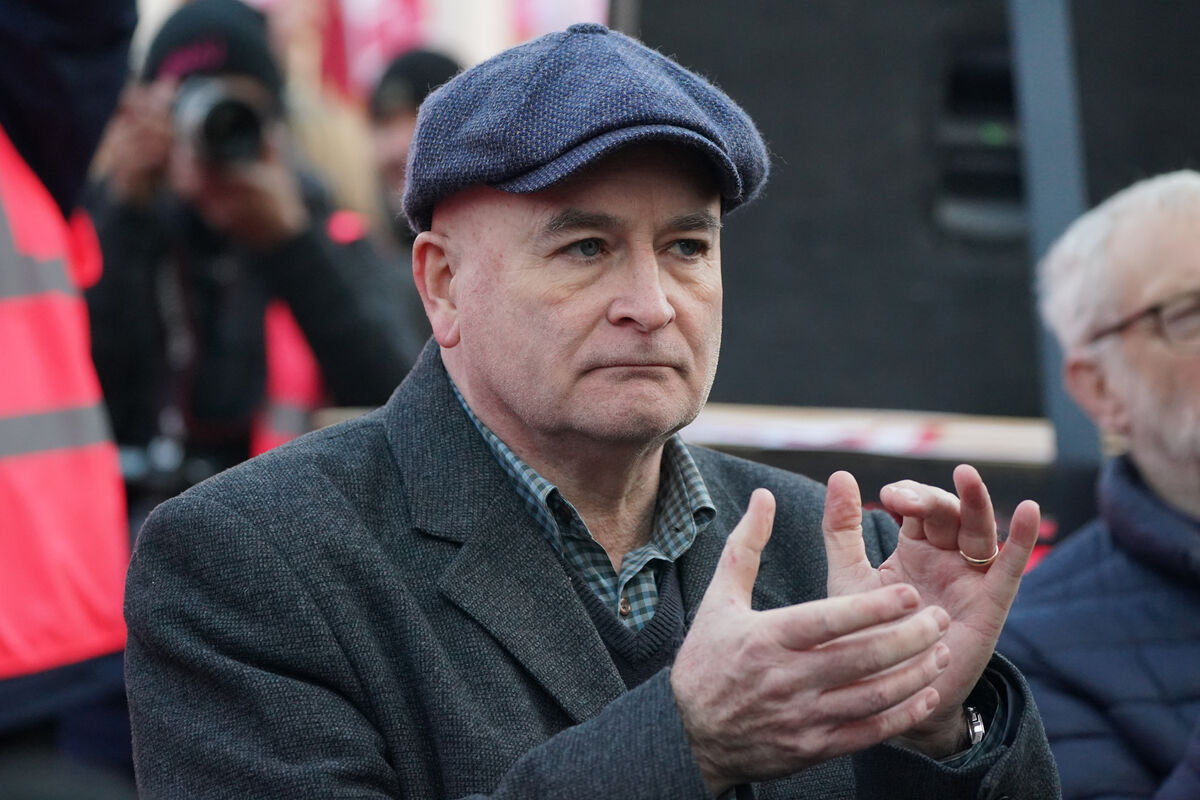
Though his seminal work has sold over one million copies, Tressell who was born and raised in Dublin, remains largely unknown in Ireland.
“I think he’s still jostling for a place really,” says Lynch. “When it comes to the story of nationalism and republicanism, there are a lot of ingredients already in the mix in Ireland. The main character in the book, Frank Owen, is English. Tressell died in the UK when he was quite young. And when the book was eventually published and gradually became popular in the 1920s and 30s, you already had a lot of history to discuss and get through in Ireland. So I just don’t think it found its place. Perhaps it will now.”
No doubt, Lynch’s appearance at this weekend’s festival will help that reputation along and he is always happy to make the trip back home. Unfortunately, he won’t have time to see his beloved Cork City take on St Patrick’s Athletic this weekend but he gets back to Ireland as often as he can and was famously spotted last year at Turner’s Cross.
“Unfortunately, we didn’t get over that often when I was a child,” says Lynch. “I only went back once with my dad, during the queen’s silver jubilee, because he couldn’t stand it over here. He used to go and visit his mother alright, but we could never go as a family because we were so poor. But I get over a bit more now. When it comes to Cork City, I‘d support Cork in anything, even in tiddlywinks if they had a team. I support Ireland too. I was watching Ireland play cricket before it was fashionable. I’m going to Athens to see the football team play against Greece with my son.”
Before that, Lynch has lots of work to do, and he will no doubt play his part in getting the Tories all out and keeping them away from the political crease for quite some time.
- The Robert Tressell Festival takes place at Liberty Hall, Dublin on May 6. For more visit: https://tressellfestival.ie/
CONNECT WITH US TODAY



Be the first to know the latest news and updates