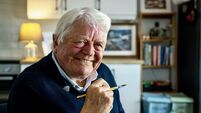
Siobhán McSweeney, Paul O'Connell and other Irish faces on simple sustainable swaps
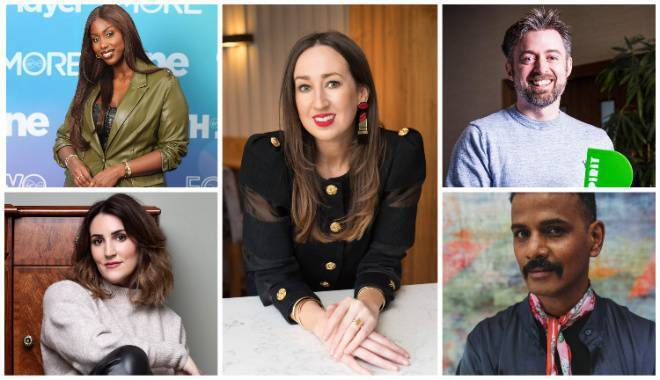
Some of the Irish people making small changes daily, clockwise: telly presenter Katja Mia; Gaff Goddess writer Laura de Barra; Marvel illustrator Will Sliney; artist Pradeep Mahadeshwar; Irish Examiner beauty columnist
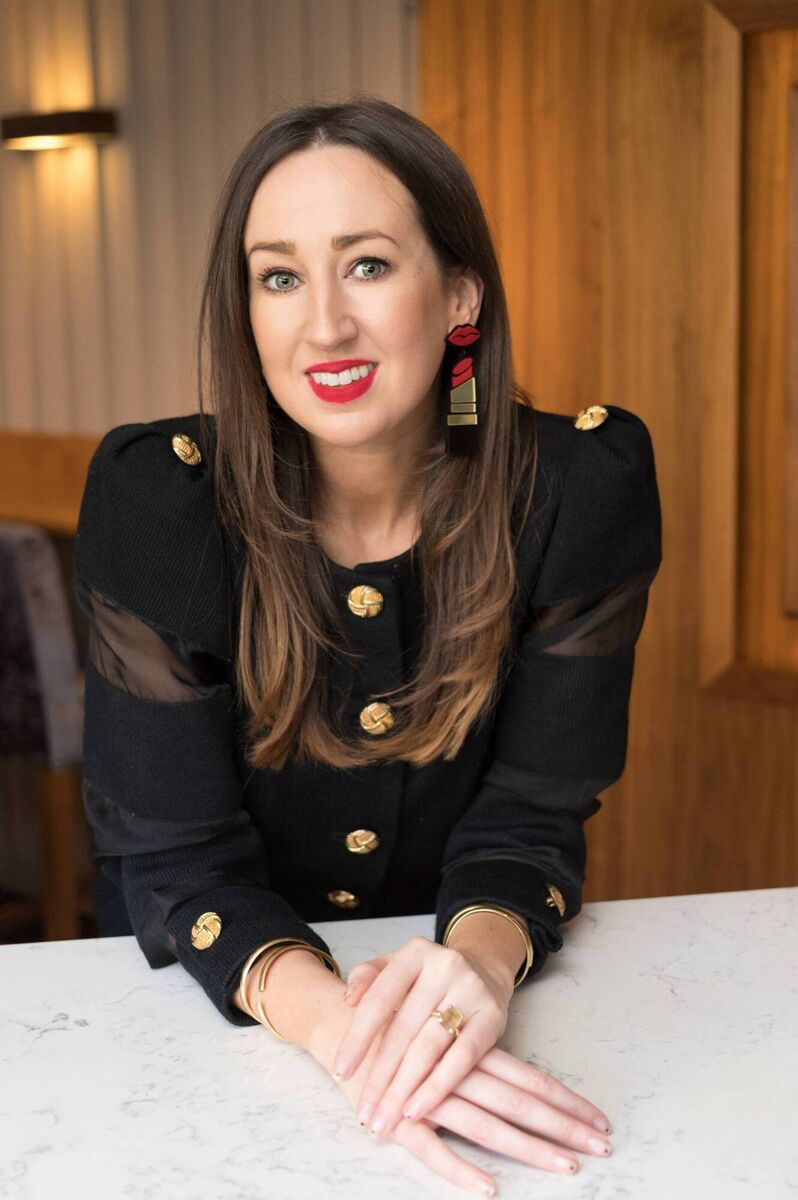
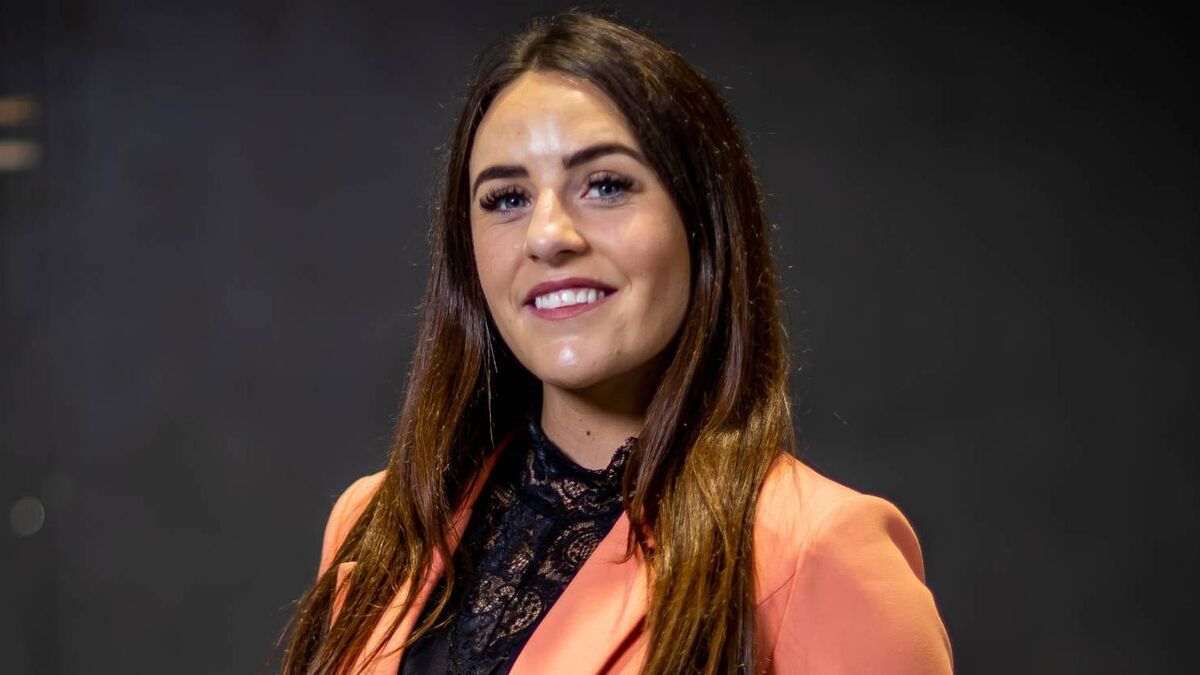
“Before buying anything, I check to see if I can get it second-hand/preloved/vintage. We overconsume so much that there is nearly always an option out there that matches our requirements, and most are much better quality than what is on the market right now.”
CLIMATE & SUSTAINABILITY HUB
“I always try to carpool, especially for training and stuff like that. And I use a reusable coffee cup and water bottle.”
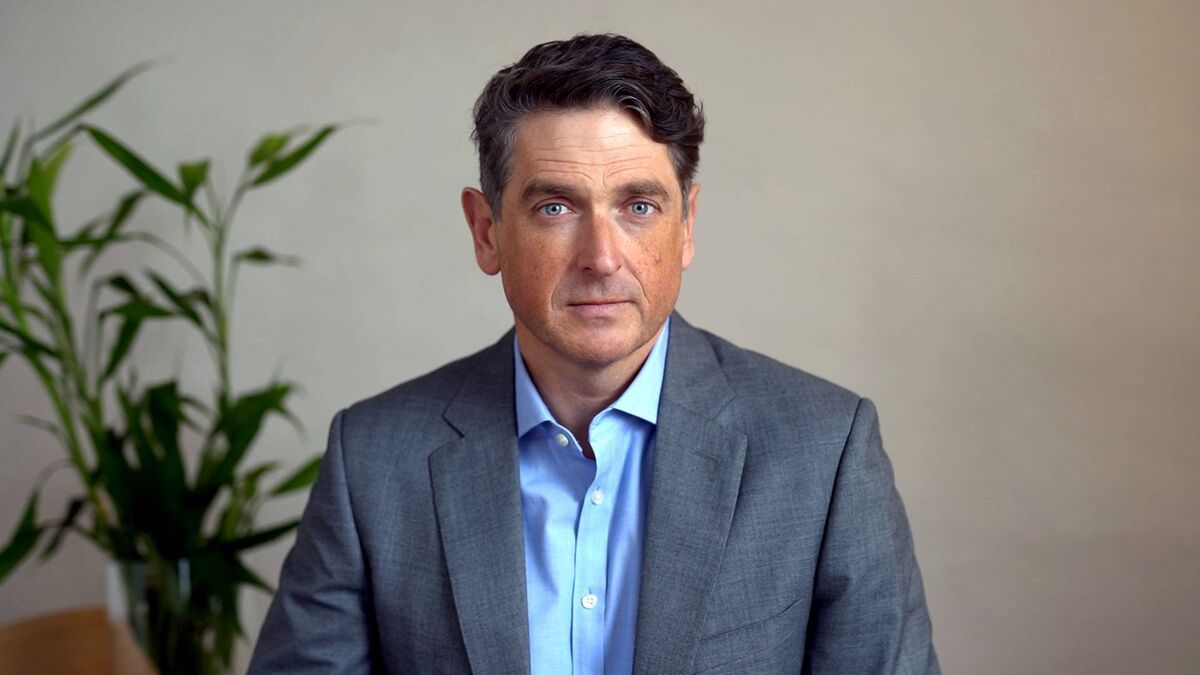
“Buying produce from local farm suppliers. We get our vegetables delivered weekly along with eggs, meat and shellfish. Food is obviously a necessity, but it’s also a carbon producer, and by shopping locally, you’re benefiting your local economy, and dramatically reducing your carbon footprint.”
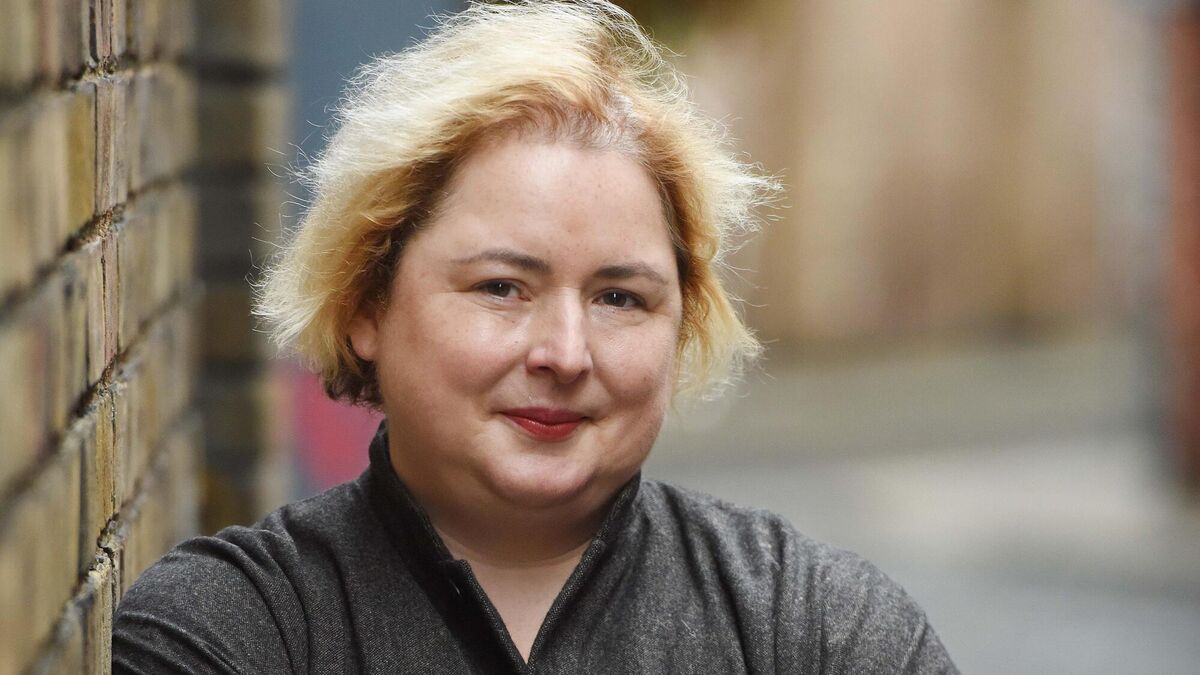
“I get a veg box from a company called OddBox. They do funny-shaped veg, the carrots are wonky or they grew too many broccoli [that month]... it’s whatever would otherwise be thrown out. I think that’s a fantastic initiative.”
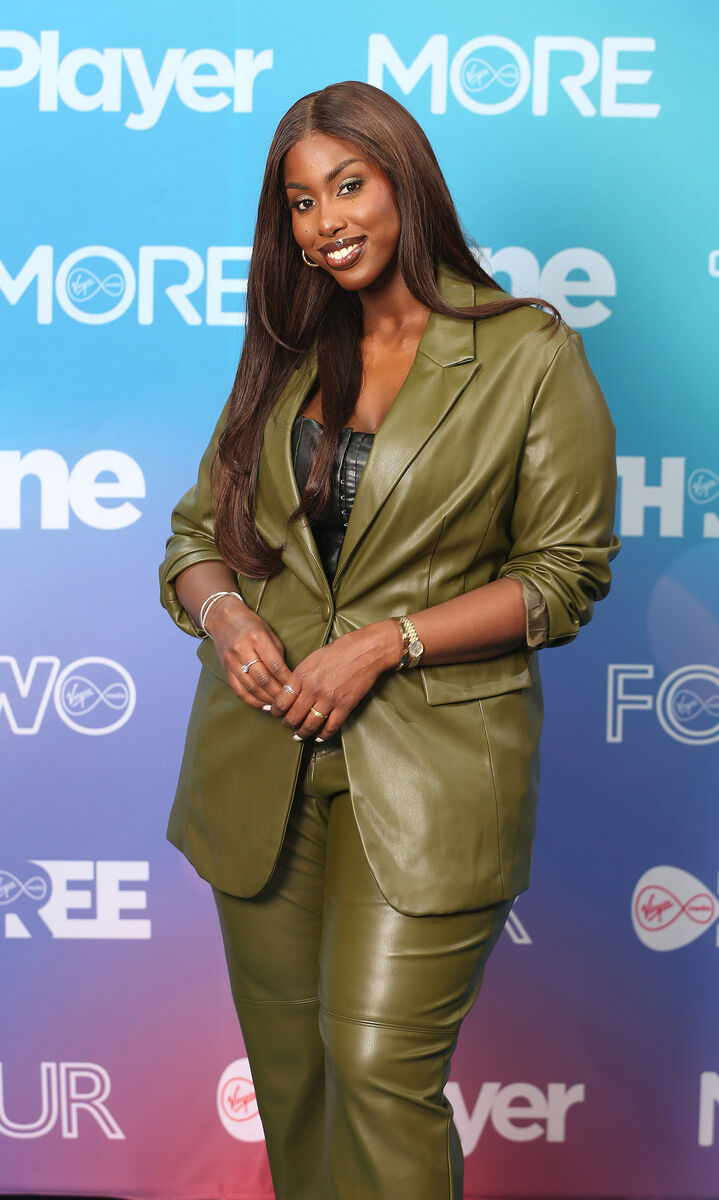
“As a full-figured woman, I never found there to be plenty of options when it came to finding preloved or vintage clothing I like. However, I’ve embarked on a journey of being more sustainable and it started with simply reducing my consumption of clothing massively. Now I shop for quality, not quantity, and invest more in capsule wardrobe pieces when I can. I’ve also started a Depop where I can buy and resell preloved clothing.”
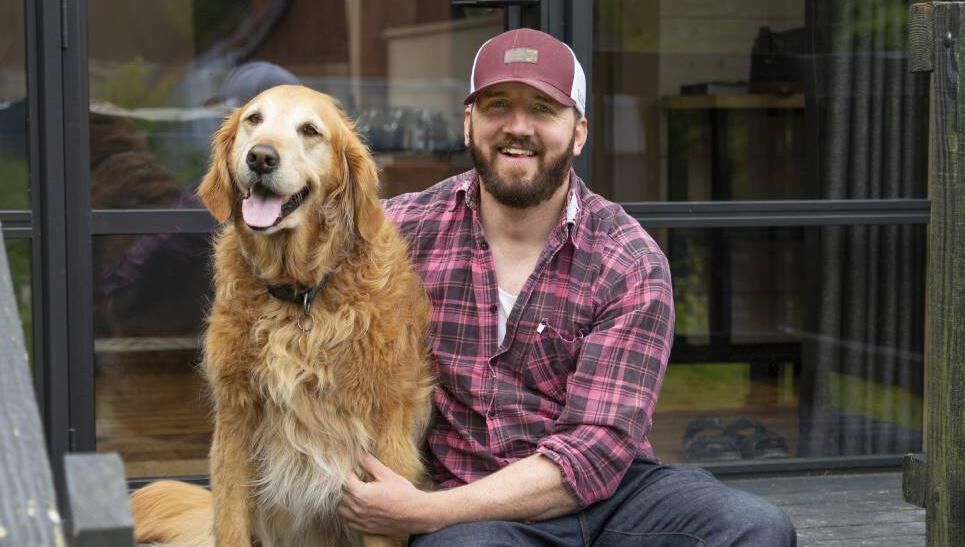
“My gig as a sustainable travel writer remains largely an oxymoron. I still fly … but much less than before … and I try to reduce my carbon footprint by staycationing and promoting Ireland more and by typically going overseas for trips that have a slow tourism or conservation value to me. I’ve also ditched the mindset of conquering the world map.”
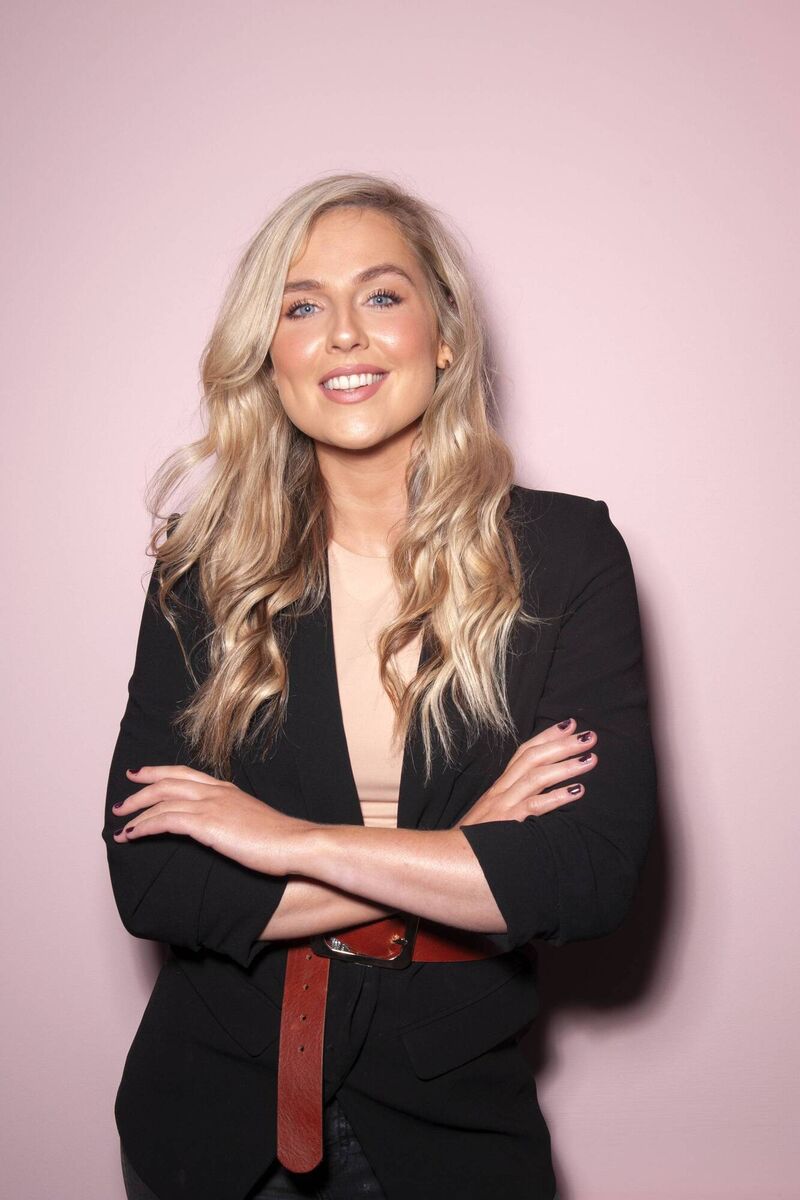
“I have switched to a reusable water bottle instead of grabbing fresh water on the go. In Sculpted, one of the biggest things we’ve done is our ReSculpted program where people bring back five empties and we carefully recycle them with TerraCycle and then we give them 200 points, which is worth €20 to spend on our website.”
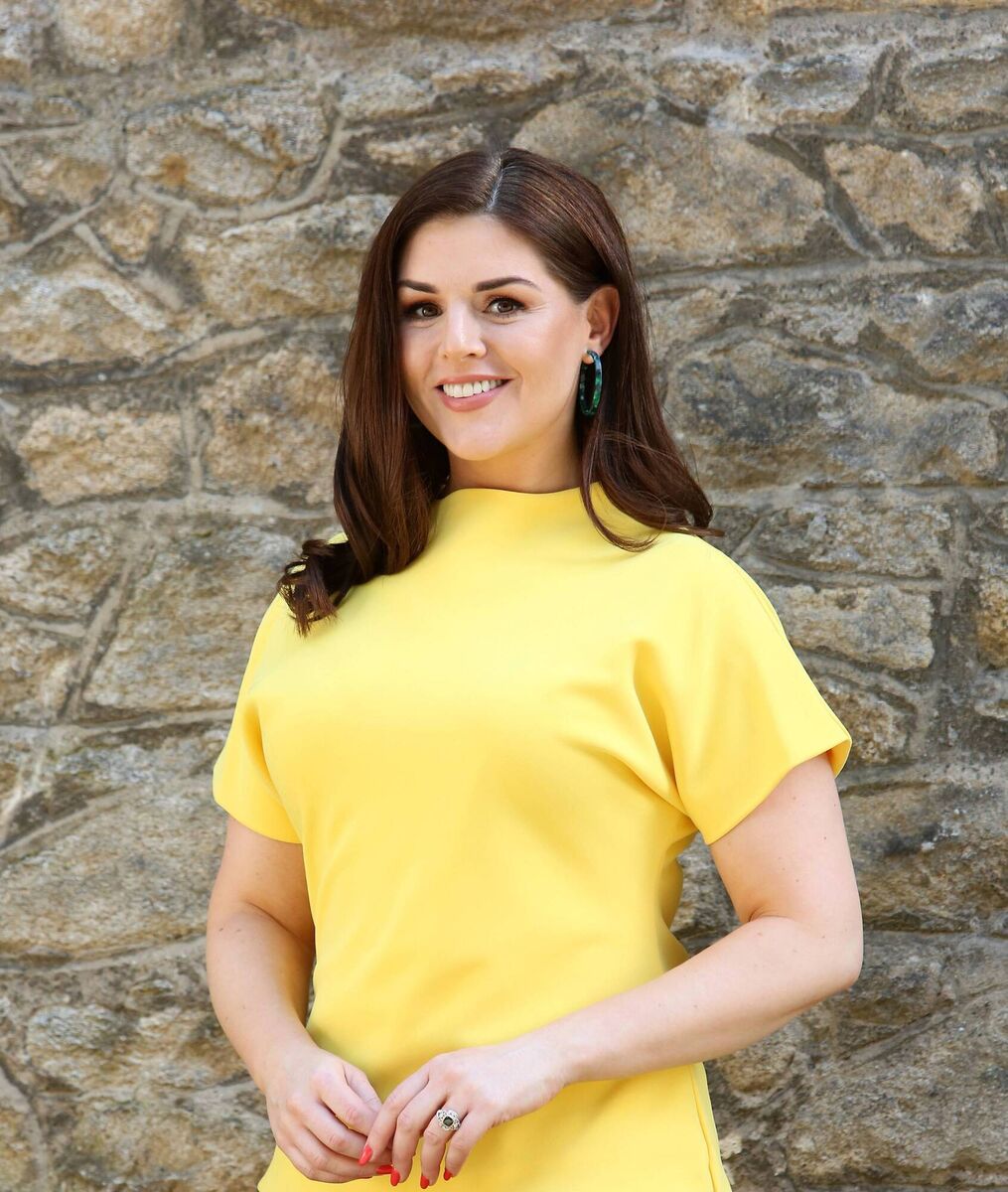
“I have bought far less clothing in the past few years in an effort to be more environmentally aware. It’s quality over quantity for me. I will happily spend on key pieces that I know will be worn and in my wardrobe for years to come.”
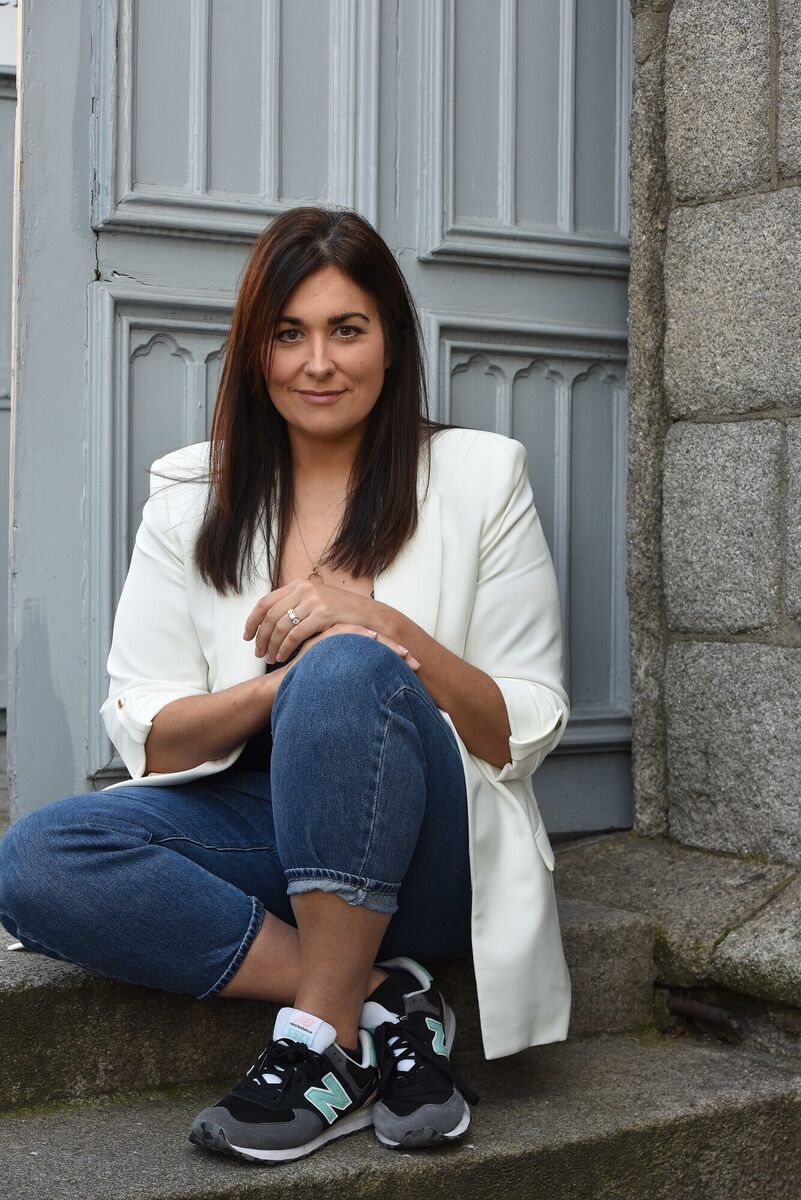
“We bought an electric car last year, replacing a petrol SUV. I have also moved my production meetings in London — which used to happen every month — online, to avoid the flights.”
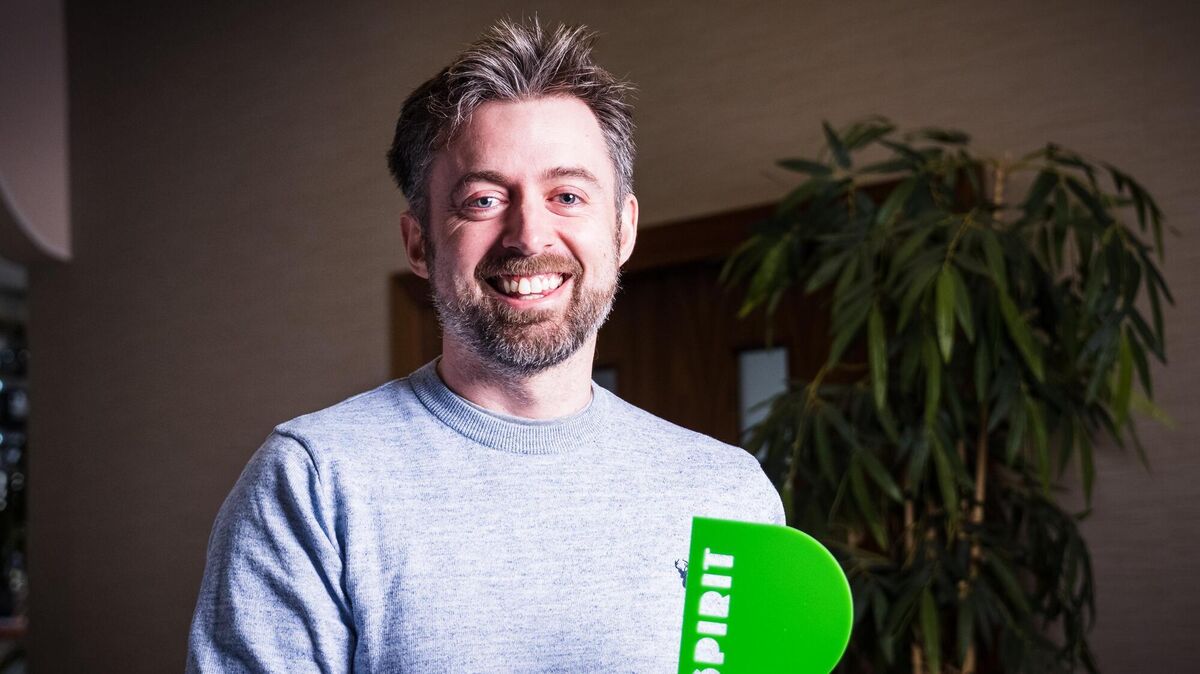
“We’ve gotten rid of all single-use plastics at home. My [carbon] footprint is low as I work from home all the time — that has been one change which seems like it should always have been obvious to do.”
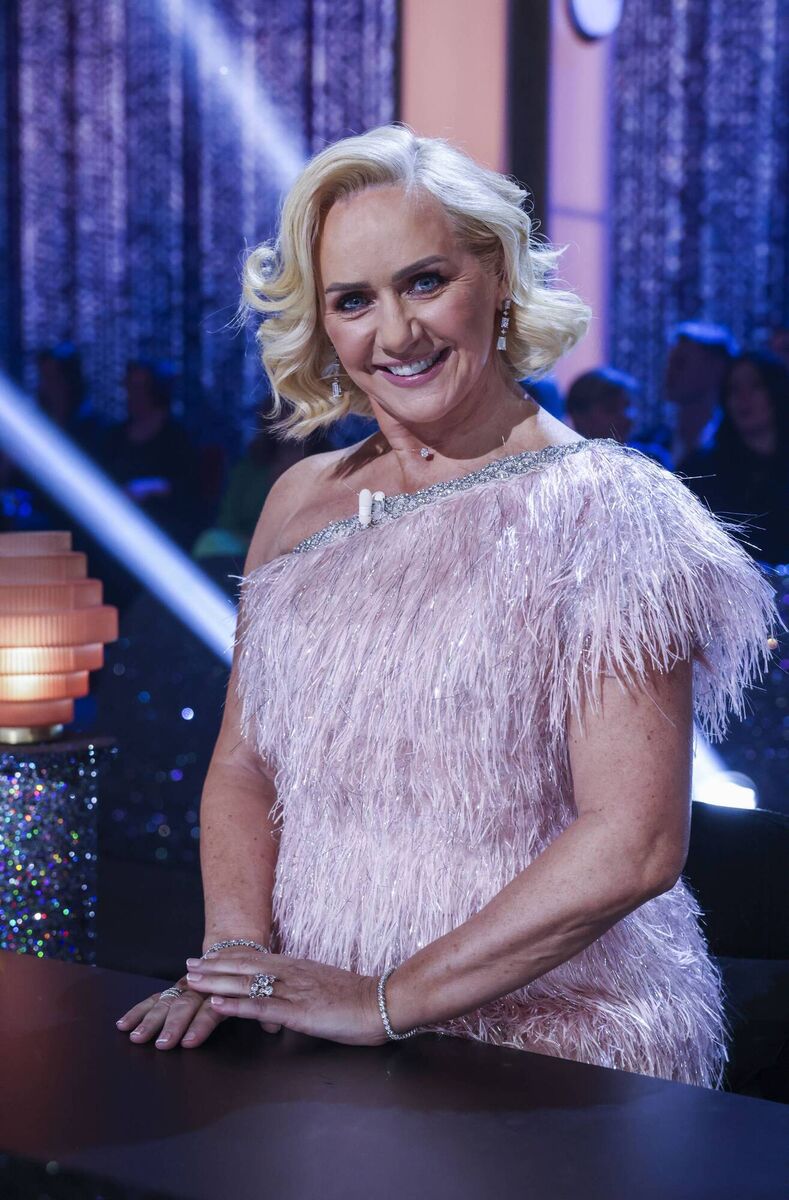
“The one change that I have made in my life is reusing my beautiful dresses. I am very aware of easy fashion, quick fashion, but it is not sustainable in our world. I’m also conscious that sequins are not biodegradable. I have a lot of dresses in my wardrobe that I am emotionally attached to. I used the top of a dress from 2018 matched with a dress from 2022 and came out with a fabulous new design for 2023. I want to continue this, as I think quality material is easy to re-use and create new styles.”
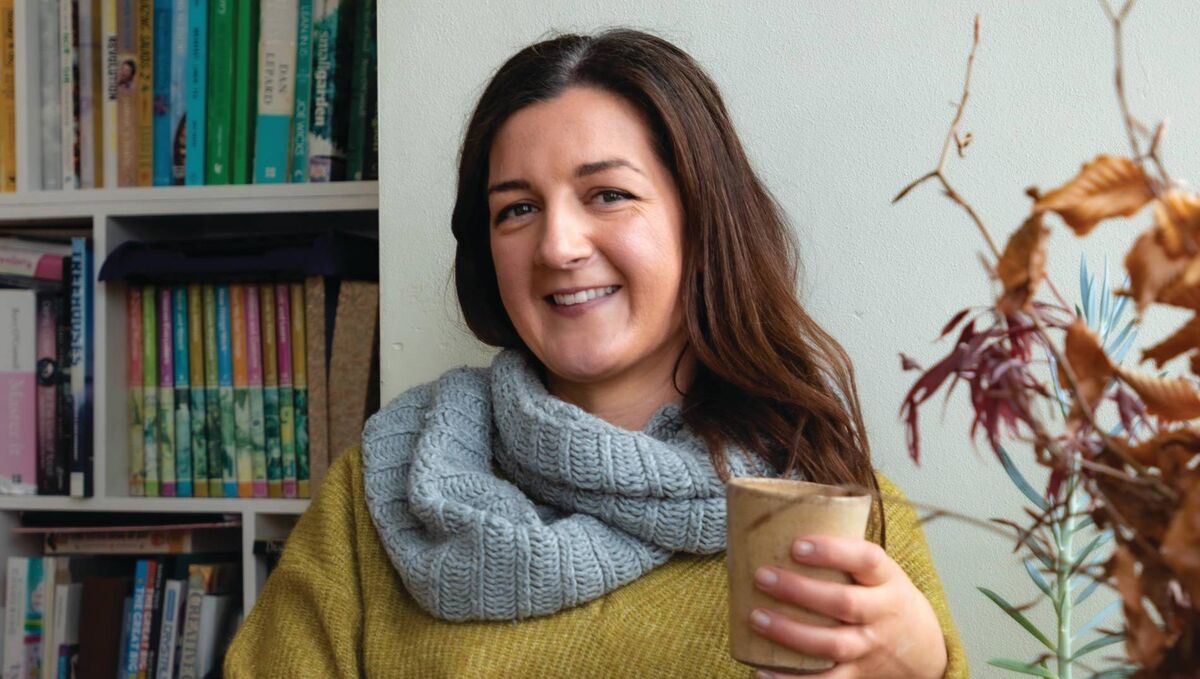
“We moved to a house where we can grow our own veg and have a more energy-conscious home. I also get a weekly plastic-free veg delivery from Green Earth Organics, a farm in Galway.”
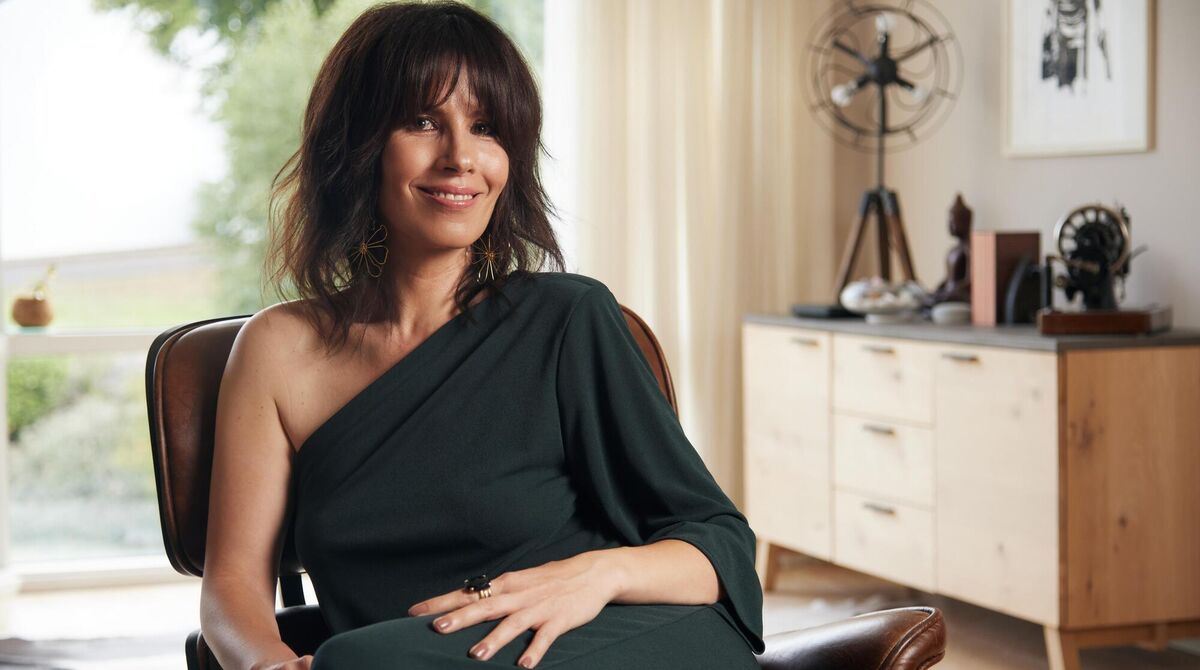
“One small sustainability change at the heart of how I dress is thinking of new ways to wear my clothes before buying anything new. A ‘wardrobe refresh’ starts with perspective and a dollop of curiosity. Often it’s not the garments that I’m fed up with, but the way I’ve been wearing them, which over time can lead to a pesky style rut. In the words of designer Karl Lagerfeld: ‘Reinvent new combinations of what you already own. Improvise. Become more creative. Not because you have to, but because you want to.’ Be playful. It’s the easiest habit to keep, and doesn’t cost the Earth.”
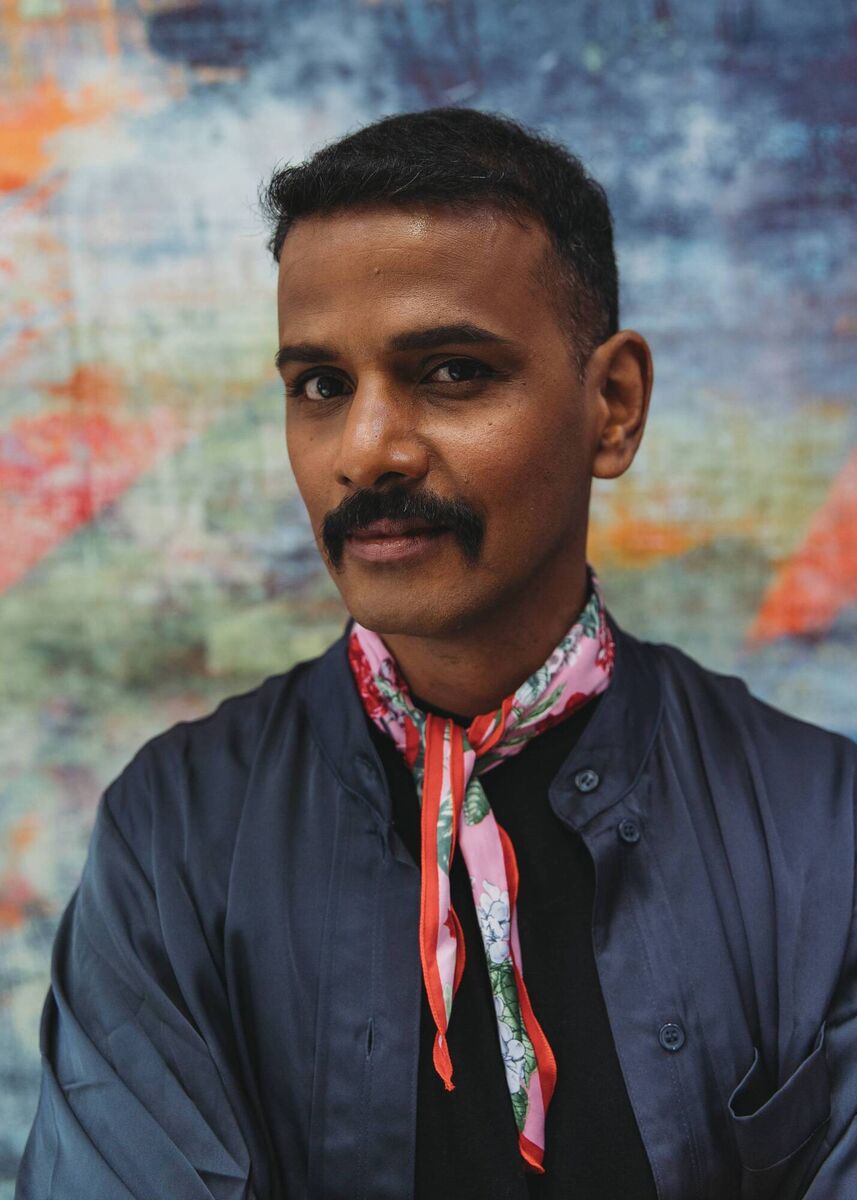
“I like to shop for clothes, necklaces, books, and home decor from the local charity shops. I prefer to buy secondhand things than new, branded products. It has been my way of maintaining sustainability for the last few years. I made a quilt a few years ago using three layers of my mother’s old saris and pieces from some of my favourite clothes. I have used that quilt every winter since 2017.”
“One small change I’ve made is to cut out short car journeys as much as possible. Instead, I walk or cycle. The exercise does no harm at all and emissions are reduced in some tiny way. Not forgetting another advantage — it’s often much quicker in times of heavy traffic to get to your destination by bike or shank’s mare. There are days now when the car never gets started, a big change indeed!’’
“I have been consciously trying to reimagine and reuse my wardrobe... I tried that also with an ex-boyfriend, but it didn’t work as well!”
“When I started my own journey, my first step was to run a waste audit [which] helped me understand my waste — what we were throwing away, and what we were throwing away the most. This gave us a starting point. We started to make small changes such as ditching single-use bottles and cups and then we went into bigger, more impactful areas such as food waste and solar panels.”
“I have started to carefully consider all new purchases, from clothes to household items and electrical appliances. I had wanted a Kindle for ages, so I got one second-hand. I also do my best to repurpose, mend, and repair things, from my favourite shoes to the handle on the toaster. The upside of consuming less is that life becomes less cluttered. I save money, and I have a greater appreciation for all the stuff I already have.”
“The biggest change I’ve made is switching from a fully petrol car to a fully electric one. I made that change two years ago, and although it took some getting used to — namely finding chargers when travelling, planning for journeys and accounting for the time it takes to charge as well — I’m so happy I’ve made the switch. I’ve saved a fortune too.”
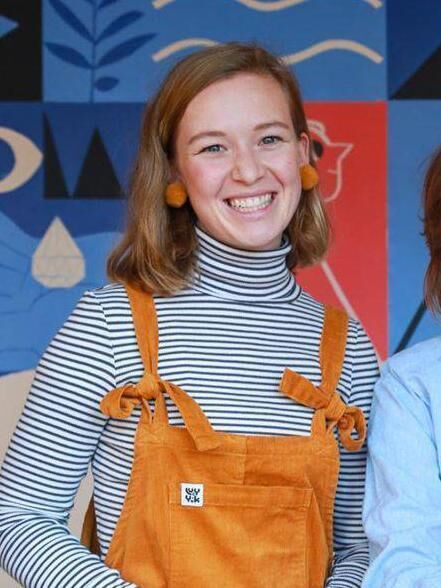
“Making my own vegetable stock. Keep a large lunchbox in the freezer and fill it with veg scraps — onion skins, potato peels, herb stalks etc … Once the lunchbox is full, boil up the scraps, drain, and you have the most delicious and smug-worthy stock.”
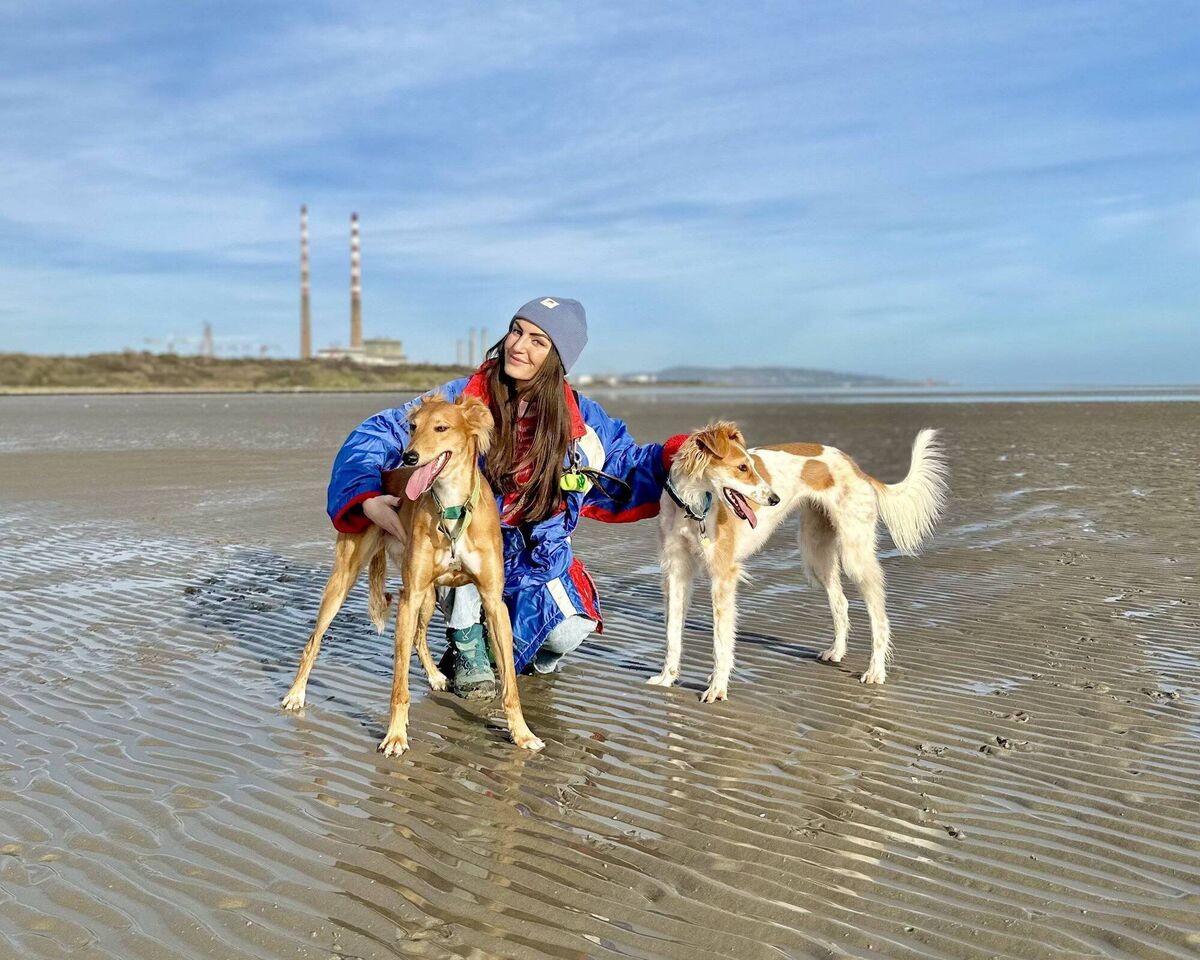
“Feeding our dogs sustainably with dry food instead of wet food. It significantly reduces the emissions incurred by our four-legged friends’ diets.”
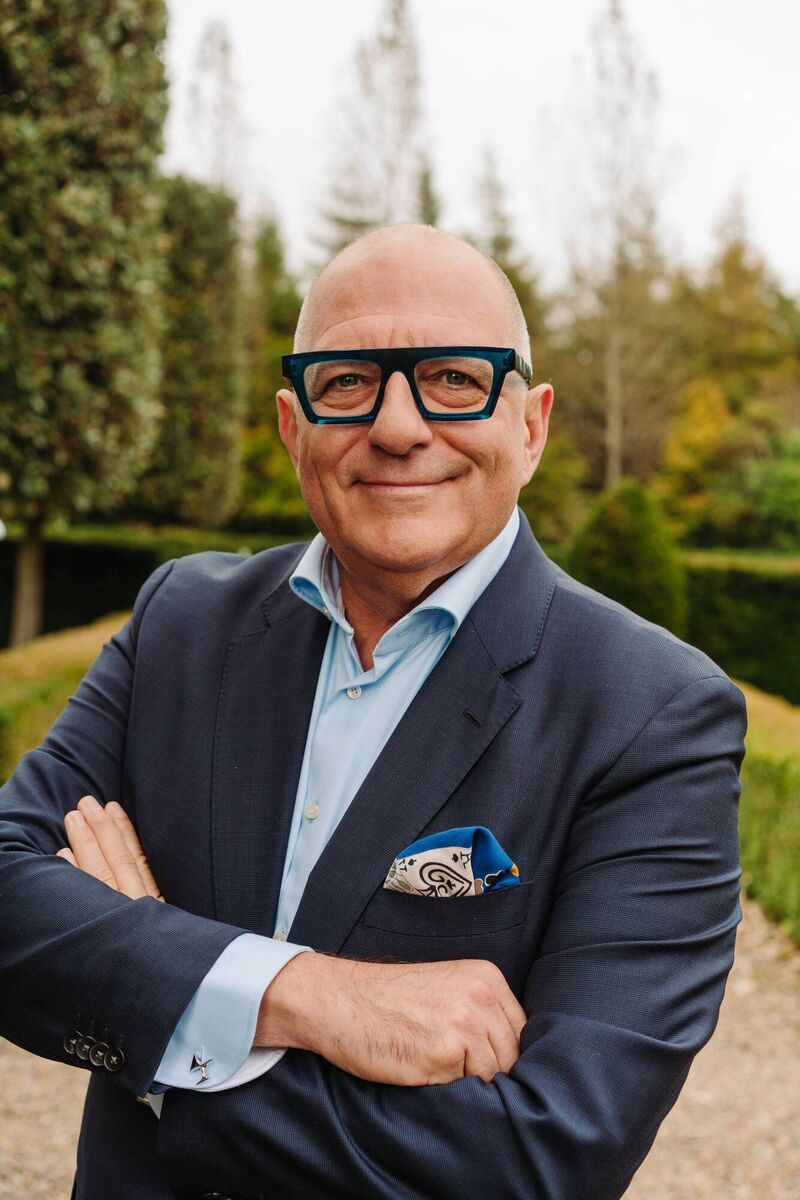
“Moving to the city centre. I don’t need a car now for day-to-day living. For me, it was a choice between living in the suburbs and using a car every day or living in Dublin City centre. Now I can walk everywhere and use public transport. It allows me to live independently and more sustainably.”
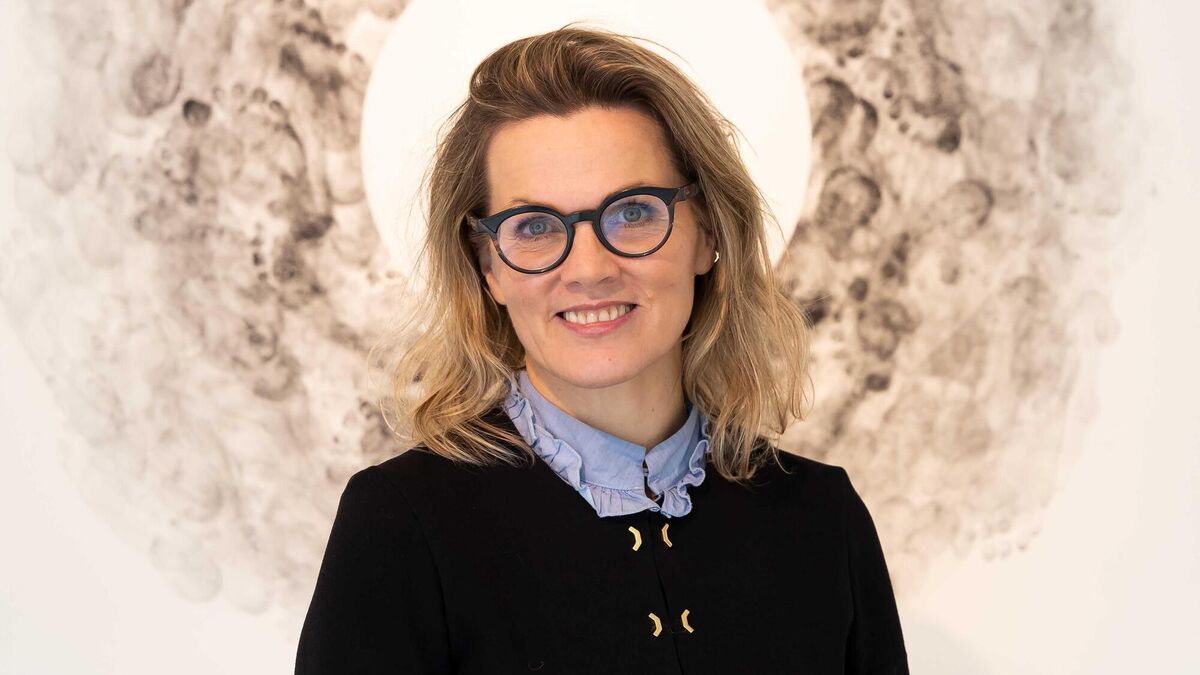
“I’ve started growing vegetables. I used to be scared of bugs and worms, but now I just see fruit and veg, nothing could have prepared me for the pleasure of it, a freezer full of strawberries ... I’ve never tasted red onions so sweet...”
“I stopped using cotton disks for makeup removal. I was going through one to two packs a month, filling up the rubbish bin in my bathroom. I bought a pack of reusable bamboo cotton pads from Alpha H, and haven’t looked back since.”
“Going from a two-car to a one-car household. My beloved 1992 Saab 900 died a natural death and I didn’t replace it — I use Irish Rail, AirCoach, GoBus, and CityLink instead.”
“With the exception of a bit of turkey at Christmas, I have cut out meat (almost entirely) from my diet. This was a big step, as I grew up on a beef farm in Longford, but once you get a few tasty veggie recipes under your belt, you’re away in a hack! I’ve reached the point where I no longer miss eating meat. I still eat fish now and again, but would love to eventually phase that out too. One step at a time...”
“The main thing has been my attitude to one thing: comparison. I used to feel glum because I was not as good as other people, the meat I eat, the diesel I burn, the sheer amount of STUFF I consume.
“But I’m not competing with others. I’m merely competing with the different version of me who would do sweet f-a. So every single tiny thing, a cycle or train/bus when a car would have been easier, getting a few more wears out of clothing, getting shoes mended, that one extra meal that was a bit less meaty, that one bit of rubbish I picked up, that one miserable little sapling I planted.
“All tiny compared to the problem, or compared to what some heroes do. But still, a bit better than if I didn’t give a shite. And those little victories or self-administered pats on the back are my little vitamins when dealing with an absolute dose of glumness about the state of nature or tonnage of extra CO2.”
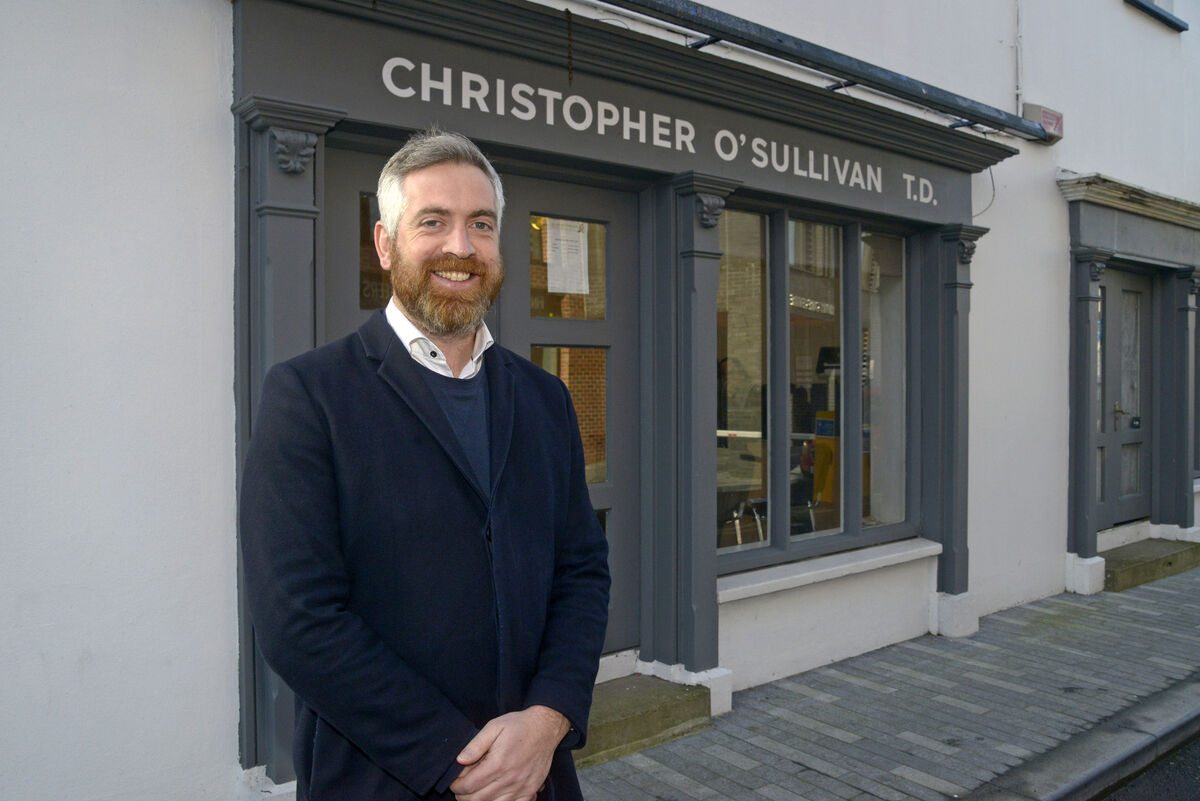
“Using the train to commute from Cork to Dublin more often and as well as that, I walk from my accommodation into Leinster House. At home, biodiversity is incredibly important to me as well as protecting habitats, so we let the lawn grow during the months of May, June, and July, which is excellent for attracting insects and birdlife. In March, I planted about 30 native Irish tree species around my home.”
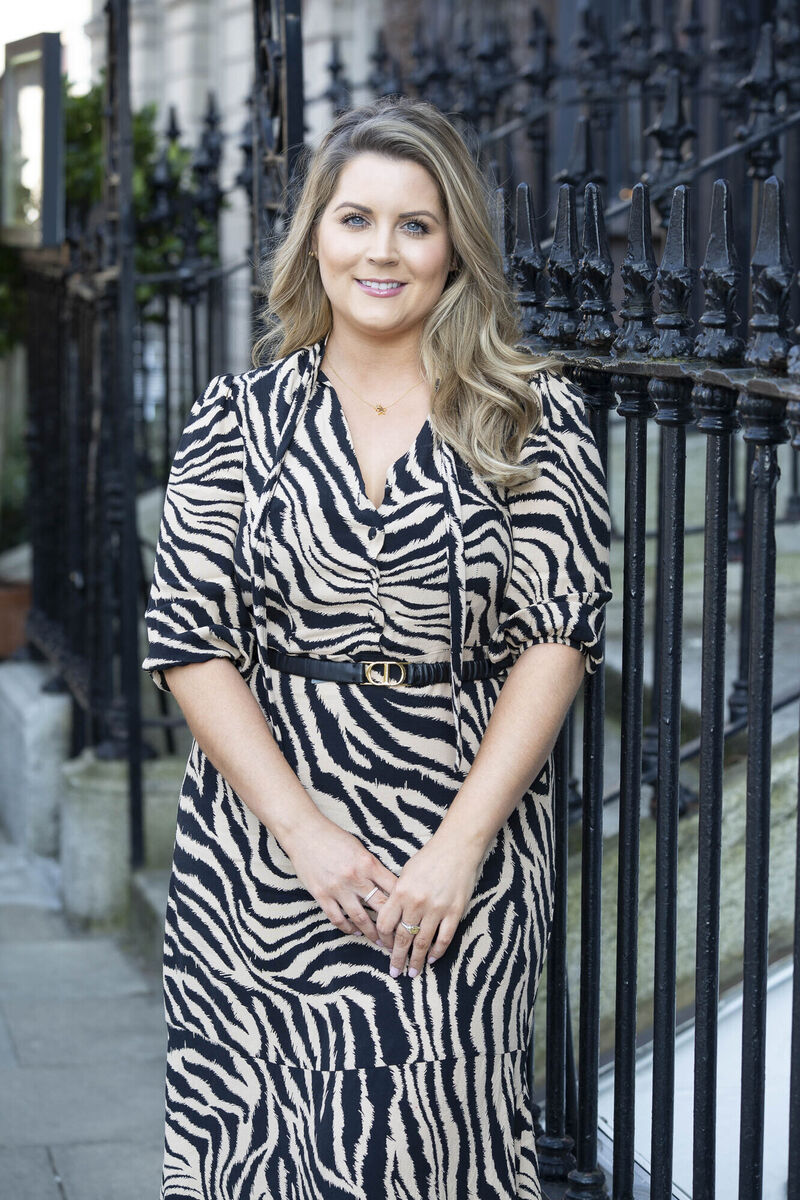
“I have started using exclusively reusable bottles for water — even when I’m at home, I have my mum and boyfriend on it too! We got ourselves a Brita and never looked back. Next on my list is to get something more sustainable for my sparkling water addiction! It’s a small change but I can already see the difference in the amount in our recycling bin.”

“Reducing food waste, not using pesticides in the garden, eating more plants, reducing our plastic and energy use ... if I were to [give one tip], it would be to lobby your local politician. While our small changes are collectively very effective, wider structural change in our food system is necessary for a larger impact.
“Government can rethink its buying power, for example. Imagine if all hospital patients were served locally-grown Irish food, if all the canteens in our Government organisations and universities did the same, how it could help our vegetable growing, and food sectors?
“Farming methods that support biodiversity and regenerate the soil could be explored and funded. Vacant plots of land could be turned into community gardens and much-desired allotments and help green our cities.”

“Choosing a brand that is B Corp certified or is mindful in its production. Drinking from the KeepCup on the go. Not buying plastic bags in the supermarket. Walking when the sun is out rather than taking the car. Vintage shopping ... who doesn’t love a reason to rummage through a treasure trove rail?!”
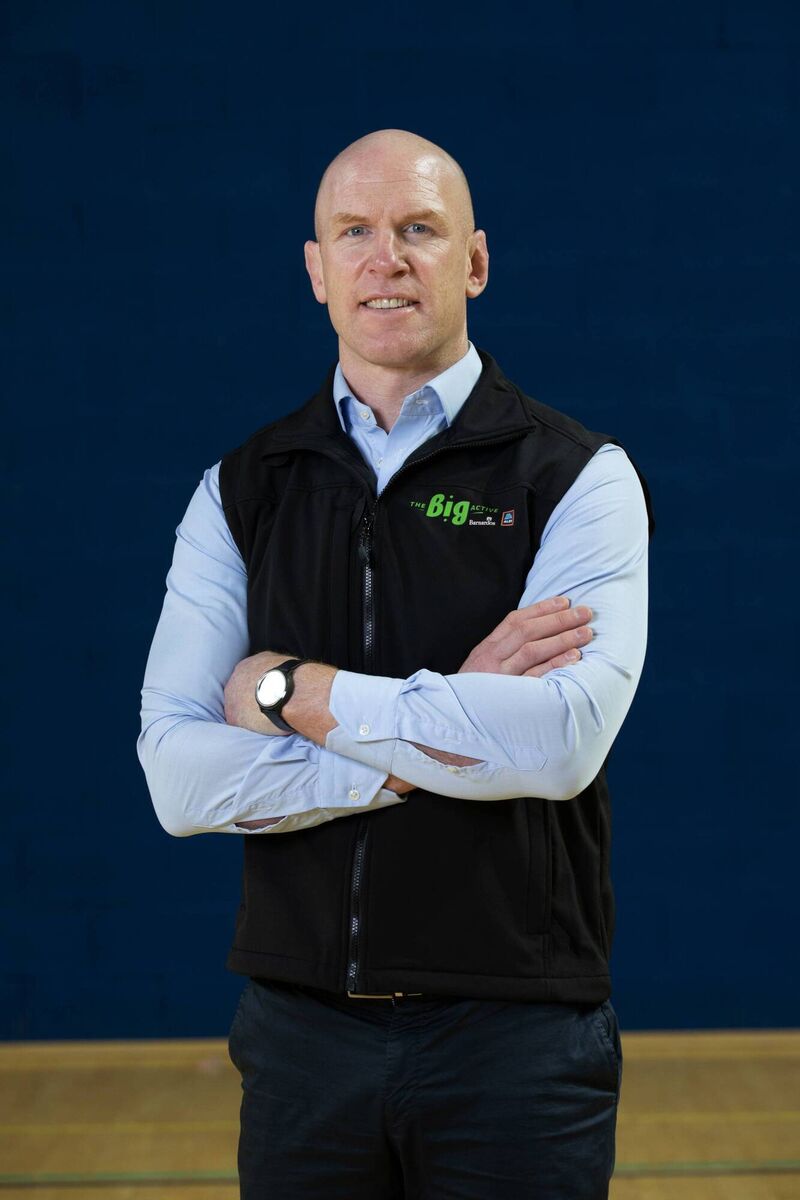
“We’re good at recycling in the house. I’m definitely getting more conscious about plastic [and the] use of plastic — even the kids’ toys. We’re getting more conscious of not buying things that we don’t need, trying to use less. That would be the biggest thing.”

“I got a newsletter in the door of my apartment block about renewable energy being used more at certain times of the day, so I’ve become more aware of what times are better for doing a wash or using the hot water. I’d love to do a course to learn how to make new clothes from clothes I already have.”
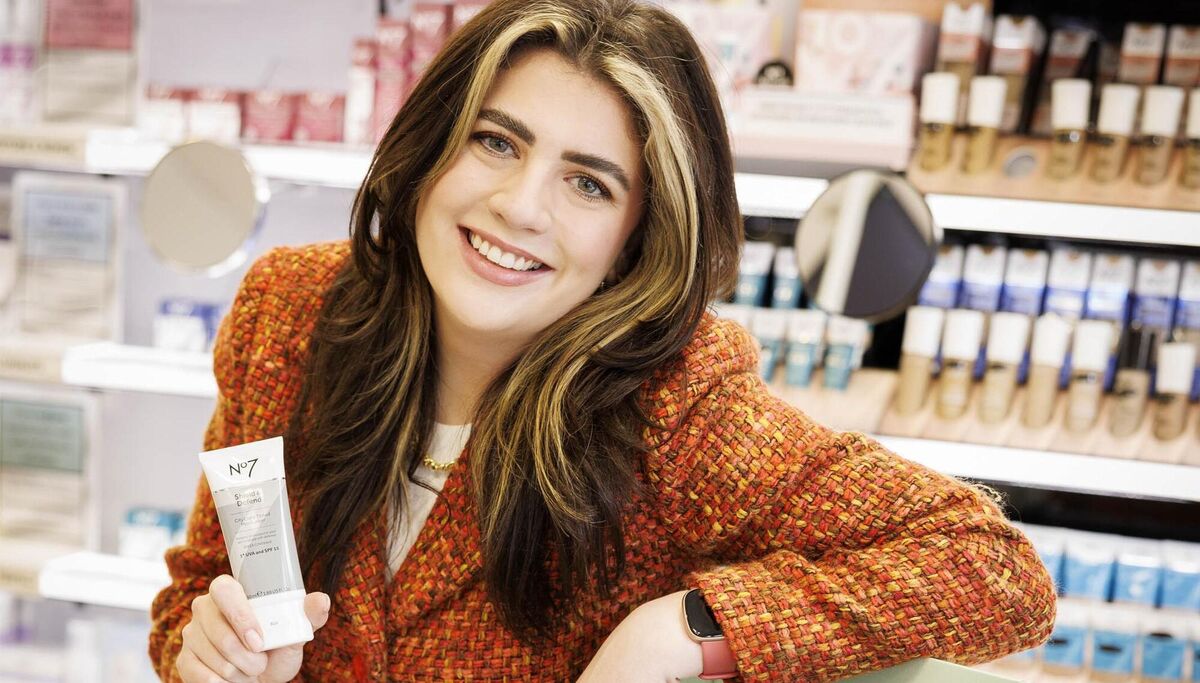
“Giving up fast fashion. It’s the best thing I ever did. I acknowledge not everyone can do that — secondhand fashion is a lot more accessible for me because I am straight-sized [a clothing size not considered ‘plus size’]. If you can’t give it up completely, I’d say challenge yourself to do it for a month, six months... you’ll be surprised how easy it can be.”
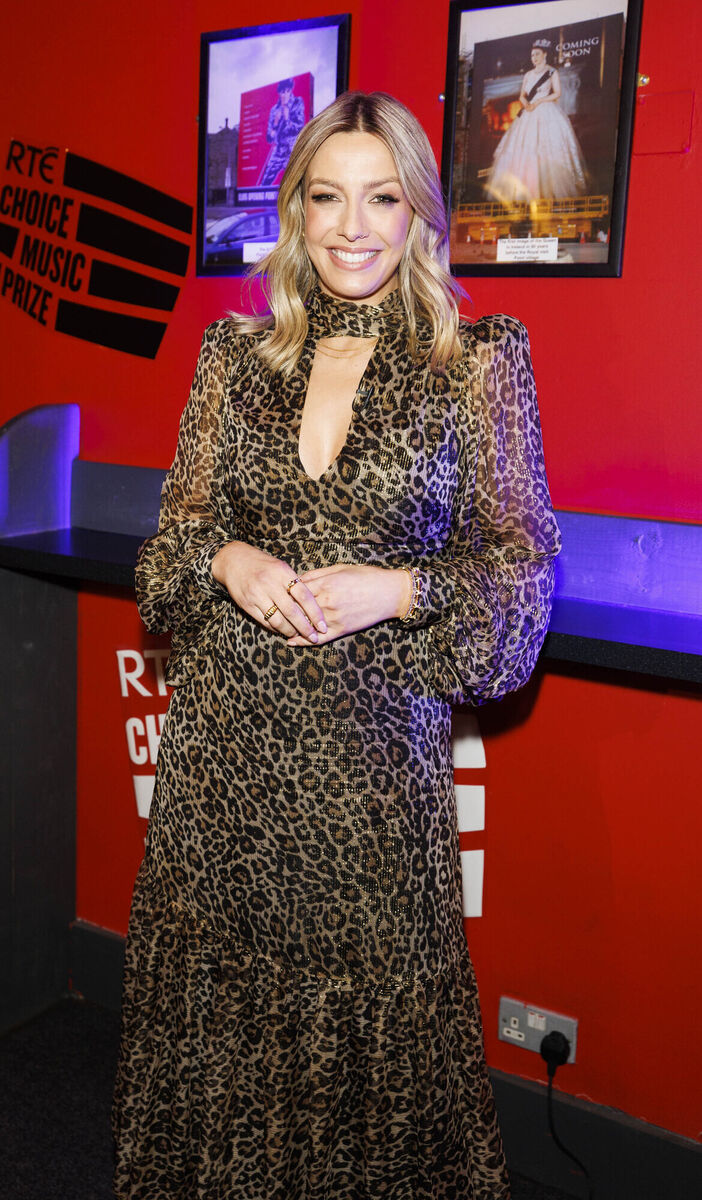
“When renovating the house, I got it insulated properly. That’s brilliant, because the heat actually stays in the house when I do put on the heating. And I recycle everything that I can.”
“I stopped buying anything new unless I cannot get it preloved. This includes clothes, toys, household items. I check adverts, preloved clothing stores such as LovelyThings.ie for kids, and I keep an eye on my local Facebook Freecycle group.”

CONNECT WITH US TODAY



Be the first to know the latest news and updates