Irish Teacher: The removal of one word from the constitution would make education better
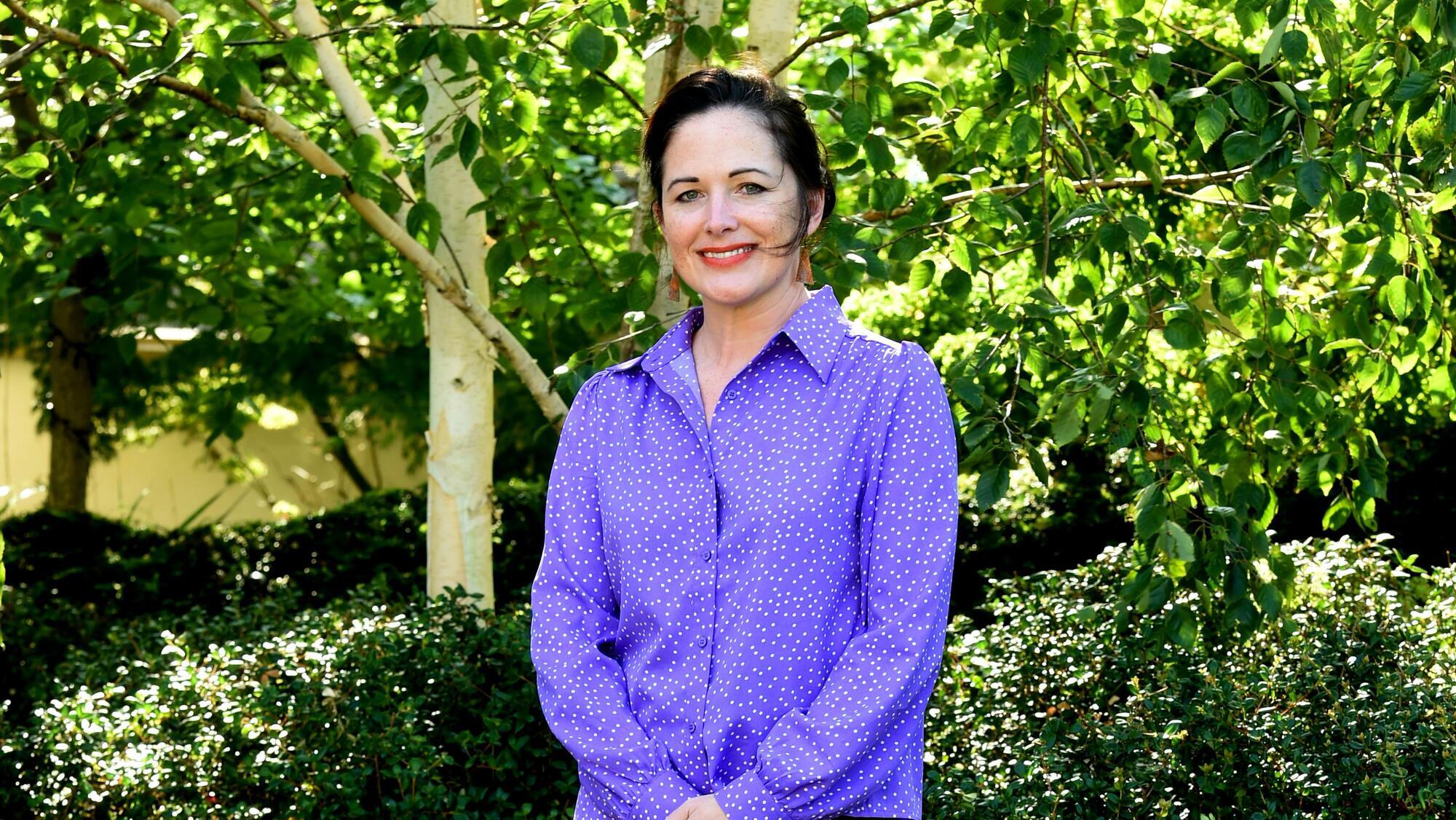
Jennifer Horgan: daring to imagine a better future for Irish schools and their young charges. Pic: Larry Cummins
On this day, April 7th 2040, education in Ireland is changed utterly.
For some, it is terrible. Following a bitterly fought referendum, one word has been removed from our constitution. A further line has been amended.
The little word is 'for'.
The Irish State, since its inception, has been required to provide for education.
This single, mighty little word has kept our State at a distance, behind two far-reaching arms – parents on one side, the Catholic church on the other.
In this new dawn, the State will directly provide education to all children equally. Today, parents who have fought for adequate provision in a system determined by the protection of other people’s choice, breathe a sigh of relief. There are no more complicating factors between their child and their right to education.
The second amendment passed today has caused far more controversy over the course of this campaign. Parents in Ireland are now the primary educator of their child in the home. Beyond this, the State is tasked with the job of educating every child without discrimination.
This has been a long time coming. From the first emergence of religious extremism some twenty years ago, to the deepening divide between the wealthy and the poor, the need to weaken the grip of parent control in Irish education has been clear.
The Children’s referendum of 2012 heralded an end to the absolute power of parents over their children. Although ignored for some years after, it is finally recognised that children are individual rights holders and therefore, in accordance with international human rights law, deserving of access to objective education beyond their parents’ faith.
Norma Foley, who held the Minister of Education post in the earlier part of the Twenties did a lot to unravel the position of the State in education.
The removal of children is no longer legal.
In keeping with the rest of our constitution, the religious development of a child is now a parent’s responsibility. It has no place in State schools.
Because the State is now directly charged with providing education, not ‘for’ education, children who are unsuited to mainstream schooling will finally receive the help they need. The State will adequately fund alternative settings and online provisions. This is welcomed by thousands of young people who have become ghosts in our system.
The plans for new State schools are ongoing but certain decisions have already been made. Without the damaging centrality of parent choice, there will be no acceptance of ‘academic schools.’ All children will be welcomed based on proximity.
Sporting facilities will be shared between school communities. Competition between schools will be discouraged as, in essence, this will entail the State competing with itself. No more league tables!, say Ireland’s leading newspapers.
All schools will fall into line with the rest of our constitution. All children will be cherished equally. No child will be turned away for being the wrong gender. All teachers and students will have freedom of religion and expression in State schools. Private secondary education will receive zero State funding.
The situation for home-schooling parents and independent or privately funded schools is as of yet, unclear. Certainly there will be more stringent assessments and more regular visits from educational experts.
All education will return to the Department of Education. Túsla will no longer oversee these alternative settings. Again, it will be the constitutional duty of the State to provide education directly, not the role of the parent or the church.
Reactions to the news are mixed. Some parents say they will apply to live in the United States, where their personal rights as parents are upheld. These parents seem undeterred by the rise of gun violence in American schools, a deadly consequence of an adult’s right to bear arms. They call the changes dystopian and fear excessive State control.
For many, this is a time of great celebration. Services and facilities for autistic children are set to improve with immediate effect. Supporters of the referendum look to countries in Europe where education has always been run by the State, in order to maintain social cohesion and to provide an equal provision for all children. They celebrate the re-balancing of duties and rights.
One spokesperson for the Yes side of the debate had this to say: “Ireland has historically been a great little country for powerful parents. Finally, it’s going to be a great little country for all children.”
CONNECT WITH US TODAY



Be the first to know the latest news and updates