Pete the Vet: The taxpayer gives €20m every year to an activity most people have no interest in
We should stop the subsidy of greyhound racing
Pete the Vet: The taxpayer gives €20m every year to an activity most people have no interest in

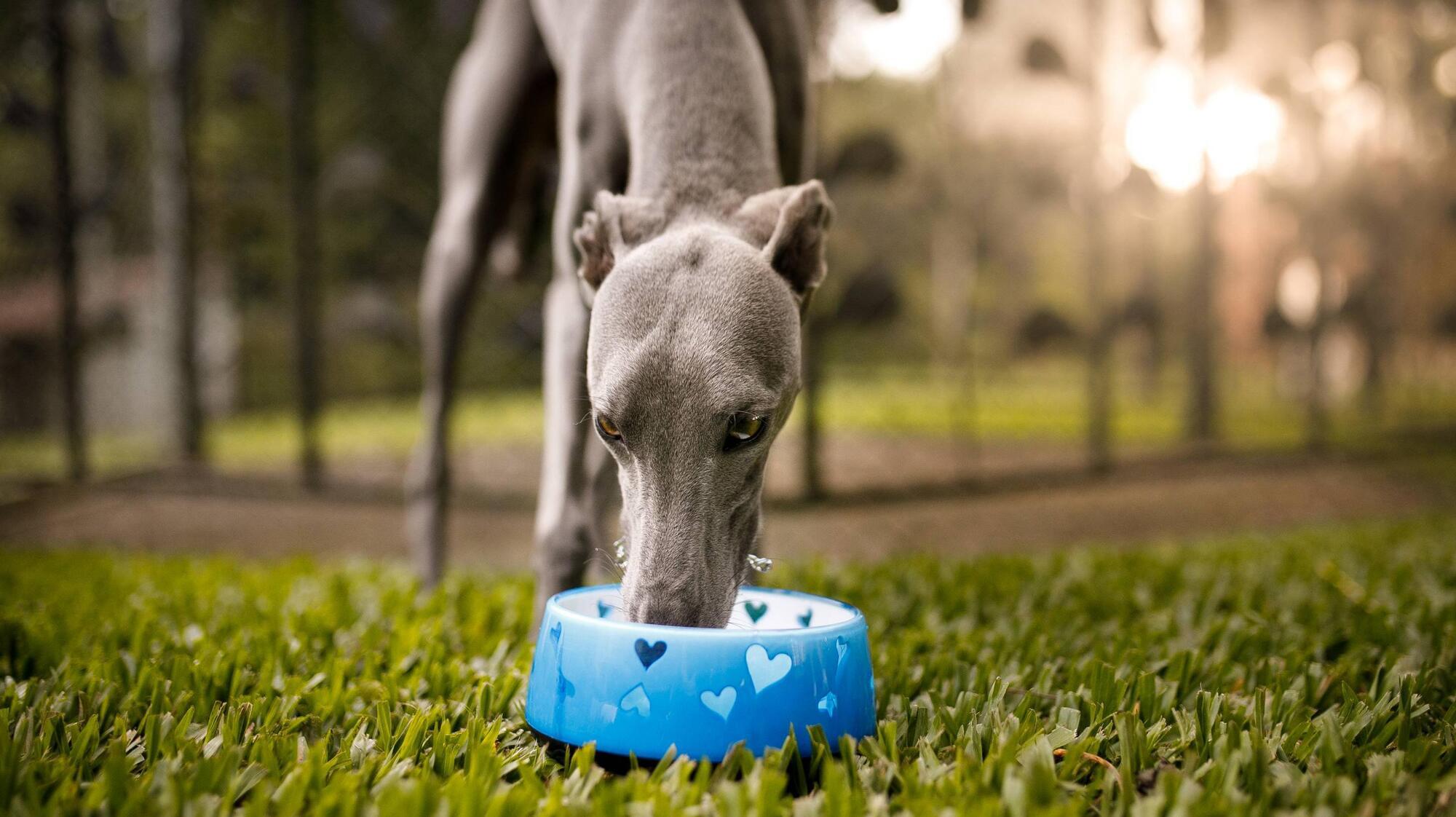
Pete the Vet: Whippet dog drinking water.
Every January I find myself motivated to review progress — or lack of it — in the challenge of making Ireland a better place for animals. I was 30 years old in 1992, I am 60 now, and I will be 90 in 30 years’ time. What changes have I seen, what needs to be done now, and what is still to come?

What has been achieved in the past thirty years?

1) A massive reduction in the number of unwanted dogs being destroyed

In the early 1990s, up to 30,000 dogs were euthanased every year in Ireland’s dog pounds, for no other reason than that they were surplus to requirements. 

The latest figures, published last year, showed that in 2021, fewer than 200 dogs were euthanased. This is an astonishing improvement and an achievement that everyone working in the animal rescue sector should be proud of. 

It’s still a challenge to maintain this low level of dog destruction, and campaigns to encourage spay/neuter, and to appeal to new dog owners to “adopt, not shop” for new pets, are as important as ever.

2) The new Animal Health and Welfare Act 2013

This legislation put Ireland at the top of the global pile for laws to protect animals. 

Before this, people had no obligation to actively care for animals; they would only be punished if they actively caused pain to pets, horses, or farm animals. 

Under the new law, those with animals under their care are obliged to care properly for those creatures, ensuring that they are kept free of pain, discomfort, hunger, thirst, as well as insisting that they are given the opportunity to express behaviours that are natural to their species. 

This was a huge step forwards, even though the law is still not properly and fully enforced in many situations.

3) Compulsory microchipping of all dogs

Since 2016, all puppies must be permanently identified with an implanted microchip before they leave the premises where they were born. 

Again, this is not fully enforced, but the idea is that this means that there is a proven chain of connection between dog breeders, dog owners, and the animals themselves. 

This enforces a new level of responsibility on the humans engaged with dogs, which has a positive impact on encouraging people to care better for their pets.

What needs to be done right now?

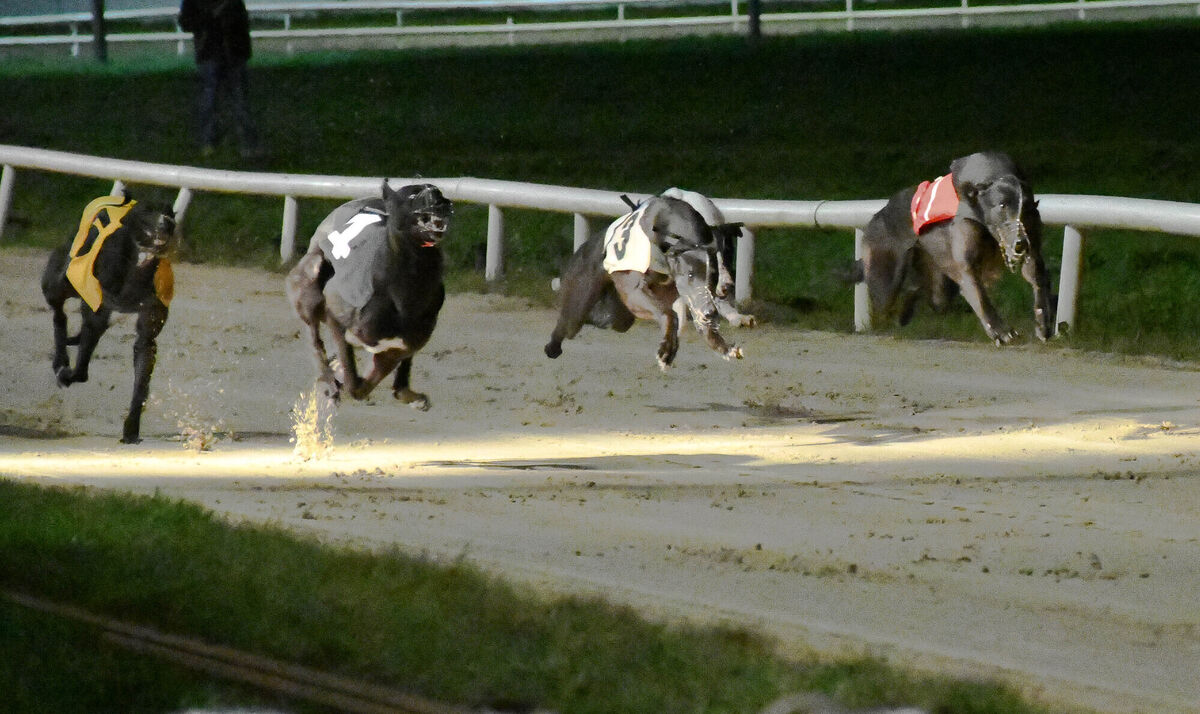
An outdated law dictates that greyhound racing receives a massive 25% of the funding given to horse racing, regardless of how much this is.

The following steps could easily be taken immediately, with consequent benefits for animals.

1) Enforcement of existing animal laws

Ireland has excellent animal welfare laws, but the lack of rigorous enforcement means animals continue to suffer. 

From dogs that have their behavioural needs neglected (eg left howling in backyards on their own) to pigs that have their tails cut off to stop them from biting each other’s tails out of boredom, to the thousands of people who refuse to buy dog licences, there’s a multitude of negative happenings that should be prevented. 

The Government should fund the employment of a dozen new ISPCA inspectors whose job is, simply, to ensure that the current laws are properly obeyed.

2) Fusion of dog licence and dog microchip databases

There are two separate databases that are both meant to include all the dogs in Ireland: one for all the microchipped dogs, and one for all the dog licences.

The microchip database is managed by the Department of Agriculture, while the dog licences are under the remit of local authorities. It’s inefficient nonsense that the two databases do not “talk” to each other.

A simple ministerial decision should be enough to create one overarching list of all the dogs in the country, in one place. 

This would make it easier to ensure proper funding of the dog warden service (from dog licence fees) which would enable better supervision of dog welfare across the country.

3) Ending the Government subsidy of greyhound racing

An outdated law dictates that greyhound racing receives a massive 25% of the funding given to horse racing, regardless of how much this is. 

As a result, the taxpayer gives nearly €20m every year to an activity that most people have no interest in. Greyhound owners should be allowed to engage in their sport, as long as they adhere to high standards (just as dog agility is a popular and successful sport). 

But why should it not stand on its own meritswith its own financing?
As for the next 30 years, here’s my wish list.

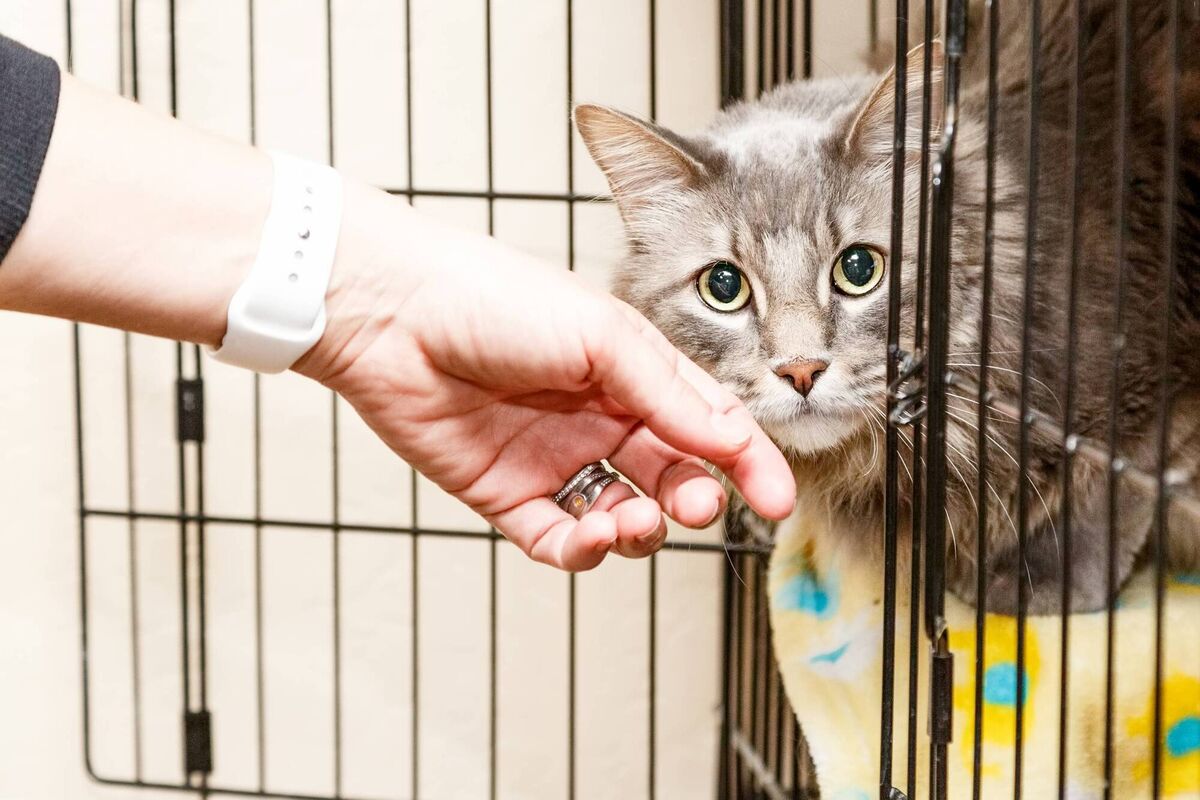
There are many dog rescue centres in Ireland, with some facilities operating at global best-of-type standards. But there’s nothing comparable for cats, which are often seen as second-class pets.

1) A national cat rescue centre

There are many dog rescue centres in Ireland, with some operating at global best-of-type standards. But there’s nothing comparable for cats, which are often seen as second-class pets. A new, top-of-the-range, cat rescue centre would hugely improve cat welfare in this country.

2) Subsidised veterinary care for the financially challenged

While some charities operate low-cost vet clinics, these are not accessible geographically to most people. Other countries have nationwide systems to help pets belonging to those who cannot afford vet costs.

3) Cessation of live exports 

It makes no sense to subject livestock to long journeys by land and sea, only to be slaughtered at their destination (where EU animal protection laws may not apply). 

It’s true price competition must be enabled to allow farmers to be as well paid as possible for their produce, but there must be a way to enable this while still allowing animals to end their lives after reasonably short journeys.

Perhaps, by the time I am 90, these aspirations will have become reality.

More in this section

Lifestyle

Newsletter

The best food, health, entertainment and lifestyle content from the Irish Examiner, direct to your inbox.

Cookie Policy Privacy Policy Brand Safety FAQ Help Contact Us Terms and Conditions

© Examiner Echo Group Limited