Rich gets down on one knee to propose despite his spinal injury
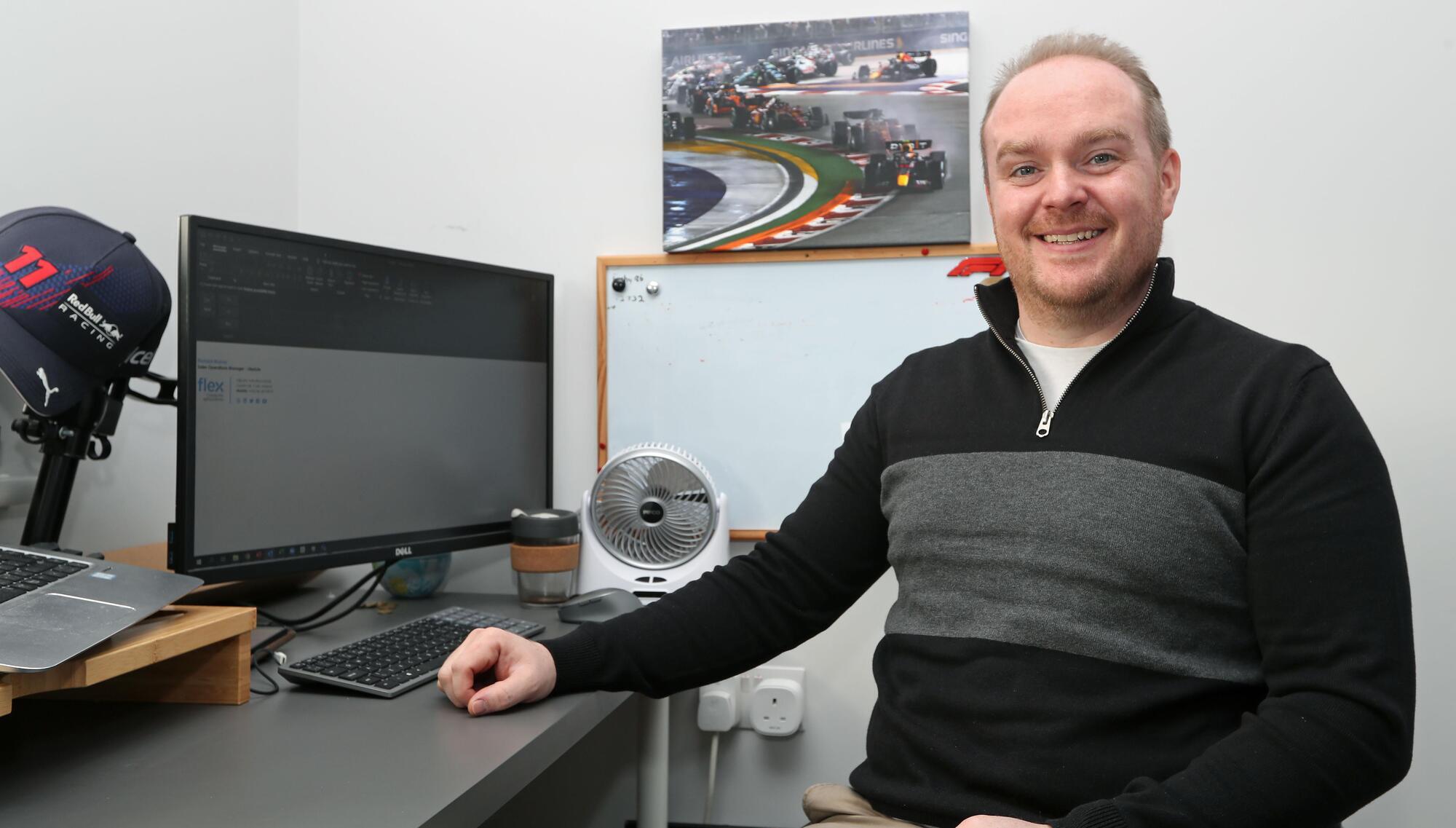
Richard Murray, says the physio team at CUH helped him achieve his goals following a spinal injury; pictured at his home in Glanmire, Cork. Pictures: Jim Coughlan
It’s testament to Richard Murray’s resilience after an accident that left him in a wheelchair that the 36-year-old was preoccupied with his determination to get down on one knee to propose to his girlfriend.
“Before I had my accident I had been intending to propose and considering the consequences of the accident, getting down on one knee seemed to be impossible. I revealed the ambition to Brid O’Donoghue (a CUH physiotherapist) and she and the team started working with me to find a solution,” Rich said.
When Rich moved from CUH to the NRH (National Rehabilitation Hospital) in Dublin, he continued practicing with the physiotherapy team there who were excited about the challenge.
“It meant the physios knew about the proposal idea even before friends and family, such was my trust in them. It may seem like an easy thing to do but it took a lot of work to do it safely. I finally managed to master getting down on one knee and when I proposed to Gráinne in August, she was shocked to see me in that position. It was a special moment for both of us.”
In 2021, Richard and his friends were on a short holiday on the River Shannon. This boat trip is something they used to do every year. On the first day, they tied the boat up for the night. Richard was sitting on a wall – and he fell backwards from it. He immediately knew something was wrong. His friends called an ambulance and he was taken to hospital in Limerick. After he stabilised, he was taken to the Mater Hospital in Dublin for spinal fusion surgery. He had lost all motor control below the fracture, midway down his spine.
“Initially, every movement I was doing was supported by the staff at the Mater where I stayed for a week. I then got back to Cork and spent about three months in CUH while I waited for a place at the NRH,” said Rich.
At CUH, the physiotherapy team taught him how to use a transfer board so that he could go between the bed and the wheelchair. “It was tricky at first but it’s second nature to me now.”
While being confined to a wheelchair has major challenges, Richard looks for the positive in every situation. He considers himself lucky to have been able to work remotely at his job in a manufacturing company, at first in hospital and then from home.
He says he received a lot of psychological support “from day one in hospital. Luckily, I think I’m a fairly positive guy. That helps and I had fantastic support from my family and most important of all, from Gráinne. As soon as she heard about my accident, she went to Dublin. She has been my rock. What happened was devastating really. I’ve been able to stay above water mentally. The physiotherapists in CUH are great. I was in a ward at first but once a slot opened up in the gym there, I was down there five days a week.”
Under the dedicated care of Brid, five days a week for two-and-a-half months, Richard made good progress. “I can’t thank Brid enough. I can’t overstate the value of physiotherapy. It got me going.”
As Richard points out, it’s only when he lost the use of his legs that he became aware of just how much work the lower limbs normally do. “They do everything, supporting you and doing weight transfers even while you’re in bed.”
The physiotherapy team “did everything to keep my limbs flexible. The main problem in my situation is spasticity. In my case, I was lucky that my legs aren’t stiff. I can move them very freely in and out of the wheelchair. I can get into bed, onto a couch and into a car and loads of things like that. The physiotherapists made me understand that when all of a sudden, your legs aren’t doing any work, your arms do it all — and you’re at risk of actually injuring your arms, your shoulders and your elbows. If you injure your arms, you’re in real trouble. You literally can’t move at all.
“The physiotherapists taught me the importance of even a technique like moving your head. Your body goes where your head goes. If you’re going to move from a bed to a chair, what you do with your head is very important. You kind of get your weight moving and that takes some of the pressure off your arms.”
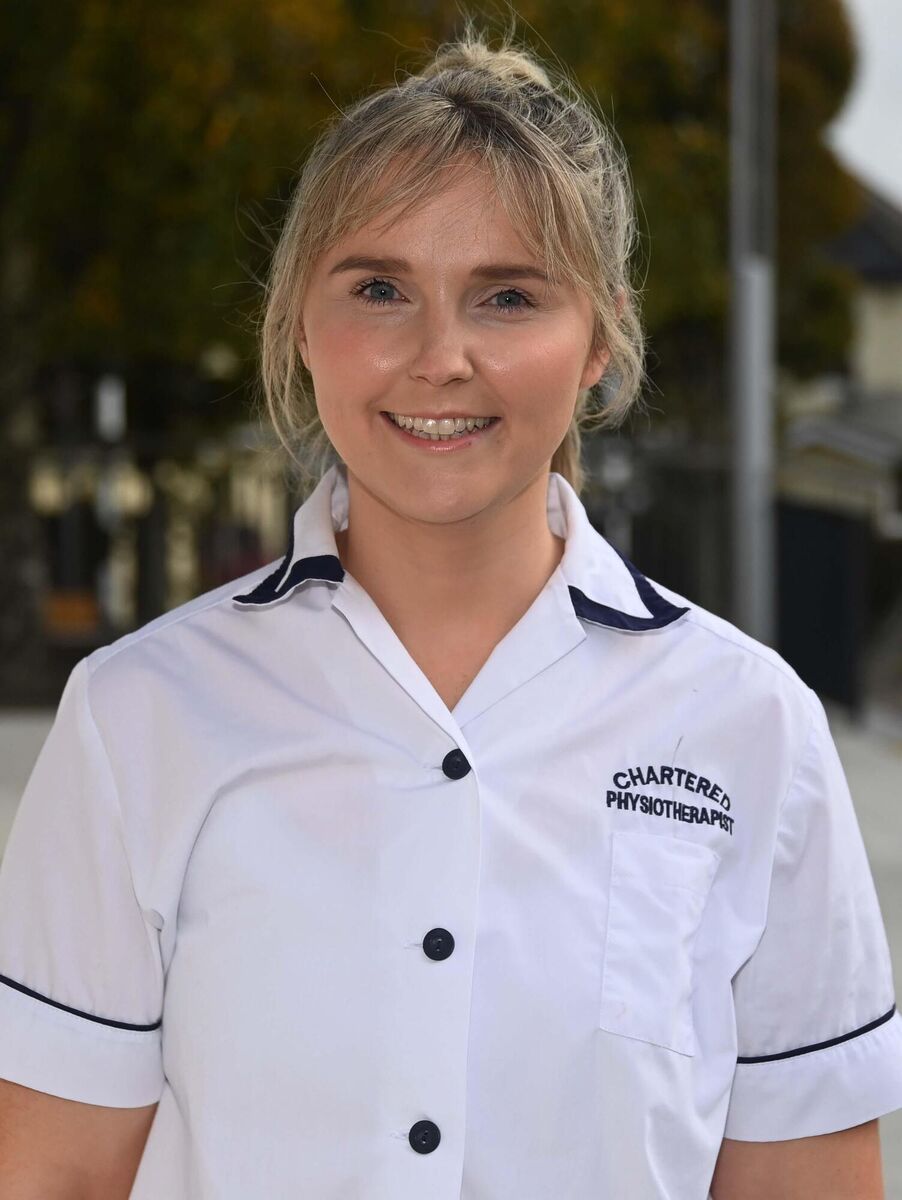
With 50% of Richard’s body not doing the work it used to do, the other 50% has to compensate. “That was drilled into me. I’m in the long game. I’m not waiting for recovery. I have to look after my arms and upper body for life. Thanks to the physiotherapists, I’m able to do movements automatically that I physically couldn’t do at the start. My body didn’t know how to move after the accident. Brid and the team gave me a great basis for the NRH. I had a great rapport with the team. I almost count them as friends for life. They were so instrumental in getting me going.”
Richard says his bowel movements have been compromised “but if the injury had been a bit higher on my spine, the bowels would have been compromised more.”
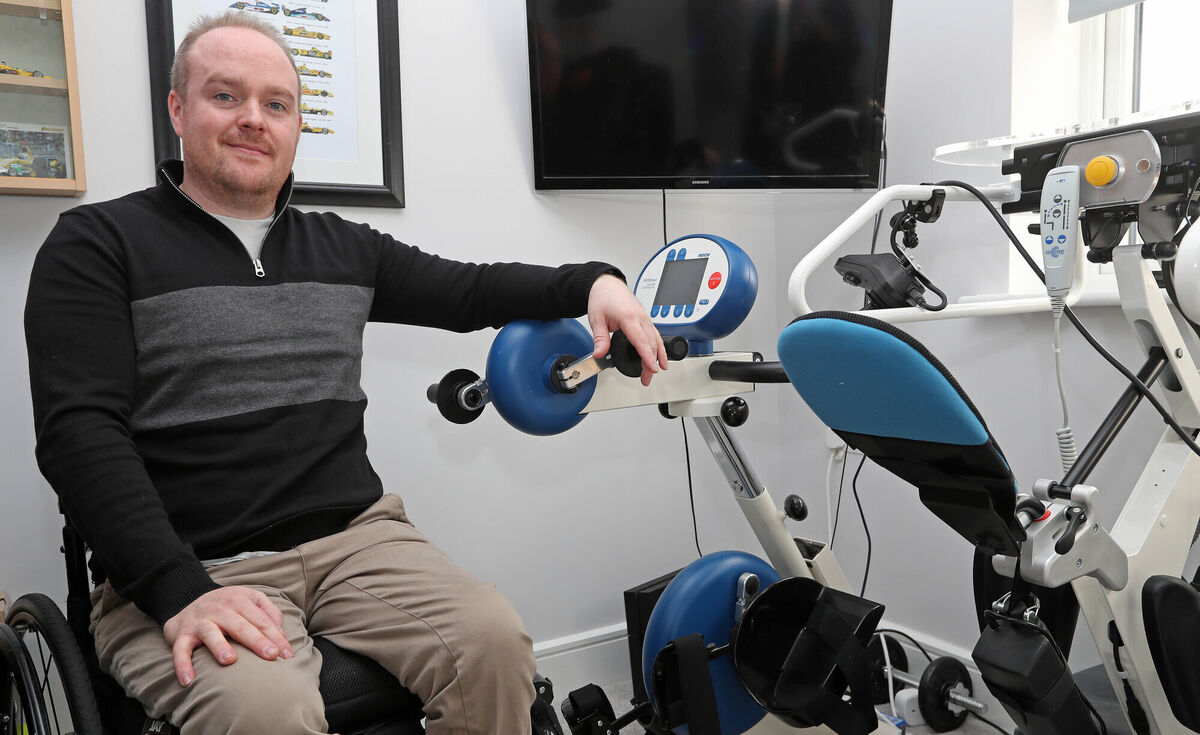
An essential piece of equipment that Richard has the use of at home is a standing frame.
“It allows me to stand. It’s all about weight bearing. It helps me to move around as well. I was always fairly handy and was able to mount a TV on a wall recently because thanks to the standing frame, I was able to reach it.”
While his confidence was knocked after the accident, Richard is grateful for the support he received, both from the physiotherapists and from his family, Gráinne’s family and Gráinne herself.
“Gráinne never looked at me differently even though the accident was just as devastating for her. She sees me for me. That’s the thing you notice when you’re in a wheelchair. You’re kind of set apart from the world you’re interacting in. People are jumping out of your way. But people around me know that I’m still myself. That allowed me to get back to life. Now I have the confidence to go out and do my own thing.”
Richard and Gráinne’s new house in Glanmire has been adapted to make everything accessible to wheelchair use.
“The door frames have been widened. There is room for a through-floor lift, like an elevation shaft in a commercial building. It goes from the kitchen up to my bedroom. The architects made all this happen.”
Richard has learned how to drive a hand-controlled car. He will soon be returning to the office. And the wedding plans are underway. Richard and Gráinne are getting married next year at the Castlemartyr Resort Hotel. “We went to a couple of spots to gauge their accessibility. Castlemartyr ticked a lot of boxes.”
The happy couple are dealing with the situation in as positive a way as possible, thanks to lots of care and professional as well as personal support.
To donate, click: www.cuhcharity.ie/donate/
CONNECT WITH US TODAY



Be the first to know the latest news and updates