Packs, tribes, and brotherhoods: The importance of male friendships

'Most times even when the future seems insurmountably bleak, all that’s needed is a sympathetic ear to allow you express your anxiety or frustrations.'
“When men find a comfortable style of clothes – jeans and a t-shirt – they live in that for the rest of their lives. I think it might be the same where friends are concerned. You find somebody that fits you and you stick with that person for the rest of your life.”
Chris Keating, 59, grew up in Blackpool in Cork, building makeshift dams and swimming holes with eight of his best friends, including his brother. All the boys had nicknames: Chris was Teasey, the ultimate messer of the gang and Cooksey was called after Cookie Monster on account of him devouring Marietta biscuit sandwiches with lashing of butter.
Thinking back on his friendships, Chris realizes now how lucky he was to have such a solid group of loyal comrades that he could spend hours on end with.
“Back in the ‘70s, there was only one channel on TV. You were expected to get out of the house at 10 o'clock – you wouldn’t get back until six o'clock in the evening. We used to live in fields and rivers, make our way out to Blarney and beyond. When we read Tom Sawyer, that could have been a blueprint for our lives.”
A love of music, adventure, and reading bound Chris and his friends together. In their late teens, early 20s, they religiously went to the Arcadia, the Northside dance hall across from Kent train station where bands like The Cure, U2, and Microdisney played before reaching international fame.
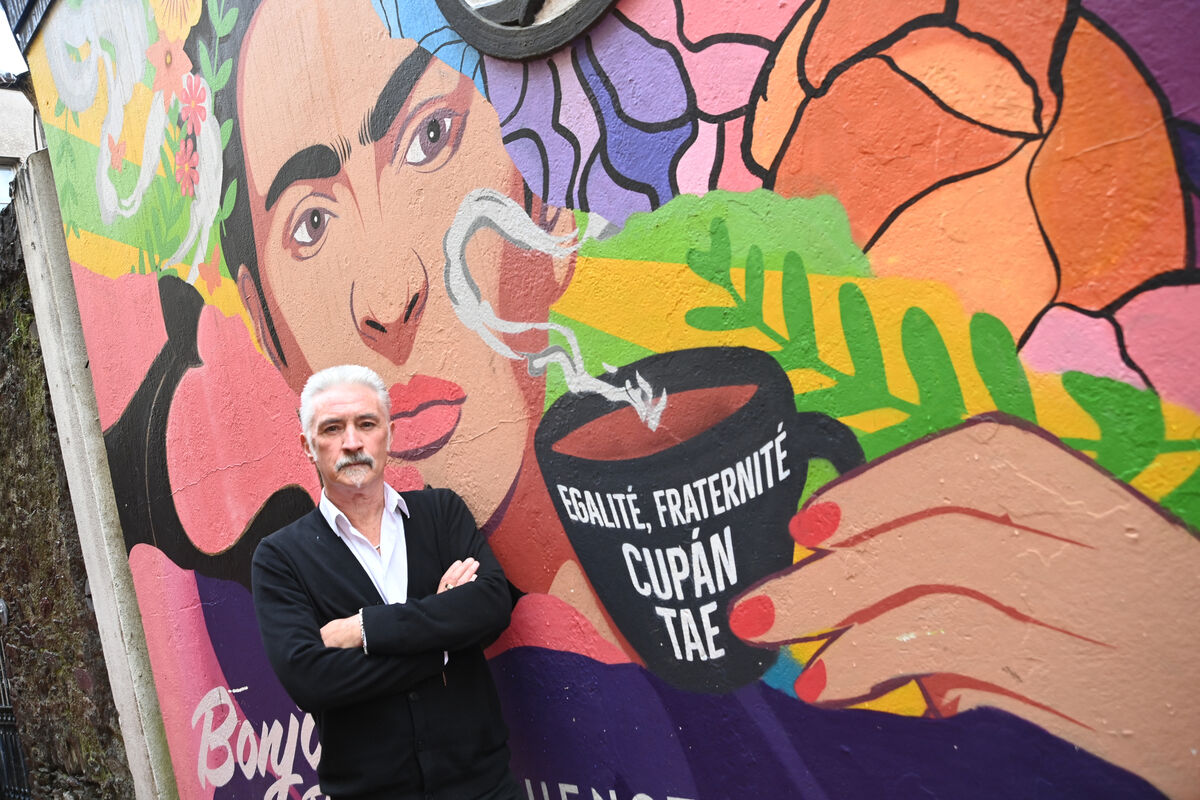
The group had diverse interests and personalities but the one thing they all had in common was their love for a good laugh. As the years went on and the men worked through issues like marital breakdowns, substance abuse, and the death of their good friend Deccie, their friendships developed and strengthened.
“We've been together since we were 8 years of age. It's beyond friendship now, these are my brothers.”
When Declan Newman, a local sign writer in Skibbereen and an integral part of the friendship group passed away, they realized how much he had connected them all. Another friend Liam suggested creating a WhatsApp group and the now men keep in touch via the app as well as bumping into each other for “crafty pints” around Cork on the regular.
Three of the men are working on a comic strip together. The lead character is a robot named Deccie after their late friend.
The friend group has its own way of communicating with each other, says Chris. When his first marriage broke up, his friend Liam McKahey of CosteauX wrote a song that helped to snap him out of a downward spiral of depression and self-pity.
“I was full of anger and resentment, feeling tortured and victimized. What did he do only write a song about me?” Chris laughs as he didn’t exactly relish the opportunity to confront his feelings at the time but when he was ready to face him demons, the song actually moved him and he still likes it to this day.
As the men have moved around the world, they seem to share a symbiotic connection with each other, says Chris, and often can sense when the other is about to ring. He feels very lucky to have had such enduring friendships.
“When men find a comfortable style of clothes – jeans and a t-shirt – they live in that for the rest of their lives. I think it might be the same where friends are concerned. You find somebody that fits you and you stick with that person for the rest of your life.”
An important part of friendship for men and boys is finding a friend that “gets you”, says Kevin O’Sullivan, (talktokev.com) an integrative psychotherapist, nurse, and life coach for children and adults.
Adolescent boys and men often struggle to resolve conflict and regulate emotions in their day to day lives, says Kevin who sees a lot of teenage boys with undiagnosed autism or Asperger’s Syndrome. Once they get that diagnosis, it’s a lot easier for them to find ways of communicating effectively, he says and maintain friendships whilst disagreeing on issues both big and small.
Emotional literacy in male-to-male friendships can suffer if there isn’t an example set by the parents, says Kevin. Often, the only safe space for men and boys to release emotion is on the sports field, leading to outbursts of aggression that may seem disproportionate to events transpiring in the game.
He mentions the fictional character of Connell Waldron, the protagonist of Sally Rooney’s Normal People, who was a star player on the GAA pitch but an “emotional wreck” on the inside.
Mental health advocate and writer Daragh Fleming, 28, (thoughtstoobig.ie) and Irish senior basketball player Adrian O’Sullivan, 29 have been close friends since the age of 14. When they were 17, their mutual friend Erbie died by suicide and their shared trauma brought them closer together.
“In the first instance, we were a support system for each other,” says Daragh, “making sure we were getting through the grief as best we could.”
Overnight, their relationship went from “boys being boys” where conversations revolved around “alcohol, sport, and girls” to something much, much deeper, says Adrian. He recognised that Daragh had “his own troubles” with mental health and since he wasn’t in the same school, he regularly checked in over the phone and in person.
“There was never a day where it didn’t feel right for me to talk about it with him. I always wanted to know more about what was going on in his life. I was making phone calls or texting people and asking how they were and I kind of got the ball rolling.”
Adrian remembers Daragh turning to him at one point and saying; “I’m not ok, this is really hard” and asking him “what are we going to do?”
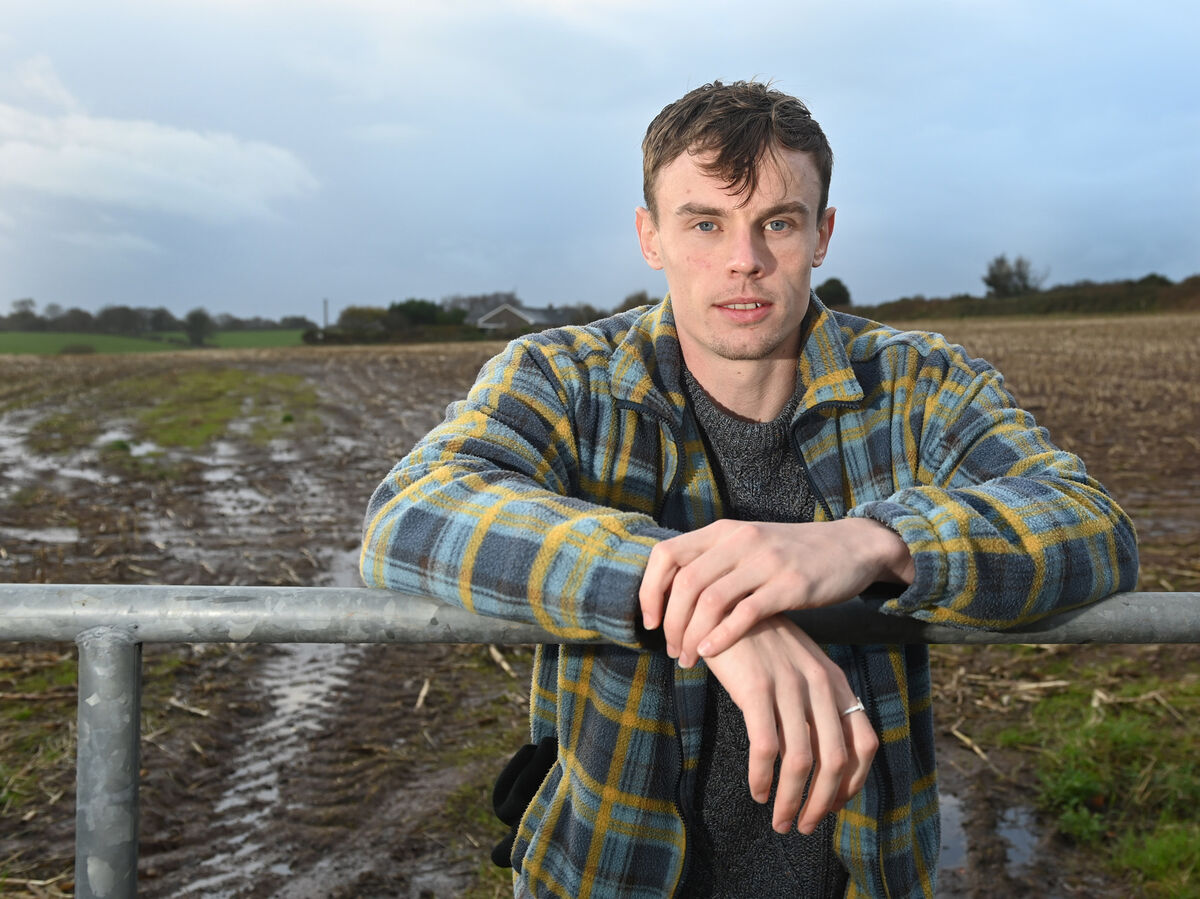
Their friendship felt like a judgement-free zone and even though Adrian didn’t have all the answers, the fact that he listened to Darah talk it out and “get stuff off his chest” was cathartic. Adrian felt that he could rely on Daragh to be there for him too.
“We leaned on one another. If there was something wrong, it always helped to talk about it with. And Daragh was a really good listener.” What’s important is that they [Adrian and his other friends] were just giving me the space to say it,” says Daragh. They were listening and I could vent.”
The heaviest loads became a lot lighter when shared with his friends, according to Daragh. Any restrictive parameters of masculinity that had held them back felt utterly redundant after Erbie’s death.
“It’s not that you want to be fixed – that’s an unrealistic expectation. It’s saying I’m feeling anxious or depressed and just knowing that there's someone there you can talk to.”
Adrian was in a co-educational school and believes that being surrounded by girls and women was a positive influence and helped him access his “sensitive side.”
“Men have been conditioned to be a certain way for generations,” says Daragh. "In every generation, you're going to get a pocket of people who can flip the switch pretty quickly, but to get every man on board, it doesn't happen overnight.”
Cork writer and documentarian Cónal Creedon believes that friendships are vital to his own personal sense of wellbeing. He feels that there is as much value in having acquaintances as much as deep friendships.
“I get just as much support from acquaintances, that Greek Chorus of friends who wish me well without the need of profoundly deep emotional engagement. Most times even when the future seems insurmountably bleak, all that’s needed is a sympathetic ear to allow you express your anxiety or frustrations.”
Encouragement from friends is what keeps him going in the eye of the storm.
“I genuinely don’t have a sense of masculine norm or male expectation. Friendships are universal, and they flounder on lack of discretion and unrealistic expectations. When the world comes crumbling down around my ears, I turn to people.”

CONNECT WITH US TODAY



Be the first to know the latest news and updates