'This is indirect discrimination against children with disabilities.' Cutbacks in developmental checks show system flaws
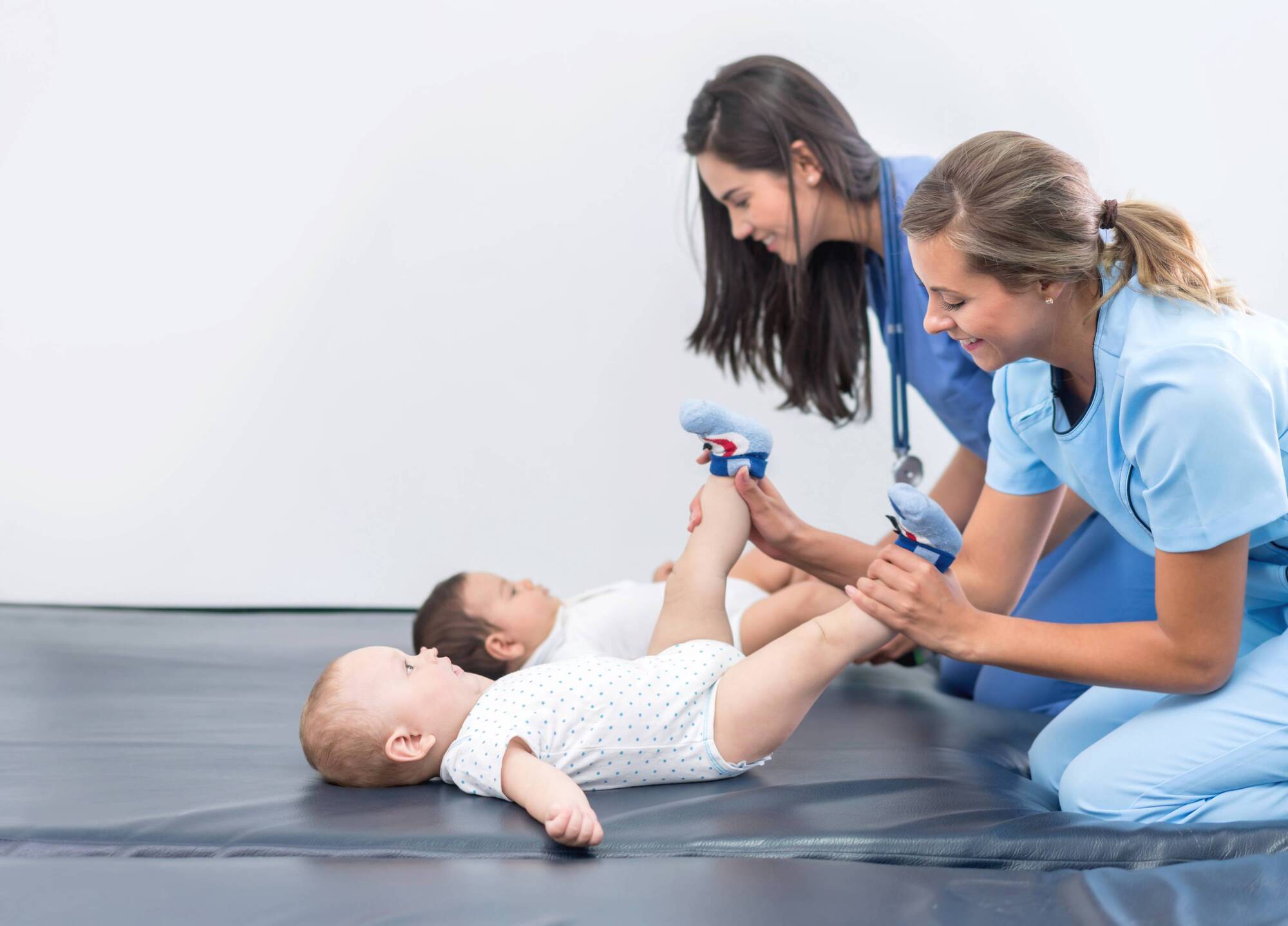
The government's latest cuts will affect children with disabilities disproportionately and could potentially delay essential diagnoses.
Leah, pregnant with her second child, knows the importance of early intervention.
“If it hadn’t been for my son’s developmental checks, there is no way I would have known there was something wrong. I was a young mum in my twenties. None of my friends had babies. As far as I was concerned, he was flying it.”
Leah’s first child is now fourteen. His dyspraxia was spotted at a developmental check when he was two. As far as Leah is concerned, that check removed barriers that would have locked him out of the school curriculum.
“We gave him the attention he needed. We started the interventions at creche. We got help from a physiotherapist and an occupational therapist and now he’s doing well.”
With her second child, she’s lucky to live in Cork where developmental checks are unaffected by cutbacks unlike in other parts of the country. If anything changes, she will go private, but she recognises that not everyone can do so.
“This is indirect discrimination against children with disabilities. Our most vulnerable children are already on lengthy waiting lists and now we’re denying them a fighting chance. There is no way for parents to pick up on the less obvious signs of a condition. Early intervention is also drilled into government policies.”
As of the end of June, there are 101,000 children on some form of National Treatment Purchase Fund (NTPF) waiting list. As Leah rightly points out, cuts to developmental checks are at odds with the government’s First 5 strategy published by Katherine Zappone which states that “early intervention and prevention are optimal, as well as being the most economical way to help children and families, reducing long-term dependency on a range of State services."
According to the HSE website, the first five years of a child’s life “lays down the foundations for learning, health and behaviour throughout their life".
The lottery element of the cuts upsets Sara, a teacher living in Bray. She is a member of numerous mother/baby WhatsApp groups and regularly hears about checks other babies receive around the country.
“My babies are the only ones not getting them. Bray is a densely populated urban area and yet there’s a hugely inadequate public health provision. My first daughter is now three and hasn’t been seen since she was 8 months old. My second daughter got her 5-day check, and the nurse returned a week later to ensure that her weight had gone up. Since then, we have had one check over the phone at three months.”
Like Leah, she understands the importance of the checks.
“As a teacher, you’re always looking out for signs. Public Health Nurses do the same. This is not just about medical checks, it’s about child welfare. How much is being missed in certain parts of the country?
Sandra Ní Dhubhda is a teacher and co-author of the INTO course on supporting children with adverse childhood experiences. (alongside Dr Jane Mulcahy and principal of North Presentation Primary School in Cork, Nickie Egan) She identifies Ireland as an outlier when it comes to supporting families and spotting needs early.
“In Finland, checks are carried out up to the age of 6 and every school has a doctor and nurse on site to spot early signs of need. In Spain, there is a paediatrician-led service which includes screening up to the age of 15 and it is free of charge. In France, they have specialist paediatric healthcare centres to which children can be referred to up to the age of six.”
She predicts further pressure being placed on schools: “This decision will result in more children arriving in Junior Infants with undiagnosed issues and schools inadequately resourced for the tsunami of need.”
Dr Elizabeth Barrett, Associate Professor UCD and IHCA (Irish Hospital Consultants Association) Consultant Committee member argues that if we don’t invest in early lives, the problems don’t go away, they get bigger.
“Early intervention services have of course start-up costs, whether they are for physical illness, mental health, or developmental issues. But they save stress for families, early intervention helps people meet their potential, and for the health service they save money in the long term”. She highlights the multifactorial opportunities that developmental checks provide. “These checks are opportunities to monitor growth and development, nutrition, mobility, social interaction, and learning. We have one of the lowest rates of breastfeeding in the world; so early checks also support mothers in breastfeeding. They support families in distress or with concerns in a timely way, and link families up with various support services.”
For Dr Barrett, the numbers don’t add up.
“We can almost predict the population needs of many kinds of developmental issues from what is known already. It’s roughly between 10-15% of the population who will have some sort of need, whether with physical development, speech needs or other kinds of developmental concerns. But it feels like the support for these early interventions is lagging behind the curve. There is a constant mismatch of availability in the system, versus the needs on the ground… and so the waiting lists get longer and longer. We must continue to invest in developmental checks and of course in the various pathways to wider intervention services from many different professionals and services involved in early intervention and care”.
In a letter announcing the cutbacks to families, the HSE directs concerned parents to their GP.
Dr Mike Thompson, a GP in Midleton, Cork, argues that this is beyond the remit and indeed the contract of any GP in the country.
“Ten per cent of the Irish population doesn’t even have access to a GP. A developmental check doesn’t take five minutes. It is a thorough 40-minute examination. Public Health nurses do an incredibly important job. They are fantastic and come to every check with a wealth of experience. They are vital in terms of community care, looking after babies and also mothers. It’s impossible for that to happen through the GP service. It’s also impossible for an average parent to know what an experienced public health nurse knows.”
Dr Thompson bemoans the HSE’s tendency to see GPs as a kind of catch-all service.
“We can’t be the default setting. We simply don’t have the capacity to catch everyone in the net. Screening and education must be delivered through the community health network.
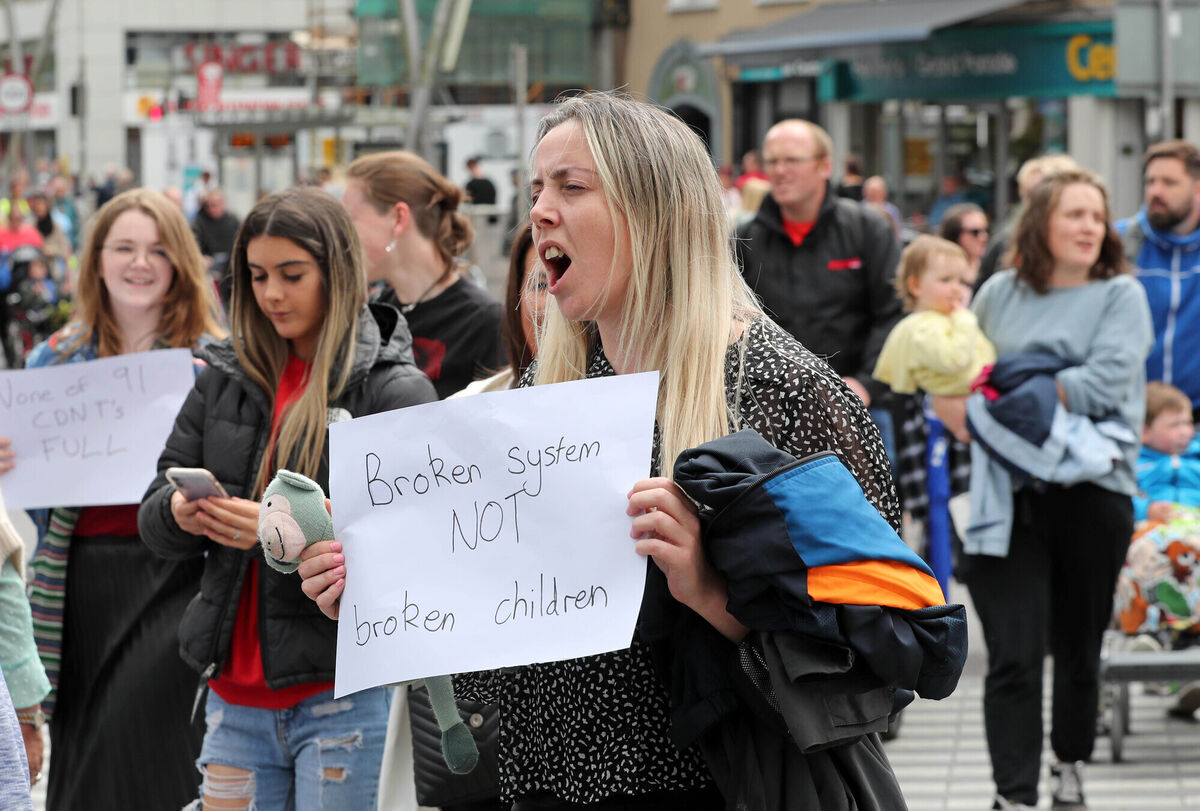
A spokesperson for the HSE explains that the cancellation of checks is due to "retirement, internal movement and challenges in replacing staff".
Ireland also has the lowest number of medical specialists per 1,000 population in Europe. In radiology, the number of specialists is even lower at 40% below the EU average on a population basis. According to HSE data, one in five consultant posts in Ireland are vacant or filled on a temporary basis. Those working in the sector point to poor working conditions, excessive administration, and inadequate pay as push factors.
Dr Barrett highlights burnout among staff.
“When you’re working with distressed families and you simply can’t give them what they need, as the resources aren’t there, it’s extremely distressing for staff. We need a robust strategy to deliver what children need and deserve.”
According to the HSE, student Public Health Nurses will be allocated to affected areas in the coming months.
CONNECT WITH US TODAY



Be the first to know the latest news and updates