My fourteen-year-old terrier, Maisie, used to sleep all night, but now she wakes at 6am and barks until we let her out. Sheâs deaf, so she doesnât respond to us calling her anymore, nor does she obey our commands like she used to (she canât hear us). She doesnât want to go for walks, and sometimes she just stands in the middle of the room, staring at the ground for no reason. Is this just old age, or could there be something wrong with her?
â Mary, Carlow
The most likely reason for these changes is a condition called Canine Cognitive Disorder, more commonly known as Doggy Dementia or Dog Alzheimerâs. Just like elderly people, many older dogs suffer changes in their brains, with plaques forming that disrupt normal nerve cell function. There are many signs, but they all come down to dogs not being their ânormal selvesâ.
Itâs worth taking her to your vet to get her checked out for other conditions that could cause similar signs, and there are some treatments that may help to slow the progress of dementia. These include diets with special ingredients (e.g. antioxidants, oils and fatty acids) or dietary supplements to give with her standard diet, and also some drugs which may increase the blood flow to the brain.
As with humans, it can also help to do brain exercises. Dogs canât do crossword puzzles, but they can do the doggy equivalent: regular exercise, social engagements with people and other animals, play with new and interesting toys, and even regular training of simple commands can help (perhaps using hand signals rather than your voice to work around her deafness).
It is difficult as dogs get closer to the end of their lives, and it can be an emotional time for everyone. The charity Dogs Trust is currently running a campaign about the importance of dogs in our lives: see dogstrust.ie/whats-happening/notjustadog
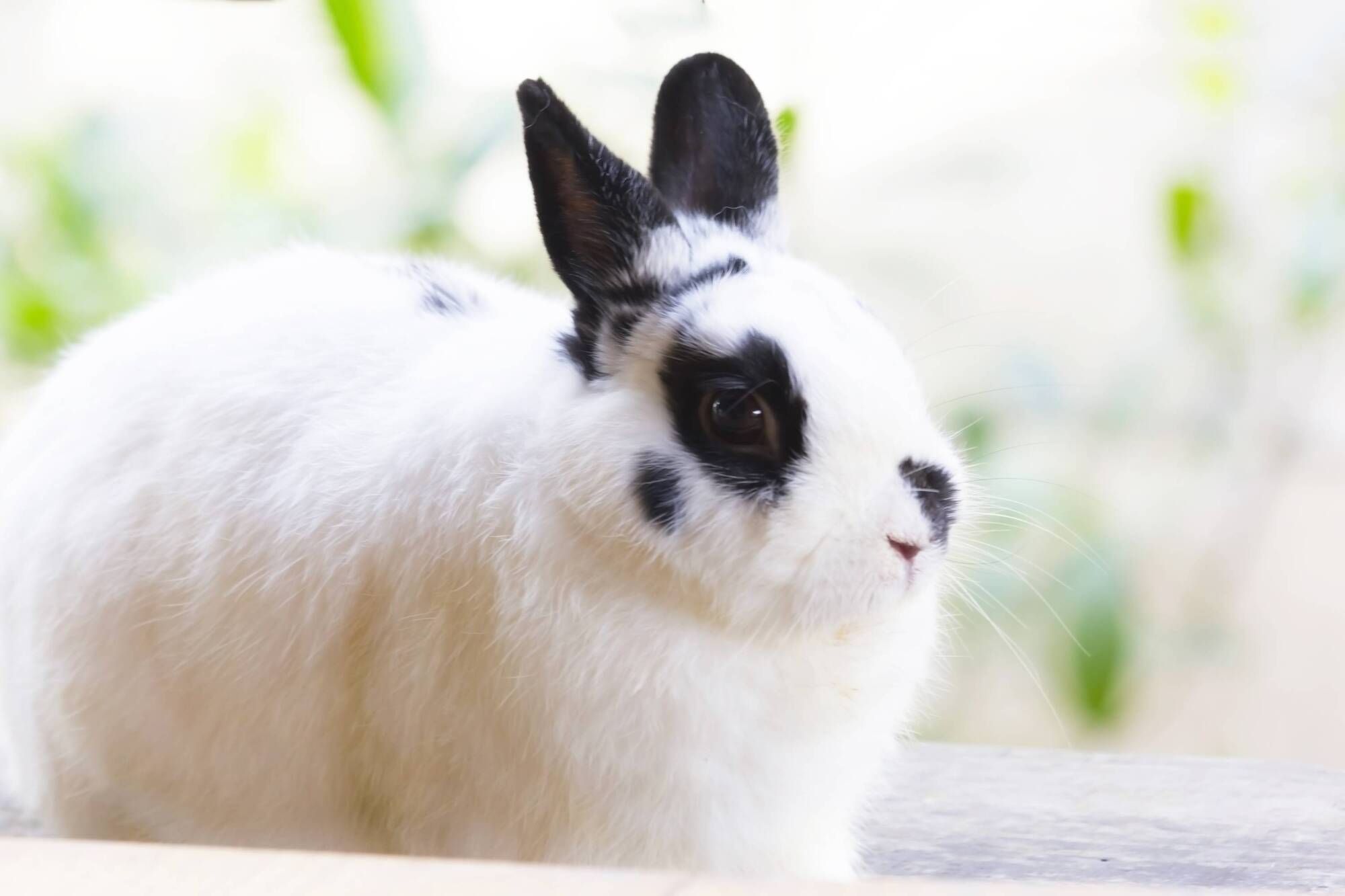
I was shocked to be told by my vet that they would not spay my female rabbit, Posh, as she is too fat! I have only ever given her the standard rabbit mix and some hay, and to me, she just looks comfortable and curvy. I got my male rabbit, Becks, castrated instead so at least we wonât be overrun by babies, but Iâm worried about how best to help Posh slim down. Do you have any tips?
â Bernie, Bandon
Obesity is common in all pets, including rabbits. The spaying operation (an ovariohysterectomy, with the ovaries and womb being removed) is a major procedure, and when rabbits are obese, the surgery can be almost impossible, as the abdominal fat obscures the delicate structures that need to be removed. It makes sense to slim Posh down before having the operation, but it is still an important procedure to get done: rabbits have a high rate of cancer of the uterus if they are not spayed.
As with other animals (and indeed humans) the key to weight loss is the double whammy of less food and more exercise. The typical rabbit mix is far too dense in energy and other nutrients, and many rabbits thrive on nothing more than grass or hay for most of the year (as wild rabbits do).
Talk to your vet about details of an optimal diet for her, and try to get her to be more active, playing games, running around the garden, and generally engaging with you in active ways. A monthly weigh-in at your vet will make sure that you can monitor her progress effectively.
Every summer, my five-year-old cat Tibs gets little scabs on top of his head, and he itches at them. I go to the vet, who gives him an injection. Tibs gets better, and then it comes back a month later, and he needs another injection. Two injections seem to be enough every summer, and then he is fine from September right through to July. Why does it happen and can we do anything else about it?
â James, Mullingar
This sounds like military dermatitis, which is a common type of seasonal allergic skin disease in cats. There are many possible causes, including fleas (any cat with this problem should be given regular monthly flea control to make sure that there are no parasites lurking). When the condition has a distinct summer pattern like this, the most likely cause is a plant or pollen allergy, although itâs very difficult to identify this precisely. For many cats, the simplest answer is occasional long-lasting injections of anti-inflammatory steroids, like Tibs has been given.Â
You should discuss alternative approaches with your vet: these include using anti-inflammatory tablets instead of injections, and also nutritional supplements such as essential fatty acids which may reduce the sensitivity of the skin to allergic reactions.
My two-year-old Cockapoo Sammi is so terrified of the vet that he tries to bite him whenever he gets too close. How can I teach him that the vet is his friend?
â Kathy, Westport
In these post-lockdown times, many young adult dogs are full of fear: they arenât used to meeting people and animals. When a stranger like a vet goes right in and tries to man-handle a nervous dog, itâs a natural reaction for them to snap out of terror.
The answer is to take your dog for regular social visits to the vet, chat to the receptionist, offer treats and ask the vet to give Sammi a passing pat on the head. Once he starts to see the vet clinic as a fun place to visit, he will be far less likely to feel fearful.

Subscribe to access all of the Irish Examiner.
Try unlimited access from only âŹ1.50 a week
Already a subscriber? Sign in
CONNECT WITH US TODAY
Be the first to know the latest news and updates